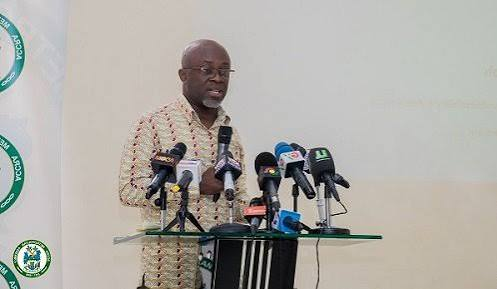
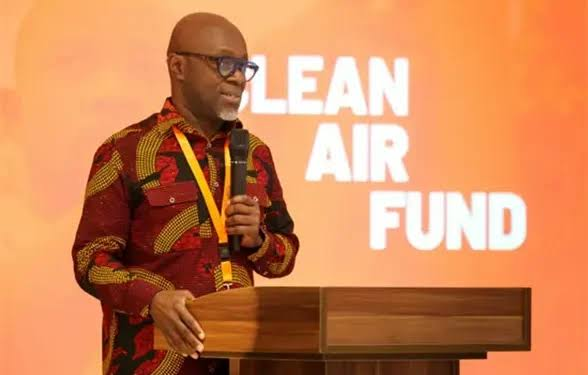
Ghana loses an estimated US$1.9 billion annually to ambient air pollution, Country Lead for the Clean Air Fund, Desmond Appiah has disclosed, urging the government to make cleaner air a stronger component of its public health response.
Mr Appiah believes the MahamaCares programme should extend beyond treating non-communicable diseases (NCDs) to address environmental conditions that contribute to illness, particularly exposure to polluted air. He argued that reducing pollution would tackle underlying health risks while easing pressure on healthcare services and the wider economy.
“UNDP has done work which we supported and established that Ghana loses about $1.9 billion a year to ambient air pollution,”
Country Lead for the Clean Air Fund, Desmond Appiah
Mr Appiah maintained that MahamaCares presents an opportunity to connect healthcare interventions with measures that prevent diseases from developing.

Although the programme supports the treatment of NCDs, he argued that its broader public health objectives should also consider environmental factors that expose people to health risks.
Mahamacares Urged to Address Environmental Health Risks
According to him, air pollution should not be treated exclusively as an environmental issue because its consequences extend into public health and the cost of delivering healthcare.
He urged policymakers to recognise the relationship between polluted air and the development of several health conditions, incorporating preventive interventions into the country’s response to NCDs.
Mr Appiah called on the government to allocate resources under MahamaCares to interventions addressing the root causes of illness. Such investment, he explained, could reduce exposure to harmful environmental conditions instead of concentrating attention only on treating people after they become sick.
The Clean Air Fund Country Lead stressed that considering environmental risks would give Ghana a broader response to the factors contributing to NCDs.
Air Pollution Carries Significant Economic Cost
Mr Appiah cited research conducted by the United Nations Development Programme (UNDP), with support from the Clean Air Fund, to demonstrate the financial consequences of ambient air pollution in Ghana.
The estimated annual loss of US$1.9 billion, he argued, highlights the scale of the challenge and the need for stronger government attention to cleaner air. It also presents pollution as an economic concern with implications beyond environmental regulation.
By drawing attention to the financial burden, Mr Appiah sought to make the case for investment in interventions that limit pollution and reduce its associated health consequences.
He maintained that the government should consider the cost of inaction alongside the resources required to improve air quality. Preventing exposure to polluted air, in his view, should form part of a broader effort to reduce conditions that contribute to illness.
The economic impact reinforces the importance of treating clean air as a public health and development priority rather than a separate environmental matter.
Clean Air Fund Backs Evidence and Advocacy
Mr Appiah disclosed that the Clean Air Fund was supporting efforts to strengthen the evidence and advocacy needed to advance effective air pollution control in Ghana.
He explained that the organisation’s support was intended to strengthen the case for action through research and evidence about the effects of polluted air.
“That is why we are supporting all these kinds of work to make the case stronger,”
Country Lead for the Clean Air Fund, Desmond Appiah
He called for sustained investment in cleaner air, stressing that reducing pollution could lower the health risks associated with exposure while easing the economic burden on the country.
His appeal places air quality within the wider conversation about preventing NCDs and strengthening Ghana’s public health response. Rather than separating environmental protection from healthcare planning, he wants government to consider how both areas can reinforce each other.
Cleaner Air as Part of Ghana’s Public Health Response
Mr Appiah argued that investment in cleaner air would complement medical care by addressing environmental risks before they translate into greater demand for health services.
He maintained that cleaner air should be recognised as an essential part of Ghana’s broader public health strategy, with resources directed towards addressing pollution and its contribution to preventable illness.
He maintained that addressing pollution alongside treatment would allow health planning to respond to the consequences and contributing conditions of disease.
He urged government to view cleaner air as an investment in prevention, arguing that environmental action and healthcare support should work together rather than operate as separate priorities.
READ MORE: Ghana Unveils National Framework for Migrant Protection and Reintegration