United Nations High Commissioner for Refugees (UNHCR) has launched its 2027 Global Appeal, seeking US$7.137 billion to respond to humanitarian emergencies, protect forcibly displaced and stateless people, and help millions move towards lasting solutions amid worsening funding constraints.
The appeal outlines the agency’s priorities for the coming year, including emergency assistance, access to protection, shelter, healthcare and support for refugees seeking to rebuild their lives.
It comes ahead of UNHCR’s annual Pledging Conference in Geneva on 1 December, where governments and other partners are expected to make funding commitments for 2027.
UNHCR has warned that its ability to deliver essential services will depend on early and reliable contributions from donors, particularly as the previous year’s appeal remained substantially underfunded.
According to UNHCR, “the world’s refugees continue to be hosted by low- and middle-income countries and communities that need international support.”
Appeal Prioritizes Emergency Assistance
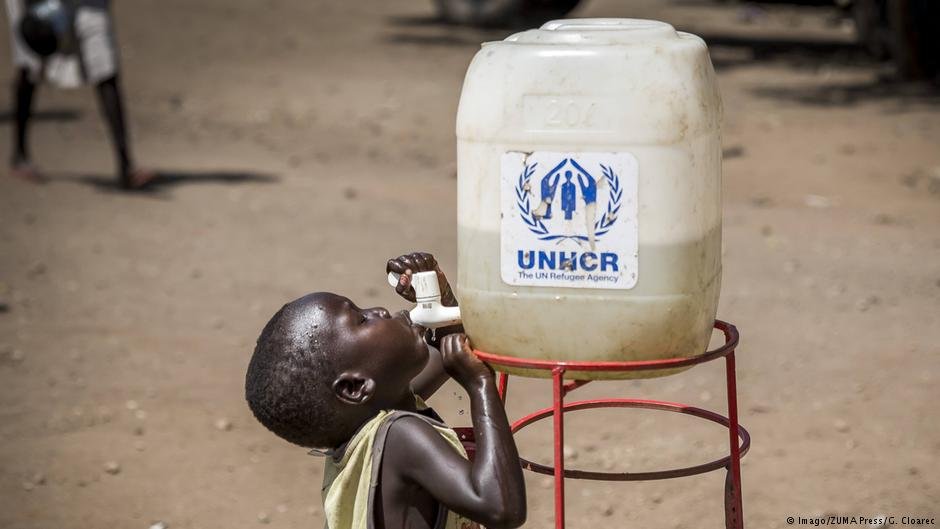
Of the US$7.137 billion sought for 2027, more than US$2.5 billion is earmarked for emergency response and life-saving assistance, making it the largest allocation in the proposed budget.
The funding would support essential services such as shelter, healthcare, water, sanitation and hygiene for people displaced by conflict, violence and persecution.
UNHCR explained that the allocation reflects the need to respond quickly when crises erupt and ensure displaced families can access basic necessities.
The agency also plans to provide protection services to 13.6 million refugees and asylum-seekers and 6.7 million internally displaced people. Financial assistance is expected to reach 3.9 million refugees and two million internally displaced people, while shelter and housing support is planned for 1.8 million refugees and 850,000 internally displaced people.
Moreover, nearly US$1.9 billion, representing about 26% of the appeal, is allocated to protection activities. These include supporting access to asylum, strengthening national asylum systems, registration and documentation, legal aid, and efforts to prevent and resolve statelessness.
UNHCR added that its 2027 plan focuses on the most urgent needs and aims to make effective use of available resources through stronger partnerships.
The scale of the funding challenge is evident in the 2026 appeal, which targeted US$8.5 billion but had received only US$2.9 billion by the time the new appeal was announced.
Funding Cuts Leave Women and Girls at Risk
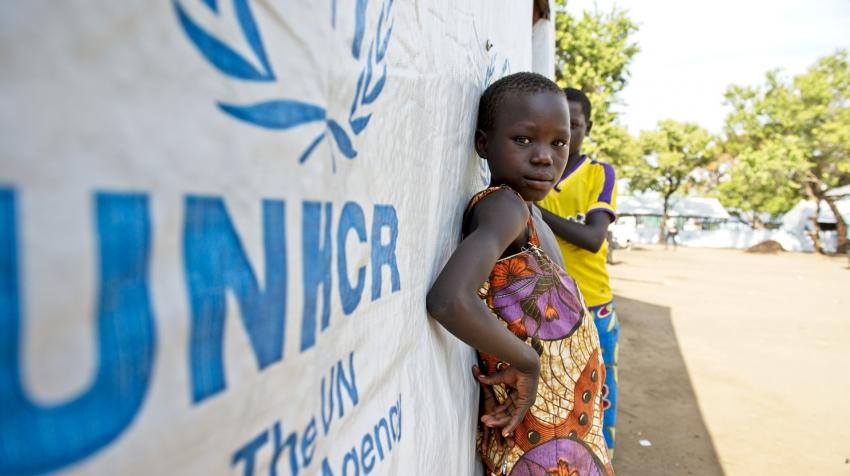
The funding crisis is already affecting specialized protection services, particularly programmes supporting refugee and stateless women and girls exposed to gender-based violence.
UNHCR reported that 171 of its supported safe spaces for women and girls closed last year, leaving 203 still operating. These facilities provide survivors with access to specialized support, medical and legal referrals, and services needed to recover from violence and abuse.
The agency’s gender-based violence programmes were less than one-third funded in 2025, leaving 5.6 million forcibly displaced and stateless people without life-saving prevention and response services.
Ms Wosornu, UNHCR Assistant High Commissioner for Protection, revealed that “Gender-based violence is one of the most pervasive human rights violations.”
“Nearly one in three women globally has experienced some physical and sexual violence. More than 60 million forcibly displaced and stateless women and girls face heightened risks. So, these funding cuts are slashing the very services that are needed to support them. We must not mistake silence for safety.”
Ms Wosornu, UNHCR Assistant High Commissioner for Protection
Despite severe underfunding, UNHCR’s specialized gender-based violence programmes reached 2.2 million people in 77 countries during 2025 and the first half of 2026.
However, 63% of UNHCR operations reported delays in survivors accessing specialized case management because of staffing reductions among partner organizations.
Agency Seeks Lasting Solutions for Displacement
In addition to providing emergency relief and protection, UNHCR aims to maintain funding for durable solutions for refugees who have spent years dependent on humanitarian support.
Nearly US$1.4 billion has been allocated to solutions under the 2027 appeal, supporting the agency’s 50 by 35 vision of halving the number of refugees in protracted displacement who rely on humanitarian assistance by 2035.
The proposed budget includes a 14% increase in support for voluntary return and reintegration, alongside a 13% expansion in assistance for local integration.
These measures are intended to help refugees rebuild their lives through sustainable pathways, where conditions allow.
UNHCR stressed that the need for international solidarity remains critical, as three-quarters of the world’s refugees are hosted by low- and middle-income countries.
READ ALSO: Inherited Debts and Economic Shocks Squeeze Government Spending – Seth Terkper