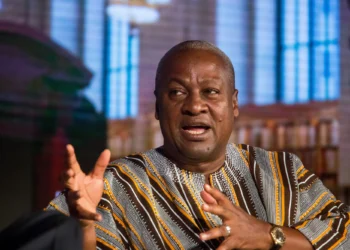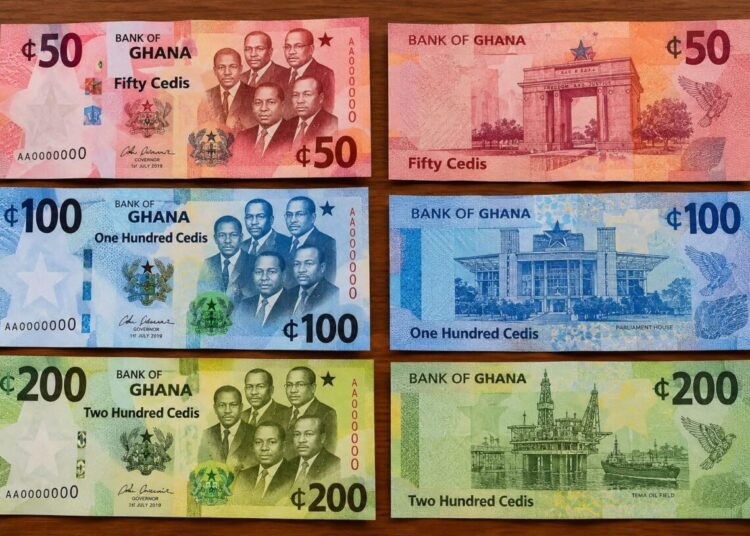
The Member of Parliament for Sagnarigu and member of Parliament’s Finance Committee, Honourable Issah Atta has condemned the imaging errors on Ghana’s newly introduced cedi notes as “unpardonable.”
In an interview on the controversy surrounding the new banknotes, the legislator questioned how the errors survived a two-year design and approval process involving currency specialists and the Bank of Ghana’s Board, arguing that the final product should have reflected a far more rigorous standard of scrutiny.
“Someone should have noticed this. People must have trust in the currency. People should believe in the currency. The currency we are seeing on 1st December should be able to retain value for the people.”
Honourable Issah Atta
Honourable Atta took particular issue with the Bank of Ghana’s explanation that the Heritage Series underwent extensive development, testing and approval before its final designs were authorised. He observed that the central bank’s own account of the process made the resulting mistakes difficult to excuse.

The Bank of Ghana’s statement, as recounted by the Sagnarigu MP, indicated that the designs were developed over two years beginning in 2025, with input from experienced currency specialists. The process also involved considerations of Ghanaian history and culture, security, durability, usability and accessibility, alongside tests for machine processing and public recognition.
More significantly, the final designs reportedly received approval from the Bank’s Board in accordance with the Bank of Ghana Act. For the Finance Committee member, this sequence of checks raises questions about the effectiveness of the oversight mechanisms.
He therefore challenged the notion that responsibility could be confined to a single individual, noting that the project involved several stages of review and institutional approval. The Governor and the Board, he suggested, could not simply distance themselves from the outcome.
Honourable Atta also pointed to the use of international competitive bidding, questioning why a process involving external expertise and opportunities to review printing samples failed to produce a more satisfactory result. “The final outcome should have been much better,” he pointed the gap between the elaborate process outlined by the central bank and the defects that have since attracted public criticism.
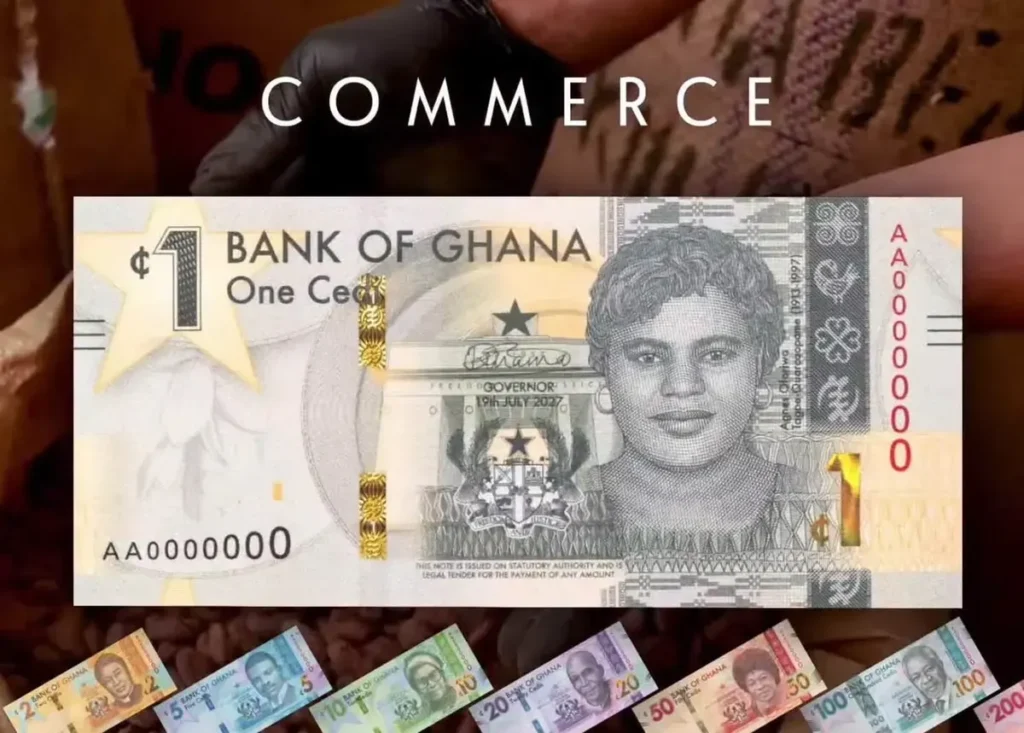
Although he acknowledged that the Bank has begun engaging families over the disputed images, the MP insisted that the controversy required an acceptance of responsibility. He also indicated that an apology would not be unwelcome, particularly given the public dissatisfaction surrounding the notes.
Sagnarigu MP Recommends Phased Corrections During Reprinting
Furthermore, the Member of Parliament for Sagnarigu and member of Parliament’s Finance Committee, Honourable Issah Atta cautioned against abandoning Ghana’s newly printed cedi notes.
The Member of Parliament for Sagnarigu Constituency argues that withdrawing already printed banknotes would impose an unnecessary financial burden on the country, particularly after substantial resources had been committed to their production.
“So for me, I think that you don’t throw the baby with the bathwater. Allow the first phase of it to go through and serve the purpose to retain the value as a medium of exchange for people and restore the dignity of people; ensure that it is used as a legal tender in transacting businesses in this country.”
Honourable Issah Atta
He urged Ghanaians to distinguish between legitimate criticism of the design defects and the broader purpose of the currency upgrade, which includes improving security features, durability and usability. The MP also welcomed the central bank’s intention to celebrate Ghanaian heritage and recognise individuals who contributed to the country’s development.

Nevertheless, he proposed a phased correction of the defects when the Bank of Ghana undertakes its next printing exercise. The existing notes, he explained, can serve their intended purpose in the interim, with the affected designs subsequently improved and the current versions gradually withdrawn.
To illustrate the feasibility of such adjustments, the Sagnarigu MP cited the five-cedi note, which he indicated had undergone three design modernisations between 2015 and 2026. He noted that, different versions circulated concurrently before earlier designs were phased out. “This can also be done to make sure it conforms to the intended purpose of the Bank of Ghana,” he advocated for a similar approach to the Heritage Series.
The Member of Parliament also called for restraint in the central bank’s public defence of the designs, suggesting that repeated attempts to justify the errors would not necessarily persuade dissatisfied citizens. He welcomed the Bank’s engagement with families connected to the images on the notes as a step towards addressing the controversy.
READ ALSO: President Mahama: Cape Coast’s Door Of No Return, Now Eternal Return