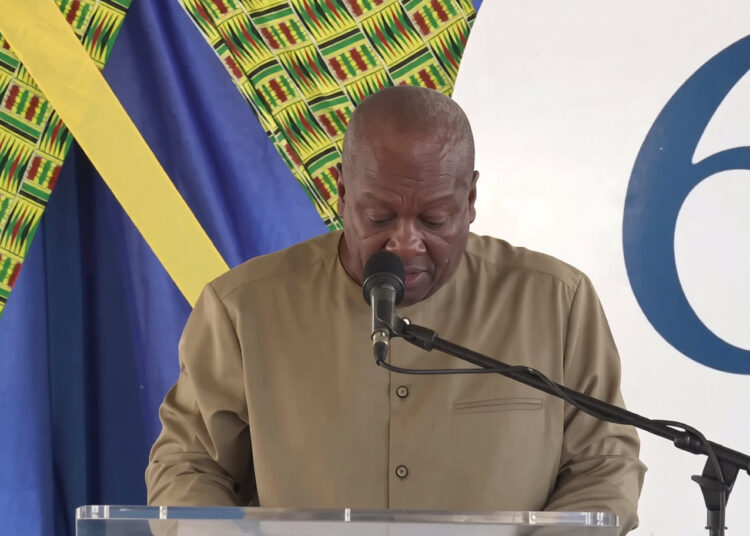
Ghana and Barbados have taken a step towards strengthening their historical and cultural ties, with the formal twinning of Cape Coast and Speightstown. The agreement, formalised during a ceremony in Speightstown, Barbados signals a renewed commitment to reconnecting communities whose histories are bound by the transatlantic slave trade.
Speaking at the ceremony, which was carried live by Barbados’ Government Information Service, President Mahama characterised the partnership as “a significant step towards reconnecting communities divided by the transatlantic slave trade, while creating opportunities for cultural exchange, historical preservation, education, tourism and community development.”
“May this agreement transform a geography once defined by separation into a lasting bridge of solidarity and partnership. May it clearly affirm that the Door of No Return has now become the Door of Eternal Return.”
His Excellency John Dramani Mahama
The President situated the agreement within the historical relationship between the two coastal communities, whose positions in the transatlantic slave trade represented opposite ends of a deeply painful chapter in human history.
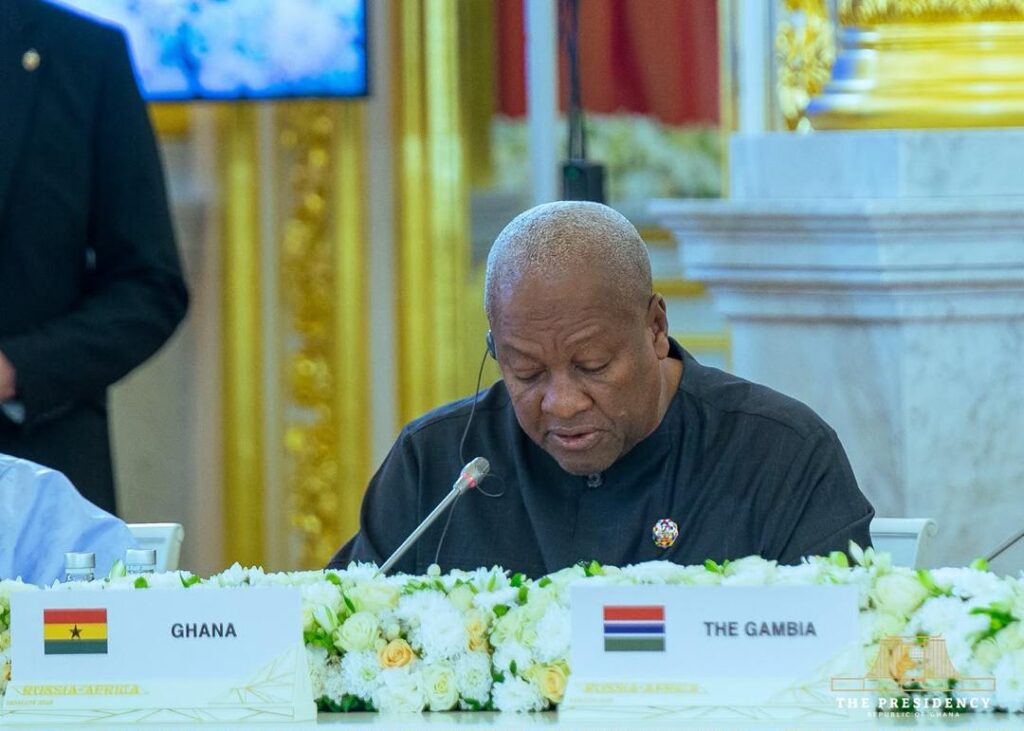
Cape Coast, known locally as Oguaa, served as a principal centre of the slave trade on the Gold Coast, from where tens of thousands of Africans were forcibly transported across the Atlantic. Speightstown, historically known as Little Bristol, was among the early ports through which enslaved Africans arrived in Barbados.
For centuries, the two towns occupied contrasting positions in this history, one associated with forced departures and the other with forced arrivals. Nevertheless, President Mahama emphasised that “enslavement cannot extinguish the cultural memory, identity and ancestral connections linking Africa to its descendants in the Caribbean.”
He consequently situated the twinning within Ghana’s efforts to renew these relationships through the Year of Return, the Beyond the Return initiative and the Black Star Experience. The new partnership, he observed, takes that commitment beyond national programmes by giving communities a direct role in sustaining the relationship.
President Mahama envisaged cooperation between the two towns across several sectors, particularly education.
“I’d like to see children of Cape Coast come and study in school with our little school children here, and school children of Speightstown come to Cape Coast and study with their brothers and sisters in Ghana.”
His Excellency John Dramani Mahama
He urged the local authorities in both communities to translate the agreement into practical initiatives through sustained engagement, regular exchanges and concrete programmes that benefit ordinary residents.
Additionally, he envisaged the twinning as a living partnership whose benefits would extend beyond institutions to young people, women and future generations in both communities.
King Cuffie’s Courage Embodies Africa’s Historic Resistance
Meanwhile, President of Ghana, His Excellency John Dramani Mahama, also honoured King Cuffie’s legacy of resistance against enslavement, describing the elder’s struggle in Barbados as an enduring testament to Africans’ determination to defend their freedom and dignity.
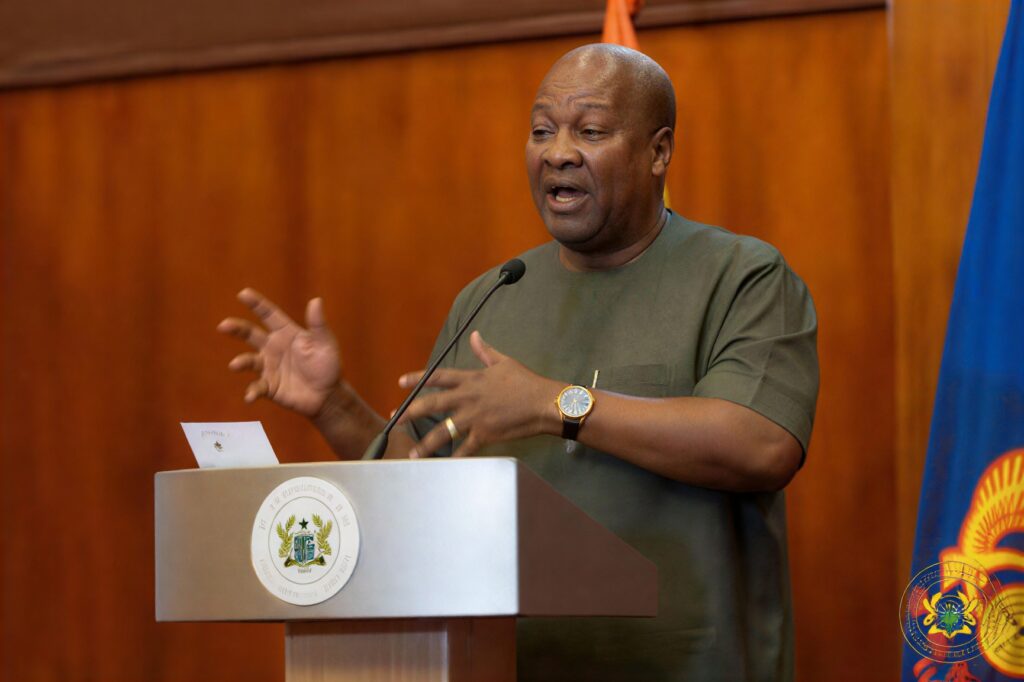
At the unveiling of King Cuffie’s bust in Speightstown, Barbados, President Mahama reflected on the historical significance of the figure.
“For Ghana, Cuffie represents the many who resisted enslavement across Africa and in the New World, defended their humanity, and refused to accept oppression.”
His Excellency John Dramani Mahama
President Mahama connected the movement to subsequent struggles for liberation in the Caribbean, including Bussa’s uprising of 1816, as well as other African liberation movements. These episodes, he observed, demonstrate that resistance to enslavement was neither isolated nor accidental, but formed part of a sustained struggle for human dignity.
He also challenged historical portrayals that reduce Africans under slavery to passive victims, insisting that their actions, courage and refusal to surrender their humanity must remain central to how the past is remembered.
The unveiling of the bust, in his view, therefore carries significance beyond the commemoration of an individual. It offers present and future generations an enduring reminder that the pursuit of freedom, justice and dignity demands courage and must never be forgotten.
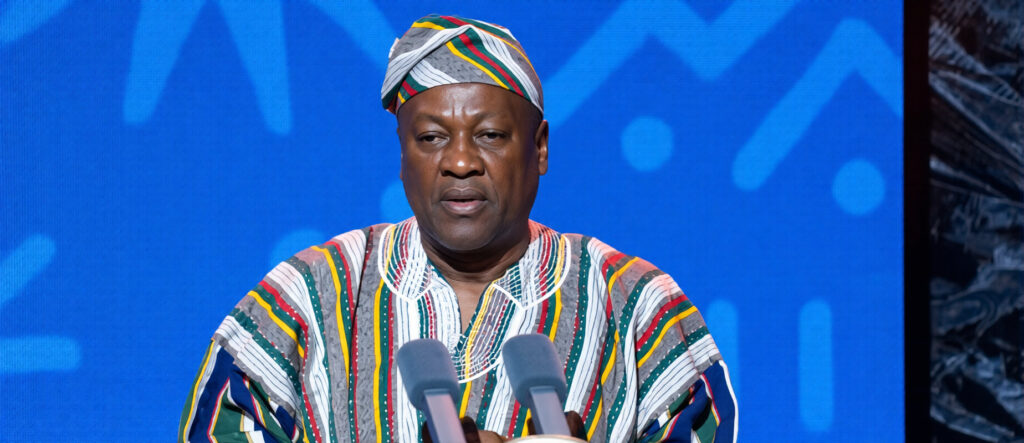
President Mahama commended the Prime Minister of Barbados, Mia Amor Mottley and the government and people of Barbados for recognising King Cuffie through the monument. He expressed appreciation for their efforts to preserve a shared heritage that continues to connect Ghana and the Caribbean.
Nevertheless, the President cautioned that the preservation of historical memory requires more than physical monuments. Reflecting on the significance of the bust, he remarked, “bronze may preserve King Cuffie’s image, but our actions must sustain his ideals.”
He thus placed responsibility on contemporary generations to give practical expression to the values embodied by the historical figure. For President Mahama, the monument must inspire a commitment to freedom, justice and human dignity, ensuring that the sacrifices of those who resisted oppression remain meaningful beyond the ceremony.
READ ALSO: Dumsor, Cocoa Price Cuts: Afenyo-Markin Demands Ministerial Explanations