

Dr. Kenneth Bansah, a prominent mining expert and professional engineer, has proposed that the Ghanaian government mandate independent socioeconomic evaluations of host towns before approving the extension of mineral extraction licenses.
Under his policy recommendation, regulatory frameworks governing the extractive sector would be tightened to make the tangible development status of catchment areas a decisive prerequisite for mining lease renewals.
“The development status of mining communities should be a consideration in mining lease renewals. My proposal is to tighten the regulations to make this an explicit requirement. Mines must fund the Ghana Statistical Service and an independent organization to assess the development status of their catchment communities before a lease renewal can be considered.”
Dr. Kenneth Bansah,

This regulatory intervention seeks to bridge the glaring disparity between the massive wealth extracted from Ghana’s soil and the persistent poverty characterizing many resource-rich districts.
While acknowledging that large-scale mining operations generate employment, household income, and state tax revenues, Dr. Bansah contends that existing corporate social responsibility initiatives and statutory royalties have failed to produce commensurate local transformation.
To institutionalize accountability, he advocates that mining firms fund both the Ghana Statistical Service and an independent entity selected via competitive bidding by the sector ministry to conduct rigorous baseline and progress assessments prior to any license extension.
Reconciling Extractives Wealth with Local Deprivation
For decades, Ghana’s status as a premier African gold producer has anchored macroeconomic stability, yet host communities frequently bear the brunt of environmental degradation, displaced agrarian livelihoods, and infrastructural deficits.
Dr. Bansah noted that while “every mine in Ghana contributes to national development” through direct employment and fiscal remittances, the critical policy question remains whether these contributions match the immense value harvested by multinational operators.
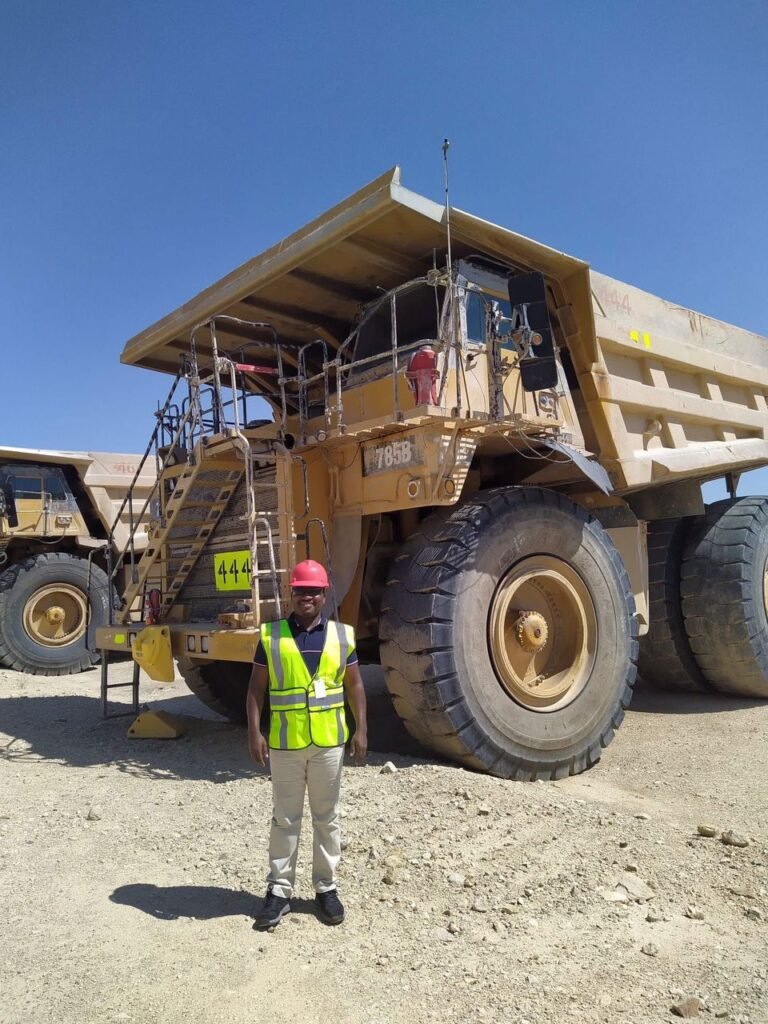
Despite billions of dollars in mineral wealth leaving the country over several licensing cycles, historic mining hubs often exhibit dilapidated road networks, inadequate healthcare facilities, and high youth unemployment.
When assessing whether commensurate value has been retained locally, Dr. Bansah emphasized that policymakers need only “look at the communities where some of these mines have been located.”
This persistent socio-economic paradox has fueled growing public agitation and heightened scrutiny over expiring thirty-year concessions across the country.
Institutionalizing Independent Impact Assessments
To eliminate subjective corporate reporting and ensure empirical rigor, the proposed framework delegates evaluation duties to state and third-party experts.
By requiring companies to finance audits executed jointly by the Ghana Statistical Service and an independent assessor, the state can obtain verifiable metrics on poverty reduction, infrastructure growth, local procurement, and ecological restoration.
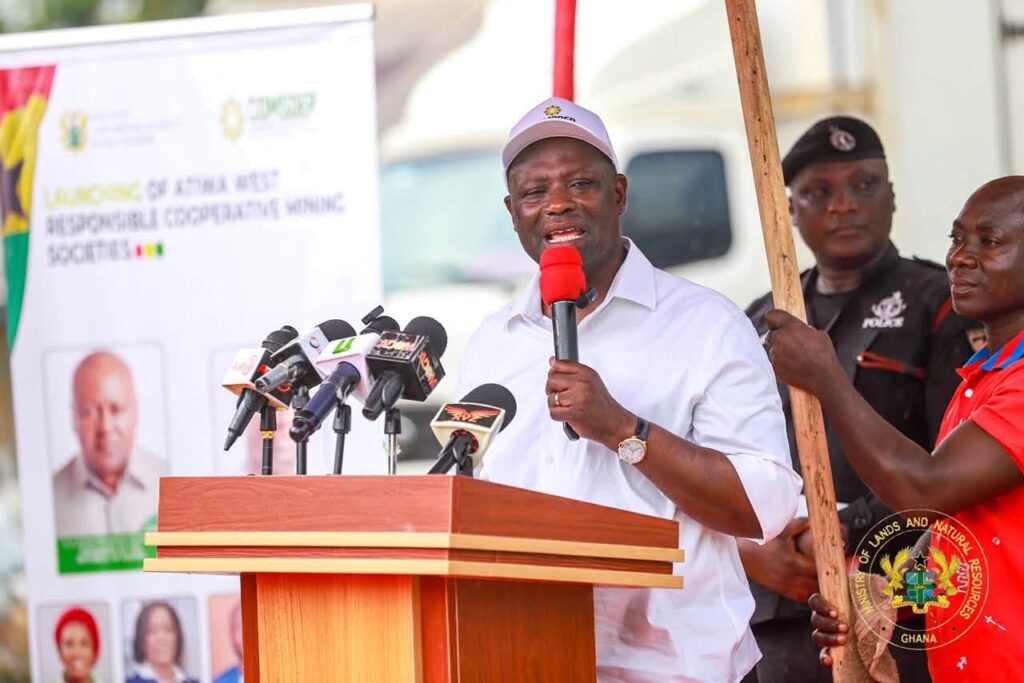
To prevent conflicts of interest and shield auditors from corporate capture, Dr. Bansah outlined a transparent procurement mechanism.
He explained that “the funds can be made available through the sector ministry,” which would subsequently “select the independent organization through a competitive bidding process.”
Routing financial resources through the Ministry of Lands and Natural Resources ensures operational independence while shifting the financial burden of compliance onto the extractive companies seeking prolonged access to sovereign mineral reserves.
Strengthening Statutory Governance and Legislative Reform
Embedding community development audits into Ghana’s Minerals and Mining Act represents a structural shift from voluntary corporate philanthropy to enforceable statutory obligation.
Currently, lease renewals largely hinge on technical compliance, financial capability, and environmental permitting, often relegating host-community welfare to peripheral agreements that lack strict punitive enforcement.
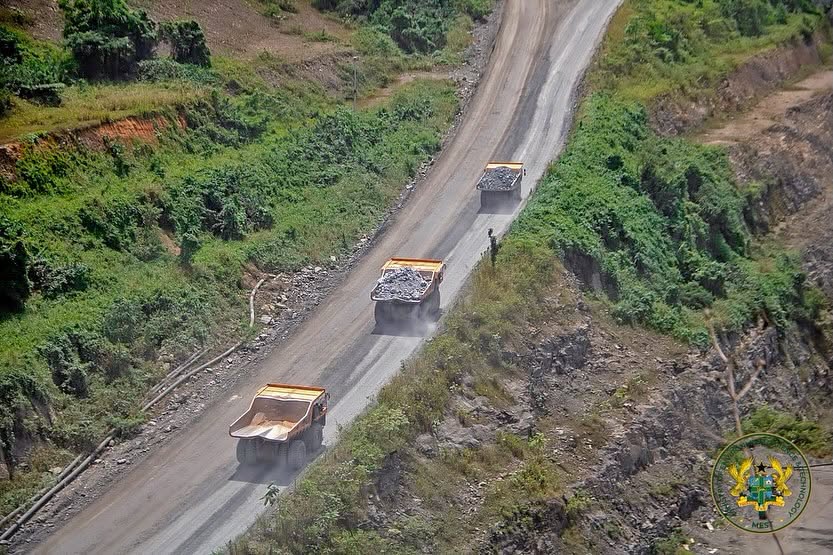
By codifying community audits into law, regulators gain an objective legal instrument to compel meaningful local content participation and sustained capital reinvestment throughout a mine’s lifecycle.
As Dr. Bansah urged, stakeholders must “find a way to include this requirement in the law” to ensure that finite geological resources translate into enduring generational prosperity.
Ultimately, tying license extensions to measurable improvements in human development indicators will compel extractive firms to align their operational longevity with the socio-economic transformation of the communities that host them.
READ ALSO: South Africa’s Solar Model Offers Ghana a Private Investment Route