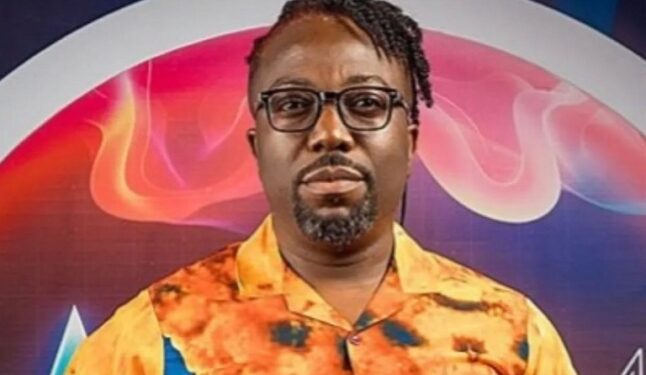
In the vibrant culture where rhythm and movement are at the forefront, the CEO of Dancetera, organisers of the Ghana Dance Festival, Robert Klah, is making a powerful plea to event organisers, musicians, and all players within the creative industry to honour our dancers with the respect and compensation they deserve.
For far too long, dancers have been treated like mere accessories. Other creatives have overshadowed their vital contributions to the cultural and entertainment industry.
Despite their pivotal roles—whether electrifying high-profile performances or breathing life into music through captivating choreography and viral dance challenges—dancers remain undervalued and underappreciated.
Robert Klah voiced a deep concern about this oversight. “The marginalisation of dancers isn’t a new issue,” Klah stated passionately. “These artists are consistently overlooked, even though they are the driving force behind many musical successes.
“Think about it: yes, they may have unique sounds identifying them, but at the mention of Adowa, Agbadza, Borborbor, etc., what readily comes to mind? It’s not just the music—it’s the dance that brings it to life. For Africans, dance is intertwined with every celebration and cultural expression; it is our heritage.”
Robert Klah
Dancers are not merely embellishments to a musical performance; they are vital storytellers who convey emotions, themes, and narratives through their movements.
Their contributions elevate the overall impact of a show, transforming a simple concert into a dynamic experience.
As performers, they engage in rigorous training, often dedicating years to perfecting their craft. They bring technical skill, creativity, and physicality to the stage, which deserves recognition and respect.
Dancers’ Current State of Compensation

Despite their contributions, many dancers receive minimal pay, often relegated to the status of “background performers.” This undervaluation is exacerbated by the gig economy, where many dancers work freelance and lack job security or benefits.
In many cases, event organizers and musicians prioritize their financial gain over the welfare of dancers, leading to situations where they are expected to perform for exposure rather than fair wages.
This trend not only undermines the livelihood of dancers but also diminishes the overall quality of performances, as artists are unable to sustain themselves or invest in their development.
Yet, the dance industry in Ghana faces significant challenges, stemming from structural issues that restrict progress to lack of dedicated platforms to showcase talent and the absence of media attention on dance as a legitimate art form.
“How many platforms truly celebrate dance?” Robert Klah questioned. “We need the media to step up and broadcast the rich tapestry of dance culture. What the public sees is just the tip of the iceberg.”
Investing in dancers is not just a moral obligation; it is also an economic necessity. When they are paid fairly, they commit to their craft, leading to higher-quality performances that attract larger audiences.
A well-compensated dance workforce contributes to the overall success of events, creating a positive feedback loop that benefits musicians and organizers alike.

Moreover, fair wages help reduce turnover rates in the industry, ensuring that experienced dancers remain available for future projects, thus maintaining a high standard of artistry.
Robert Klah passionately urged the media to shine a spotlight on them—their stories, their artistry, their events.
“Mainstream media do not have enough programmes to project dancers. We lack dedicated journalists with an interest in dance-related activities, and a lack of funding for dance-related events, affecting the organisation and publicity of the programmes.
“We need TV shows that celebrate dance beyond competitions. Print and online media must publish articles, interviews, and coverage dedicated to dancers and their invaluable contributions. It’s essential for our collective progress.”
Robert Klah
The call for fair compensation for dancers is a clarion call for justice within the performing arts. Event organizers and musicians must recognize that dancers are not just supplementary performers but essential artists who enrich the cultural landscape.
By paying dancers what they deserve, it not only validates their contributions but also invests in the future of live performance.
It is time for the industry to embrace a more equitable approach, ensuring that all artists receive the recognition and compensation they rightfully deserve. The arts flourish when every voice is heard, and every artist is valued— dancers who bring stories to life should not be forgotten.
READ ALSO: Ghana Pursues $30 Million Paid for Tamale-Walewale Road Without Work Done