In step towards addressing Ghana’s growing youth unemployment crisis, the Koforidua Technical University (KTU), in collaboration with the MasterCard Foundation, has launched a transformative 10-year initiative dubbed the Nkabom Project.
The project aims to train over 2,000 Ghanaian youth in practical entrepreneurial skills, while also equipping successful graduates with start-up kits to launch their own businesses.
According to the Vice Chancellor of Koforidua Technical University, Professor John Owusu, the Nkabom Project is designed to empower the youth not just with knowledge but with the tools and resources needed to become job creators rather than job seekers. “This Nkabom Project is absolutely a game changer,” Professor Owusu emphasized during the initiation ceremony.
“You just look at the number of graduate unemployed in the system and you realise that even poses threats to us as a country. But with this Nkabom Project we are not only going to train them with life skill sets, but we are going to help them start their own business and also employ others immediately.”
Professor John Owusu
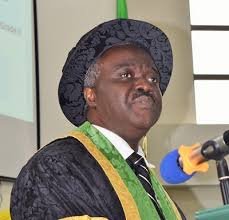
He further stressed the university’s mission of bridging the gap between academia and industry.
“As a technical university, we are focused on ensuring that all our graduates receive the necessary skills that industries require—skills that will enable them stand on their feet alone and make a living solving basic problems within their localities.”
Professor John Owusu
Strategic Investment in Ghana’s Future
With youth unemployment figures climbing above 592,000, according to project coordinator William Odoom, the need for strategic and long-term solutions has become urgent. The Nkabom Project stands out not just for its longevity but for its practical approach to job creation.
“This collaborative initiative between MasterCard Foundation and Koforidua Technical University will train more youth in the area of entrepreneurship. Those who will benefit from the training will be given some start-up funds to get their business rolled up. Over 2,000 youth will be trained under this programme for the next 10 years and the impact will be great as far as job creation is concerned.”
William Odoom
This approach aligns closely with MasterCard Foundation’s vision of promoting inclusive economic growth and enabling young people, particularly in Africa, to transition into dignified work.
Further highlighting the multi-stakeholder support for the project, Eastern Regional Director of the Youth Enterprise Agency (YEA), Foli Dakpo Atigah, expressed his agency’s readiness to contribute to the initiative. He stressed the importance of preparing local artisans to meet emerging market demands and emphasized that government efforts to reduce youth unemployment must include collaborative efforts like the Nkabom Project.
“There is the need to empower and package the local artisans to be able to take advantage of emerging opportunities,” Atigah said. “President John Dramani Mahama has rolled out another set of initiatives geared at tackling the youth unemployment situation in the country.”
Atigah added that the YEA will shift towards providing sustainable jobs for the youth.
“In the coming days, I will be engaging management of the Koforidua Technical University to set up boot camps and help also in the training of these local talented artisans who may need just some polishing, marketing, and packaging strategies to maximize profits.”
Dakpo Atigah
At the core of the Nkabom Project is a cultural shift—moving Ghana’s youth away from a heavy dependence on white-collar jobs and toward self-reliance through entrepreneurship. Both KTU and MasterCard Foundation aim to inculcate an entrepreneurial mindset that empowers young people to identify local problems and create sustainable solutions.
As the project unfolds, its success could serve as a model for other technical universities and institutions across the country. With strong institutional backing, seed funding, and skill-based training, the Nkabom Project could very well become the launchpad for a new generation of Ghanaian entrepreneurs ready to transform the economy from the ground up.
READ ALSO: Bawumia Campaign Defends 2028 Prospects