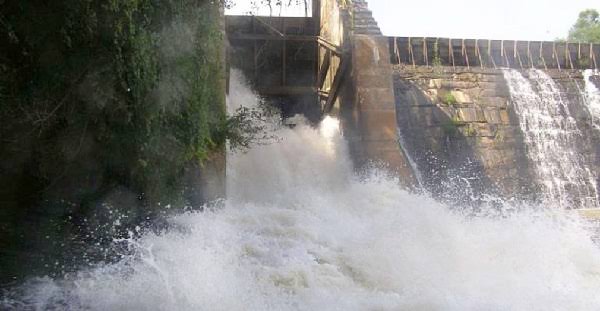
The Northeast Regional Minister, Honourable Ibrahim Tia, has disclosed that the region has completed extensive preparations ahead of a possible spillage from the Bagre Dam, with security agencies and disaster management officials positioned to respond if water reaches vulnerable areas. He explained that communities and residents farming along the White Volta have received sensitisation on the potential risks and have been advised to keep away from the river when the spillage begins.
The preparedness measures, according to Honourable Tia, follow monitoring of the water level at the Bagre Dam by authorities in Burkina Faso. He noted that the level has remained below the threshold for nearly two weeks, although the gradual rise has brought the dam closer to the point where a controlled release could become necessary.

The Northeast Minister indicated that the regional administration used the available time to coordinate preparations with key stakeholders. The Ghana Armed Forces, the National Disaster Management Organisation and local authorities have therefore been involved in efforts to ensure that residents along the White Volta understand the situation and respond appropriately.
“We have all the relevant stakeholders: the military, NADMO, and then the citizens around the White Volta in both districts. They’ve all worked together to sensitise the people living around.”
Honourable Ibrahim Tia
Addressing the areas considered vulnerable, Honourable Tia identified East Mamprusi and West Mamprusi among the locations where sensitisation activities have taken place. He explained that officials visited communities and engaged residents on the need to move away from riverbanks and other areas that could experience rising water levels.
The Minister clarified that the immediate risk is largely associated with farmlands situated close to the White Volta. He explained that most homes are located at a considerable distance from the river, making the likelihood of residential structures being submerged relatively low under the prevailing conditions.
However, the assessment also recognised communities situated within wetlands and low-lying areas as requiring closer monitoring. Such locations could experience water reaching beyond the immediate river channel, prompting authorities to keep residents informed and prepared for any change in circumstances.

From his perspective, the current level of awareness created a stronger basis for managing the situation. Therefore, farmers operating close to the waterway were being urged to observe the safety instructions and avoid entering vulnerable sections when the release begins.
The regional administration has consequently adopted a precautionary approach while continuing to monitor developments at the dam. Honourable Tia indicated that the authorities are prepared to adjust their response if the water extended into populated areas.
Authorities Prepare Evacuation Options As Water Levels Rise
The Northeast Regional Minister also outlined contingency measures that could be activated if the Bagre Dam spillage affects communities along the White Volta. He explained that although large scale evacuation is not currently anticipated, the region has arrangements in place to move residents if conditions changed.
The existing assessment, according to the Minister, is based partly on the experience of previous years. He noted that communities along the White Volta have not historically required complete relocation because the effects of the spillage generally centred on farming areas.
Nevertheless, preparations have been strengthened to account for possible changes in the pattern of flooding. Military personnel and NADMO officials have been deployed to support regional authorities while specialised officers from Accra have joined local teams in monitoring preparedness.
“Even if the water will get to communities, we’ll find a way of evacuating them because we’ve even got enough engine boats around.”
Honourable Ibrahim Tia
The ministerial assessment also placed emphasis on shelter arrangements should evacuation become necessary. While dedicated shelters are not immediately required, the regional administration indicated that accommodation options would be identified for people who might become stranded.

Community support is also expected to play a role in any emergency relocation exercise. Honourable Tia pointed to the hospitality of residents in the northern parts of the country, noting that families in safer and higher locations could accommodate relatives and other affected residents if the need arose.
Furthermore, the regional authorities intend to combine local support with formal emergency arrangements. Such coordination could provide temporary accommodation while disaster management teams assess affected areas and determine the safest options for displaced residents.
The situation remains subject to the level of water released from the Bagre Dam and the direction that the water takes after entering the White Volta. For that reason, officials continue to encourage residents in vulnerable locations to follow safety guidance and remain alert to instructions from authorised agencies.
Analysing the preparations, the regional administration has positioned the response around early warning, community engagement and emergency mobility. The approach is designed to limit exposure to floodwaters while giving authorities room to act quickly if conditions become more severe.
The Minister also indicated that the region is working with stakeholders beyond government structures to strengthen preparedness at the local level. This includes district authorities, community representatives, security personnel and disaster management officials whose cooperation would be essential during any emergency.
READ ALSO: IMANI Commends Government for Adopting Structured Pathway on Mining Leases