Over the past decade, Ghana has lost over GH¢ 70 billion to delayed or abandoned projects, of which the Ghana Infrastructure Plan (GIP) has been resurrected to facilitate the government’s reset agenda.
The amount lost spans over 18,000 capital projects at various stages of completion. This loss has denied households, communities, districts, constituencies, regions, and the national economy the needed development and relief.
This sobering reality of Ghana’s infrastructure state was revealed in the 2024 National Annual Progress Report by the National Development Planning Commission (NDPC).
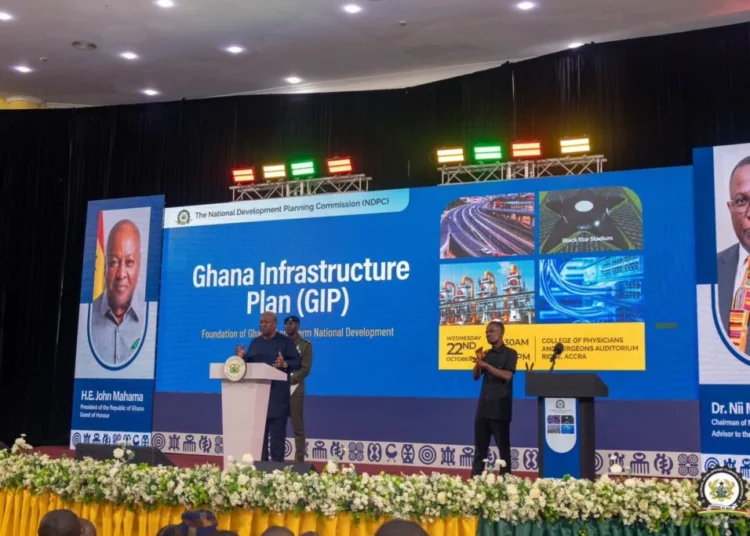
The President, H.E. John Dramani Mahama, in launching the GIP in Accra, reminisced about the lack of continuity of capital projects due to a change in government.
GIP – the New Plan
According to the GIP document drafted by the NDPC and launched this month, the idea of a long-term national development plan warranted the creation of the GIP in 2015 to span a 30-year-period (2018-2047). This period, the commission believes, is the “average lifespan for many major infrastructure projects.”
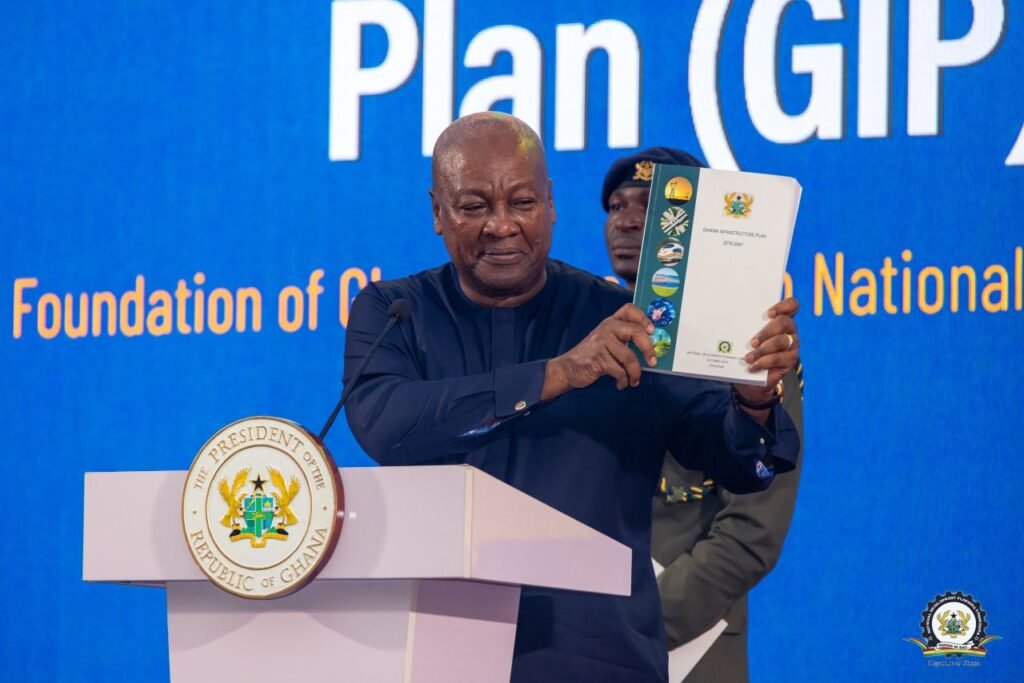
President Mahama, upon assuming his second term, asked for the recompilation of the GIP, devoid of past mistakes, to meet the demands of the people of Ghana. The Plan covers 9 key areas: Energy Infrastructure; Transport Infrastructure; Water Infrastructure; Human Settlements and Housing; Social, Civic and Commercial Infrastructure; ICT Infrastructure; Institutional Development; Results Framework; and Financing Framework.
According to President Mahama, this initiative is not new, as that was the agenda of Ghana’s First President, Dr. Kwame Nkrumah (7-year development plan in 1963). Dr. Nkrumah’s dream was to provide infrastructure development for Ghana. He was convinced that infrastructure is the foundation for a modern industrialised nation. That is, building the schools, hospitals, roads, and factories, among other capital projects, improves the standard of living for the people of Ghana.
“We inherited Nkrumah’s dream, but we have yet to fulfil its promise. The Ghana Infrastructure Plan marks a strategic reset.
“He built roads, railways, schools, and energy systems to connect our people and unlock Ghana’s productive potential. That vision was bold, it was patriotic and transformative, and it remains timeless even today.”
John Dramani Mahama, President of Ghana
The GIP is the central framework for the government’s “Big Push” infrastructure initiative. The “Big Push” initiative is the first installment of the GIP, President Mahama declared. The focus, he added, is to “complete abandoned and delayed projects, as Article 35 (7) of the 1992 Constitution mandates successive governments to continue projects started by their predecessors.”
The president clarified that “The ‘Big Push’ is not about spending more; it is about spending wisely.” Adding that “the 30-years GIP strategic blueprint design is to guide the nation’s infrastructure development and end the cycle of abandoned and politicised projects.”
Collaborators
During the launch, the Deputy Minister for Finance, Thomas Nyarko Ampem, expressed his optimism in the GIP initiative and assured that the Ministry of Finance is ready to support the full execution of the Plan. He also outlined three keys to a successful GIP implementation: “collaborative financing, effective coordination, and strategic communication.”
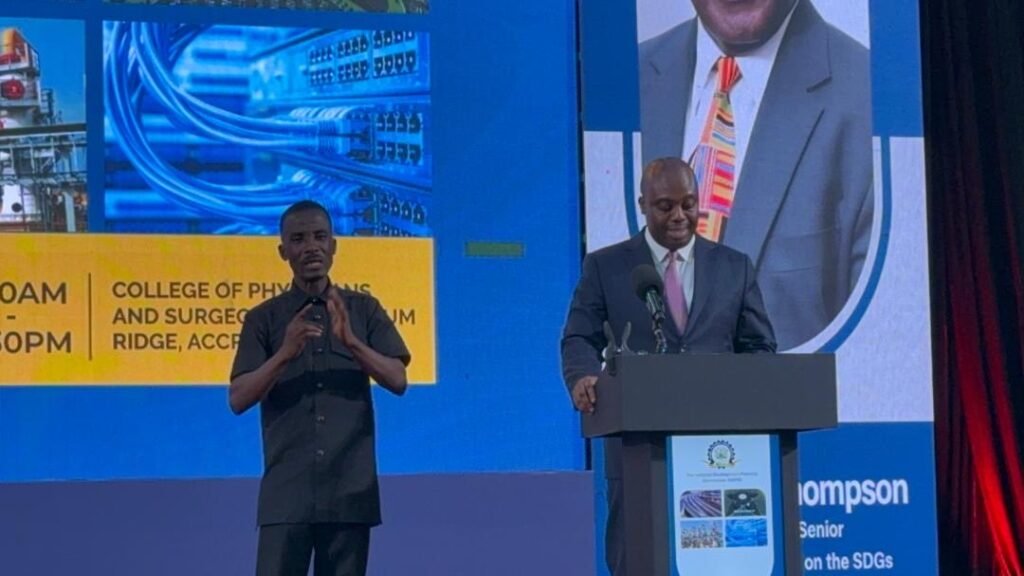
He confirmed, government’s GH¢13.9 billion payment as part of the US$10 billion medium-term infrastructure financing package, sourced from petroleum revenues and mineral royalties.
Aside from the government and the Ministry of Finance, the NDPC, the drafters of the working document have also expressed support for the Plan. According to Dr. Nii Moi Thompson, the Chairman of the NDPC, “the GIP represents the first instalment – the foundation – of what we expect to be the final long-term plan for Ghana, with the legislative blessing of the people’s representatives, Parliament.”
The Judiciary, led by the acting Chief Justice, also agreed to support the GIP in holding accountable all who have misappropriated funds in the numerous abandoned projects of the past. President Mahama announced that “he [Acting Chief Justice] had agreed to set up specialised courts to fast-track the prosecution of individuals who misappropriate public funds, as would be highlighted in the Auditor-General’s reports.”
The general populace and the private sector are also encouraged to be active participants in funding, policing, constructive criticism, and promoters of the initiative.
Measures to Strengthen the Plan
The core objectives of the GIP include promoting balanced regional development, developing multi-sector linkages, and implementing legal and institutional reforms to ensure continuity across governments.
A series of stringent fiscal measures, including a legal cap on the debt ceiling at 45% of Gross Domestic Product (GDP) by 2034, and the establishment of a Fiscal Responsibility Council to penalise infractions under the Public Financial Management Act, 2016 (PFMA 921), were announced by the President.
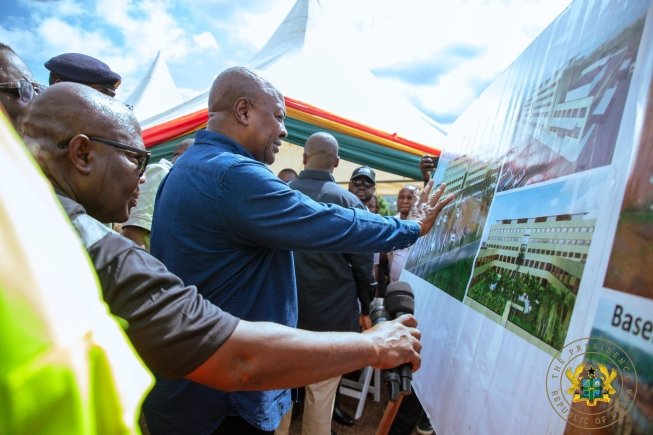
The government assured that no loans would be taken for the projects. The projects will be powered by the private sector. The macroeconomy has been stabilized to facilitate the growth of the private sector to support these ambitious projects.
Dr. Thomas Nyarko Ampem cautioned that “a brilliant plan will not succeed unless it is executed effectively. Together, we can build modern infrastructure that enhances trade, improves quality of life, and positions Ghana as a hub for sustainable investment in Africa.”