The KPMG’s 2026 pre-Budget Survey Report comes days ahead of the 2026 Budget Statement reading, to capture the perception of Ghanaians about the 2025 Budget.
The report aimed to record the perceptions of businesses within the three main sectors of the Ghanaian economy on the fiscal and economic policies to assist the government’s policy trajectory.
As the Minister of Finance prepares to provide a working document for the country to sustain the macroeconomic stability achieved, the perception of Ghanaians on the 2025 Budget will guide the government’s assessment of policy, its impact, and general acceptance.
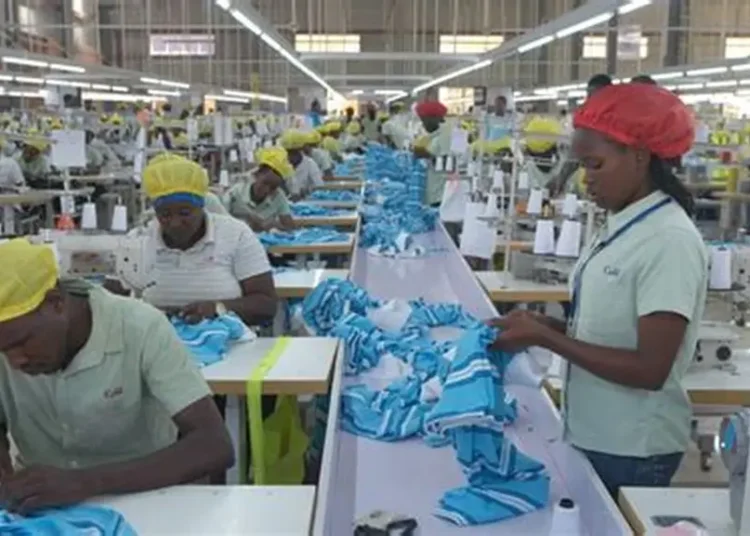
The survey assessed 203 businesses from different demographics across the three main sectors of the economy. 24 percent of the businesses were from the agriculture sector, 30 percent from the industrial sector, and 47 percent from the services sector of the economy. 45 percent of responders are professionals aged 35-44 covering all forms of businesses, including companies, sole proprietors, and partnerships.
Effectiveness, Impact, and Implementation
According to the report, a significant number of the participants affirmed their awareness of the 2025 Budget and its content, while others reported that they are relatively less familiar. Together, respondents who reported being aware of the 2025 Budget were 80 percent of the total respondents. These respondents follow issues and conversations happening in the country often.

Less than half (44 percent) of the respondents agreed that the 2025 Budget has addressed the main issues in the country–inflation reduction, stability of the Ghana Cedi, and fiscal consolidation. They, however, identified the initiatives of the government that they considered to be most helpful to Ghanaians and the economy.
These include infrastructure development through the ‘Big Push,’ abolishment of certain tax policies like the infamous e-levy and betting tax, educational policies like the no-fee for first-year students, energy sector reforms, and agriculture and food security programs.
More than half of the group that affirmed the 2025 Budget’s impact, expressed moderate confidence in the Budget to sustain the current growth till the end of year. 30 percent strongly believe that the macroeconomic gains from the implementation of the government’s initiatives will linger.
In rating the current business environment, 36% expressed that the initiatives have strong impact on the economy, while 40 percent were neutral. Again, 64 percent revealed that the government’s Adwumawura Program, Big Push, and 24-Hour+ Program had a moderate impact on the economy, while 28 percent expressed that the initiatives are highly relevant, gesturing investment and employment potentials.
Many of the respondents were aware of the tax reforms in the 2025 Budget. 59 percent are familiar with tax measures. 30 percent agreed that the tax policies of the budget are generating needed revenue and improving business activities, while 45 percent were uncertain about the tax reforms. Respondents generally received the idea of a Digital tax initiative. Ghanaians are open to and will welcome the Digital form of tax collection.
According to the report, 38 percent support the meaningfulness of the 2025 Budget to enhance private sector growth and contribute to the achievement of the SDGs and Agenda 2063. Half of the respondents, on the other hand, were neutral.

Priorities For the 2026 Budget
The report recorded that the respondents expect a strong policy continuity, targeted fiscal reliefs, and a conducive environment to achieve economic recovery and growth inclusivity, in the 2026 Budget statement to be read on November 13.
Respondents called for the availability of affordable and lasting credit for businesses through grants, soft loans, and credit guarantee schemes. More than 57 percent supported the credit access initiative to help expand businesses.
Reliable and affordable energy, supported by infrastructure linked to the 24-Hour production, was ranked most necessary for effective and efficient business operations. Respondents identified risks in the sector to be frequent tariff adjustments, power disruptions, and high tariffs.
Respondents also called for tax simplification or restructuring. Others call for improvement of the digital filing system to ease tax payment and collection.
63 percent requested a dedicated budget for workforce training. They call for the strengthening of SMEs, skills development, and support for local industries. Some of the respondents suggested that local manufacturing be supported to create jobs.
Businesses reported that they were willing to support sustainable growth. They, however, called for incentives to support businesses to also contribute to the growth and development of the country.
The government is urged to take a look at the policy and initiative suggestions from the businesses to ensure that the 2026 budget is robust to ensure continued economic growth for the country.
READ ALSO: Cedi Stability and Declining Inflation Drive Ghana’s Private Sector Back into Growth Territory