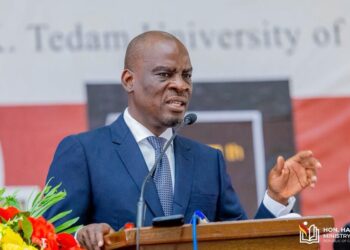
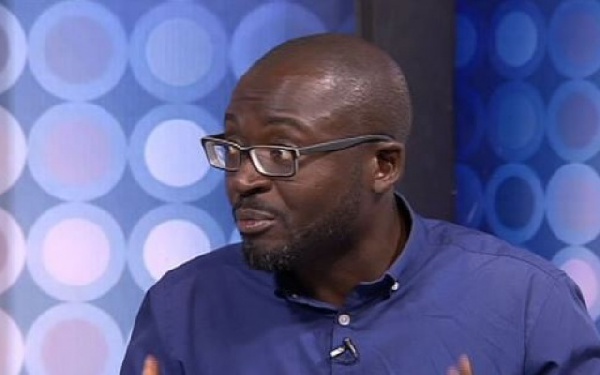
Former Assistant Secretary at the Office of former President Akufo-Addo, Ibrahim Adjei, has criticised successive governments for creating what he calls a cycle of “false hope” around public sector recruitment, arguing that the practice exploits vulnerable young people who continue to pay fees for opportunities that statistically elude the vast majority of applicants.
His comments follow renewed debate over the Ghana Armed Forces (GAF) recruitment process, which once again saw thousands of hopefuls pursuing a small number of slots. Mr. Adjei said the persistent pattern of overwhelming demand for limited openings reflects a national failure to develop sustainable pathways for youth empowerment.
He described it as unfair for governments across political administrations to raise expectations for public employment when “90% of you will not get the job,” insisting that leaders must be honest about the realities facing the country.
“Government should not – and this is across administrations – pander to that false hope, charging 200 cedis knowing full well that many will not get the job. It takes a bold leader to say this is the situation and this is what I would rather do for you”
Mr. Ibrahim Adjei, Former Assistant Secretary at the Office of the President
Mr. Adjei called for a fundamental shift away from public recruitment as a response to unemployment and urged the nation’s leadership to focus on innovation-driven policies that harness the creativity and entrepreneurial capacity of the youth.
According to him, Ghana must intentionally build a “framework that empowers young Ghanaians to pursue ventures that are sustainable, fulfilling, and globally competitive.”

He argued that the current model places unhealthy pressure on state institutions, while simultaneously leaving young applicants disillusioned when the promises fail to translate into meaningful employment.
“As leaders, let us see different ways in which we can create opportunities for our young ones to become the global ambassadors and strong units of production, and not fall back on public sector recruitment”
Mr. Ibrahim Adjei, Former Assistant Secretary at the Office of the President
Addressing the controversy surrounding crowd management during the recent GAF recruitment, which led to the tragic stampede, Mr. Adjei maintained that the Armed Forces should have anticipated the overwhelming turnout.
He argued that officers ought to have enforced stricter control measures to prevent disorder and confusion, insisting that “unexpected attendance” was not a credible explanation for the challenges that unfolded.
He suggested that more stringent screening procedures, better scheduling, and proactive crowd control would have averted the situation. According to him, applicants who were not scheduled for particular days could have been prevented from entering the grounds to avoid congestion.
Presidential Jet and Long-Term Investments
Mr. Adjei also commented on the ongoing conversation about Ghana’s presidential jet, following its return from an extended repair period in France.

He advised the government to evaluate the long-term viability of the Falcon jet and consider whether a replacement will be necessary within the coming year to ensure value, safety, and technological relevance.
He emphasised that leadership must think with a generational focus, recalling past decisions taken not for immediate political benefit but for national longevity. “When President Kufuor ordered the jet, he knew he was going out of office, so it was not for him but the nation – yet he purchased it despite the criticism that came with it,” he said.
While noting that the Falcon 900 jet is currently deemed airworthy, he argued that authorities must critically assess how long it can remain in reliable service and whether its current technological capabilities meet modern standards.
“What President Mahama needs to do is – think about how we can position the next generation and invest in facilities that will benefit us,” Mr. Adjei explained, adding that if technical assessments show the need for replacement, then the government should act decisively.
He maintained that aviation technology evolves rapidly and that the presidency must be served by systems that guarantee both safety and efficiency always.
“If we need to sell it within the next year, let us do so and purchase one that will serve the presidency better and provide value for money going forward.
“Because technology keeps changing, there will be different instruments on these new planes that the Falcon doesn’t have, and the president needs to be accessible to new technology in terms of air travel”
Mr. Ibrahim Adjei, Former Assistant Secretary at the Office of the President
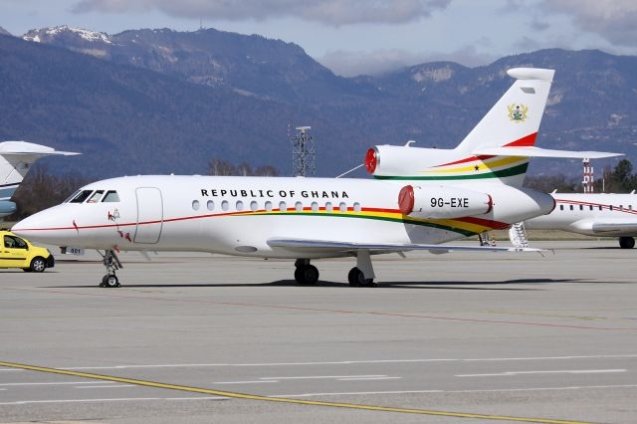
He added that questions about investing in a presidential jet are legitimate in a country facing economic challenges, but insisted that the safety of the President and the long-term value of state assets must remain a national priority.
READ ALSO: Energy Commission Sets December 2025 Deadline for New Appliance Efficiency Standards