The government’s ambition to transition Ghana into a fully functional 24-hour economy is gaining renewed momentum, with the 2026 Budget Statement placing reliable electricity supply at the centre of the national strategy.
As policymakers seek to stimulate continuous production, boost industrial output, and expand job opportunities, power sector stability has emerged as the indispensable ingredient for round-the-clock economic activity.
Independent assessment of the Budget reinforces this view. In its review, Deloitte Ghana emphasised that “Electricity supply is central to this model,” adding that the government’s financial provisions demonstrate a strong intent to stabilise and expand the national grid.
The 2026 Budget allocates GHS110 million specifically for advancing the 24-hour economy model.
According to the statement, the funding will support targeted interventions such as strategic infrastructure expansion, agro-industrial value chain development, and export-oriented enterprise growth.
These sectors, government officials noted, cannot flourish without stable power. Continuous agro-processing, night-shift manufacturing, and 24-hour service operations all require guaranteed electricity, something the Budget acknowledges explicitly.
The allocation represents more than financial support; it signals a policy direction aimed at integrating the country’s productive sectors into a continuous operational cycle.
Power Sector Investments
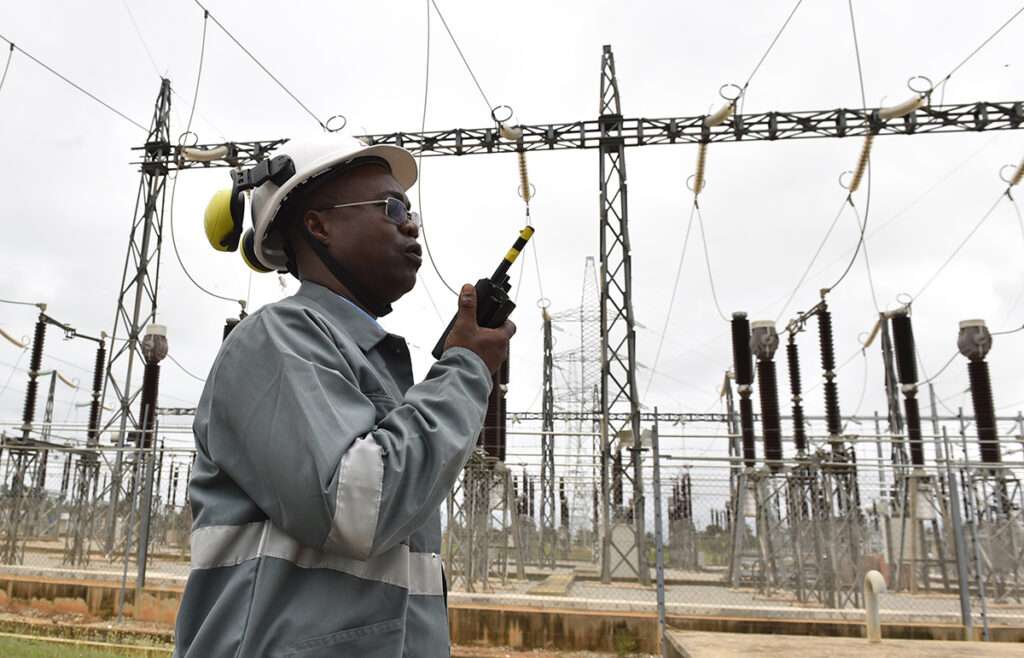
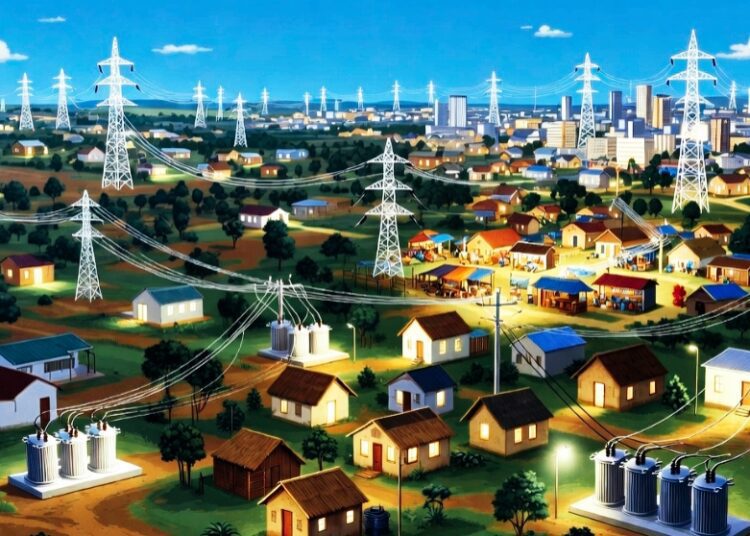
The Budget dedicates GHS2.0 billion to rural electrification and urban power intensification, an intervention expected to expand access and bring more communities and businesses into the national energy framework.
A further GHS15.2 billion is earmarked to cover energy shortfalls, reflecting the state’s effort to ensure uninterrupted supply and reduce the frequency of power-related disruptions.
In addition, GHS4.8 billion has been allocated to clear legacy debts owed to Independent Power Producers (IPPs).
These debts have historically strained relationships between the state and power generators, at times threatening supply reliability. Clearing the arrears, analysts note, is expected to restore investor confidence and strengthen the liquidity of energy providers.
“With the 2026 Budget laying the foundations for a more stable, efficient, and accessible energy sector, attention now turns to how these investments support broader economic objectives, including a fully functional 24-hour economy.”
Deloitte Ghana
Reliable electricity is not merely a technical requirement but a catalyst for productivity. Continuous processing of raw materials, especially in agro-industrial hubs, could drastically reduce post-harvest losses, improve export competitiveness, and create significant employment opportunities.
Manufacturers, too, stand to benefit from the ability to run multiple shifts, reduce downtime, and expand output without the constraints of intermittent power supply.
Challenges Ahead
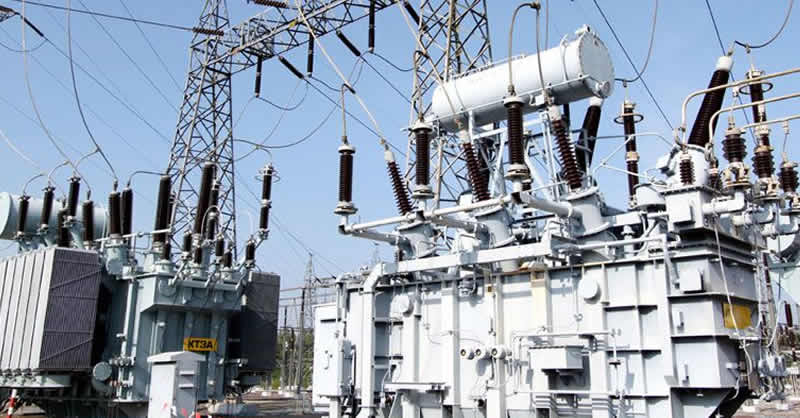
Despite the ambitious allocations, both policymakers and analysts acknowledge significant hurdles remain.
Deloitte’s review cautions that Ghana must “strengthen baseload capacity, accelerate transmission and distribution upgrades, improve power efficiency, and ensure financial sustainability” to fully realise the 24-hour economy vision.
Experts warn that without addressing persistent system losses, ageing infrastructure, tariff misalignments, and delays in energy sector reforms, the country risks perpetuating the mismatch between demand and supply.
“Only with reliable, resilient, and cost-effective electricity can industrial, commercial, and agro-processing activities operate continuously, fulfilling the Government’s vision of a fully functional 24-hour economy.”
Deloitte Ghana
As Ghana positions itself for long-term economic stability and broadened employment opportunities, the success of the 24-hour economy may well depend on the country’s ability to deliver consistent and affordable electricity.
The 2026 Budget sets the stage with unprecedented energy sector allocations, but execution, experts say, will be the ultimate test.
If the government succeeds in stabilising the grid and improving efficiency, the 24-hour economy could redefine Ghana’s industrial and economic landscape.
For now, all eyes are on the rollout of these energy sector investments and their impact on the nation’s broader development ambitions.
READ ALSO: Lagos Shatters Records with Sub-Saharan Africa’s Biggest Ever N244bn Dual Bond Breakthrough