The Institute of Climate and Environmental Governance (ICEG) has expressed deep concern over the Public Utilities Regulatory Commission’s (PURC) newly approved tariff adjustments for the 2026–2030 regulatory period, warning that the increases could worsen the financial pressures facing Ghanaian households and businesses.
The PURC’s decision, announced earlier this week, confirmed that electricity tariffs will rise by 9.86%, while water tariffs will increase by 15.92%, both effective January 1, 2026.
The review forms part of the Commission’s major Multi-Year Tariff Order (MYTO), which aligns electricity and water prices with utilities’ capital expenditure (CAPEX), operational expenditure (OPEX), and broader macroeconomic conditions.
But ICEG argues that the latest adjustment risks burdening already struggling consumers.
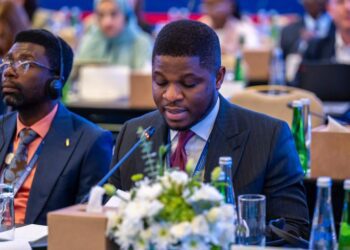
Kwesi Yamoah Abaidoo, Policy Lead for Climate Finance and Energy Transition at ICEG warned that the increases “suggest life-line consumers (low-income households) will have to pay more for the same amount of electricity consumed,” describing the move as a deviation from principles of fairness at a time when many Ghanaians are battling high inflation and weakened purchasing power.
Concerns Over Consumer Protection and Economic Impact

While acknowledging the PURC’s effort to “discharge its legal mandate equitably,” ICEG insists that protecting consumers from excessive charges should remain a top priority.
According to Abaidoo, the upward tariff review fails to account for the current socio-economic pressures facing citizens. “The interest of consumers is certainly not protected with such increase,” he noted, adding that tariff-setting must balance utility investments with the financial realities of ordinary Ghanaians.
ICEG argues that increasing tariffs at a time of elevated inflation, rising food prices, and stagnant incomes risks pushing low-income households into deeper vulnerability. Many families, the organisation says, are already forced to ration electricity or rely on unsafe and inefficient alternatives when tariffs rise.
“The upward adjustment suggests life-line consumers will have to pay more for the same amount of electricity consumed. This defeats the tenets of fairness.”
Kwesi Yamoah Abaidoo, Policy Lead for Climate Finance and Energy Transition at ICEG
Beyond the concerns about affordability, ICEG criticised what it sees as an absence of strict performance obligations placed on utility service providers such as the ECG, Ghana Water Company Limited, and other sector players.
The organisation argues that inefficiencies in the system, notably transmission and distribution losses, delayed repairs, and operational lapses continue to increase overall costs and therefore unfairly contribute to tariff pressures.
“Consumers should not continue to pay for the inefficiencies of utility service providers which has persisted over the years.”
Kwesi Yamoah Abaidoo, Policy Lead for Climate Finance and Energy Transition at ICEG
ICEG emphasised that every tariff adjustment must be grounded in “value-for-money” and measurable service improvement.
ICEG insists that PURC must use its regulatory authority to compel utilities to demonstrate improvements in reliability, reduction in losses, and efficient use of invested capital before tariff increases are approved.
Quarterly Adjustments Still a Major Worry
One of the strongest concerns raised by ICEG relates to the quarterly tariff review system. While the multi-year review sets baseline tariffs, the quarterly adjustments, driven by inflation, exchange rate movements, fuel costs and generation mix have historically resulted in frequent upward revisions.
ICEG argues that the new MYTO decision does little to shield consumers from these continuous increases, which they say undermine pricing predictability and make financial planning difficult for families and enterprises.
“Further, the adjustment does not shield consumers from the quarterly review which over the years have been on an upward trend.
“There should be certainty in tariffs to allow citizens plan accordingly.”
Kwesi Yamoah Abaidoo, Policy Lead for Climate Finance and Energy Transition at ICEG
ICEG concluded its statement with a call for a tariff structure that prioritises social protection without neglecting long-term sector sustainability.
The organisation reiterated its belief in a fair and transparent tariff regime that “does not impose hardship on low-income households and businesses,” arguing that tariff decisions should “light the path of consumers rather than leave consumers in the dark.”
As the new tariffs take effect in January 2026, the debate over affordability, utility efficiency, and the need for a more resilient energy and water sector is expected to intensify.
Civil society groups, industry players, and consumer advocates are all keeping a close eye on the PURC’s regulatory actions, hoping for reforms that balance financial viability with public welfare.
READ ALSO: Suhuyini Demands UG Flexibility on WASSCE Failure, Slams Zipline Termination Calls