The Strategic Youth Network for Development (SYND) is calling for deeper youth involvement and stronger government investment in Ghana’s clean energy transition as the country advances its Mission 300 commitments under the National Energy Compact.
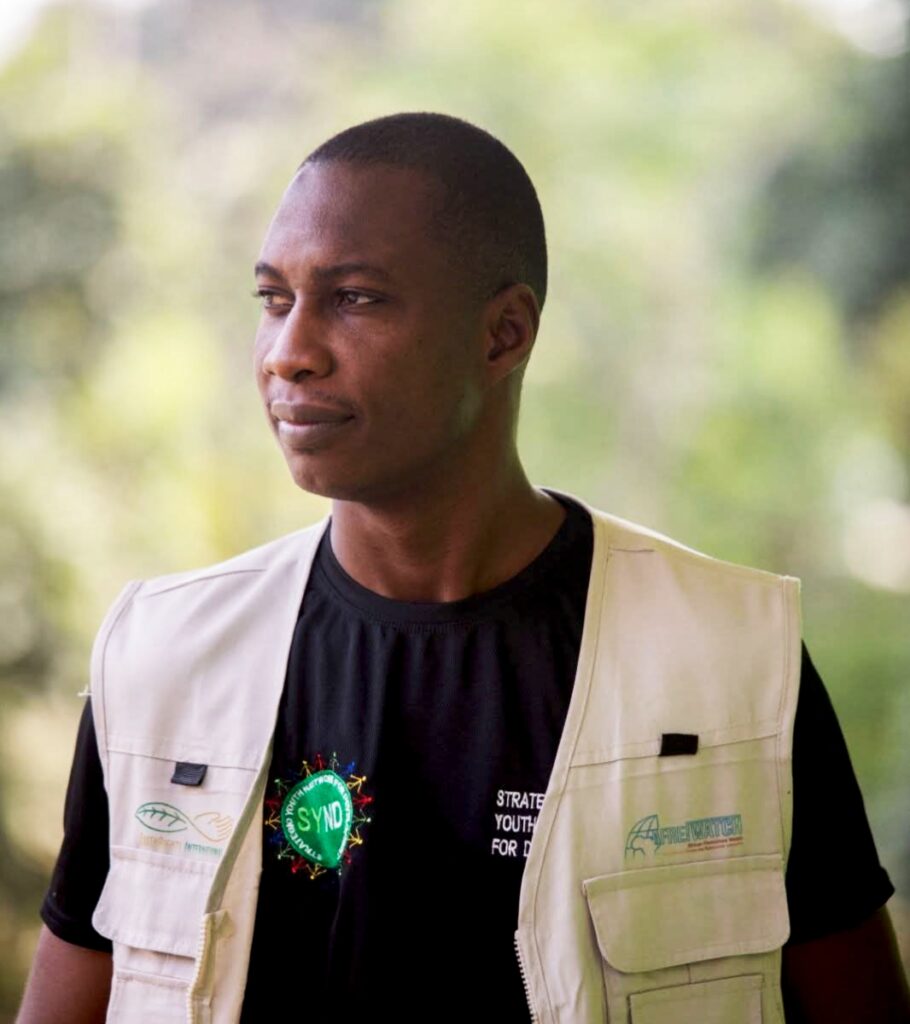
At a news conference in Accra, Executive Coordinator Ezekiel Chibeze acknowledged government efforts but stressed that the next phase of implementation must prioritise young people and adequately fund renewable energy initiatives.
Presenting SYND’s analysis of the 2026 Budget Statement and Economic Policy, Mr. Chibeze commended the government for recognising the National Energy Compact and reaffirming critical targets, including 99.8% national electricity access, 50% clean cooking penetration, and raising renewable energy’s share to 10% by 2030.
However, he emphasised that the youth, central to the Mission 300 agenda, must be meaningfully engaged.
“Given that job creation is central to the Mission 300 programme, young people ought to be involved in the planning and implementation of the Energy Compact, in line with provisions of the National Youth Policy.”
Ezekiel Chibeze, Executive Coordinator of SYND
Ghana’s Role in Mission 300 and Continental Energy Access Goals
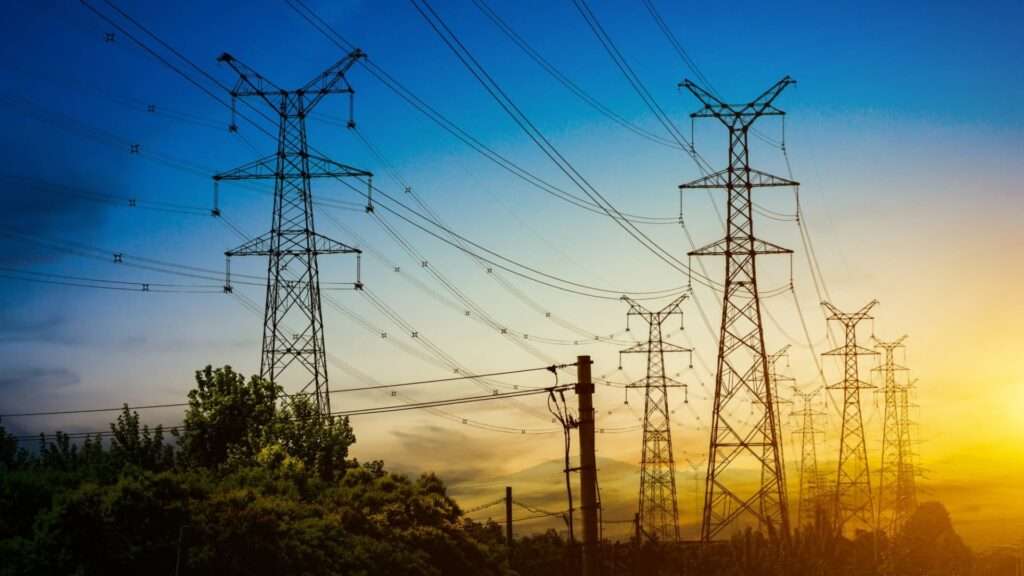
Mission 300, a flagship initiative under the National Energy Compact, seeks to contribute to the continental goal of connecting 300 million Africans to electricity by 2030.
Led by the World Bank and the African Development Bank, the programme aims to accelerate energy access, expand renewable energy penetration, strengthen clean cooking adoption, and catalyse investment in Africa’s energy sector.
For Ghana, the initiative focuses on expanding grid access, scaling off-grid solutions, and stimulating energy-sector jobs.
Mr. Chibeze welcomed multiple interventions captured in the 2026 budget, including the Rural Electricity Acceleration and Urban Intensification Initiative, which will connect unserved communities using a faster turnkey model.
He highlighted provisions to extend electricity to homes and businesses nationwide, scale up off-grid solar in remote areas such as Volta, Oti, Savannah, and Central regions, and implement Phase I of the National LPG Promotion Programme, which aims to distribute 450,000 household cookstoves and 7,000 commercial units.
“These are important steps towards ensuring that access to electricity becomes universal, reliable, and life-changing.”
Ezekiel Chibeze, Executive Coordinator of SYND
SYND Flags Gaps in Job Creation, Funding, and Youth Support
Despite the progress, SYND raised concerns over what it described as critical gaps in the government’s approach—particularly regarding job creation and budget allocation.
Mr. Chibeze noted that while the budget projects 800,000 jobs in 2026 and anticipates 322,110 renewable energy jobs between 2026 and 2030, it fails to specify the number of direct jobs that Mission 300 will generate.
“The budget failed to touch on jobs in the energy sector, especially when Mission 300 largely bothers on employment opportunities for young people.”
Ezekiel Chibeze, Executive Coordinator of SYND
On funding, he described the GH¢2.0 billion allocation for the rural and urban electricity initiatives as insufficient. Citing the Energy Compact’s overall financing needs of US$4.4 billion, including US$1.8 billion expected from public and donor sources, he said the 2026 allocation, equivalent to roughly US$180 million, is inadequate.
“This means the GH¢2.0 billion allocation for 2026, though commendable, is inadequate.”
Ezekiel Chibeze, Executive Coordinator of SYND
He also expressed worry about the limited government support for youth-led clean energy start-ups, including solar service providers, biomass innovators, and clean cookstove manufacturers, businesses he said play a critical role in advancing Mission 300 and supporting local employment.
Concerns Over LPG Rollout and Infrastructure Constraints
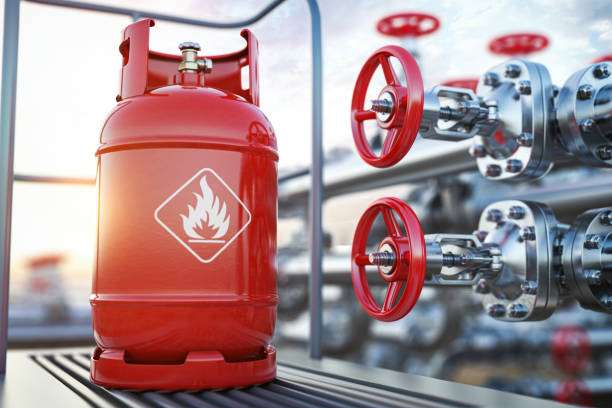
SYND also raised red flags regarding the implementation of Phase I of the National LPG Promotion Programme.
Mr. Chibeze warned that without adequate LPG refilling infrastructure, and given the rising cost of gas, the programme risked distributing “stranded cylinders” that households cannot readily use.
He argued that while expanding LPG access is crucial for clean cooking, successful adoption depends on affordability, infrastructure availability, and targeted support for low-income households.
To ensure long-term impact, SYND urged the government to formally embed youth participation within the Energy Compact’s implementation framework.
“Young entrepreneurs are already driving innovation in clean energy and contributing to rural electrification and climate action.
“Government must intentionally empower the youth not just as beneficiaries, but as partners in delivering Ghana’s energy future.”
Ezekiel Chibeze, Executive Coordinator of SYND
He stressed that youth-led renewable energy companies should be treated as co-creators in the national transition, not afterthoughts, especially as Ghana positions itself to meet its ambitious energy access, clean cooking, and renewable integration targets.
READ ALSO: GSE Shakes Off 42% Volume Drop as Turnover Climbs and Indices Hold Strong