Instant payments in Africa have moved from a niche convenience for a small, banked elite to a mass financial tool reshaping how money changes hands across the continent.
What once required a traditional bank account, a visit to a banking hall and access to formal payment terminals can now be done with a basic handset and mobile data. This transformation has pushed instant payments in Africa to unprecedented levels, with total transaction value nearing the two trillion dollar mark.
According to the State of Inclusive Instant Payment Systems report, more than US$1.9 trillion worth of instant payment transactions took place across Africa in 2024. This milestone signals not just rapid growth but a structural shift in how Africans save, spend and settle obligations in real time.
From Elite Banking to Everyday Mobile Payments
Five years ago, instant payments were largely limited to people with fully fledged bank accounts linked to mobile numbers. Usage was concentrated in urban centres, supermarkets, hotels and select businesses equipped with QR codes, card readers or specialised platforms. Today, that reality has changed dramatically.
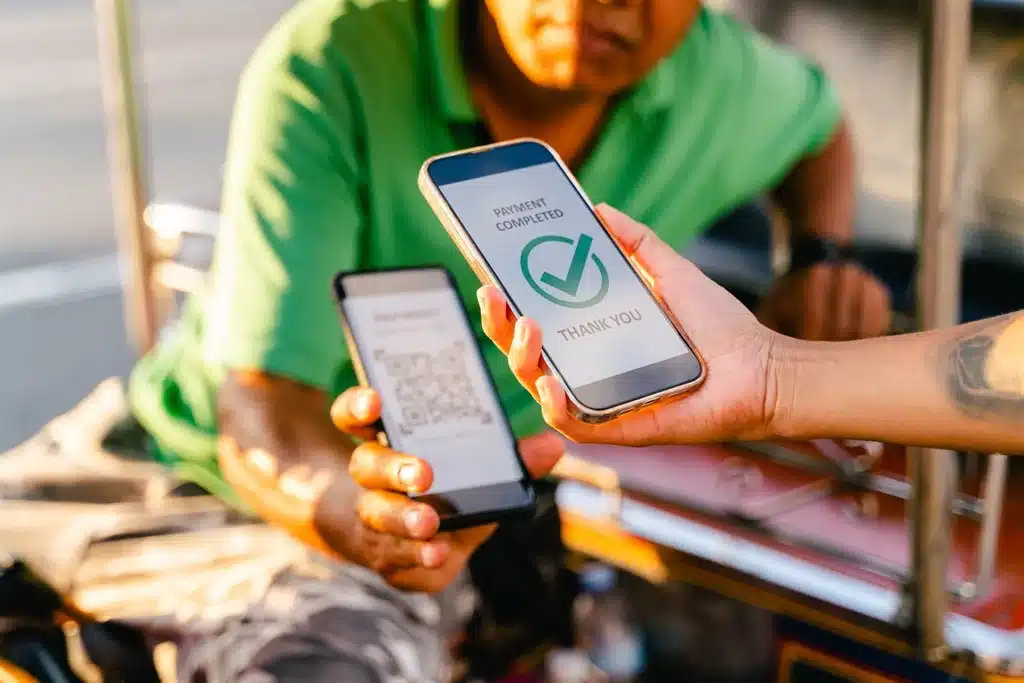
Margaret Kanini, a shopkeeper in Nairobi, captures this shift clearly. She no longer needs to walk into a bank or even maintain a traditional bank account to restock her shop and settle bills. Orders are placed by phone, delivered by boda boda riders, and payments are completed instantly through mobile money platforms that are often integrated directly into suppliers’ bank accounts.
Kanini notes that even her customers increasingly prefer mobile money over cash, highlighting how instant payments have penetrated low income communities and users previously excluded from formal banking. This everyday convenience has become one of the strongest drivers of adoption.


Transaction Values More Than Double in Four Years
The numbers behind Africa’s instant payment growth are striking. Total transaction value has more than doubled from US$775.7 billion in 2020 to US$1,980.6 billion in 2024. This expansion has been driven by falling transaction costs, improved digital infrastructure and rapid technological innovation.
Fintech firms are now able to plug directly into national financial switches, reducing barriers to entry and improving interoperability. These national scale payment systems ensure that anyone within a country can pay anyone else, regardless of whether they hold a bank account or use a non bank provider. Funds move instantly and are immediately accessible, making digital payments both practical and attractive.
Africa’s instant payment infrastructure is expanding at a remarkable pace. Between January and June 2025, the report tracked 36 live national scale retail payment systems operating across 31 African countries. Five of these systems were launched within the last twelve months, marking the largest annual addition since tracking began in 2022.
New entrants include Eswatini’s Fast Payment Module, Switch Mobile in Algeria, LYPay in Libya, the Salon Payment Switch in Sierra Leone and the Somalia Instant Payment System. Four of these systems enable interoperability between banks and non bank providers, a critical feature for inclusivity. As a result, the number of African countries with domestic instant payment functionality has risen to 25.
Nigeria’s Instant Payment system operated by NIBSS has emerged as the first African inclusive instant payment system to achieve mature inclusivity, setting a benchmark for others across the continent.
Closing the Financial Inclusion Gap
Despite rapid progress, financial exclusion remains a challenge. By the end of 2024, AfricaNenda reported that 42 percent of Africans aged 15 and older lacked a bank account or mobile wallet. Nearly half had not made or received a digital payment.
Instant payments are increasingly seen as a bridge to close this gap. By lowering costs and removing the need for traditional banking relationships, these systems are drawing millions into the digital economy. Central banks and regulators are therefore under pressure to deepen collaboration and ensure these platforms scale sustainably.
Building a Cross Border Instant Payment Ecosystem
Beyond national systems, Africa is accelerating efforts to link instant payment platforms across borders. Regional integration is becoming a priority as trade, migration and remittances continue to grow.
Rwanda and Tanzania have begun bilateral discussions to link their national payment switches, enabling instant and low cost cross border transfers. This initiative is expected to open the door to a broader East African regional instant payment system. Similar efforts are underway across the continent, reflecting a shared ambition to create seamless payment corridors.
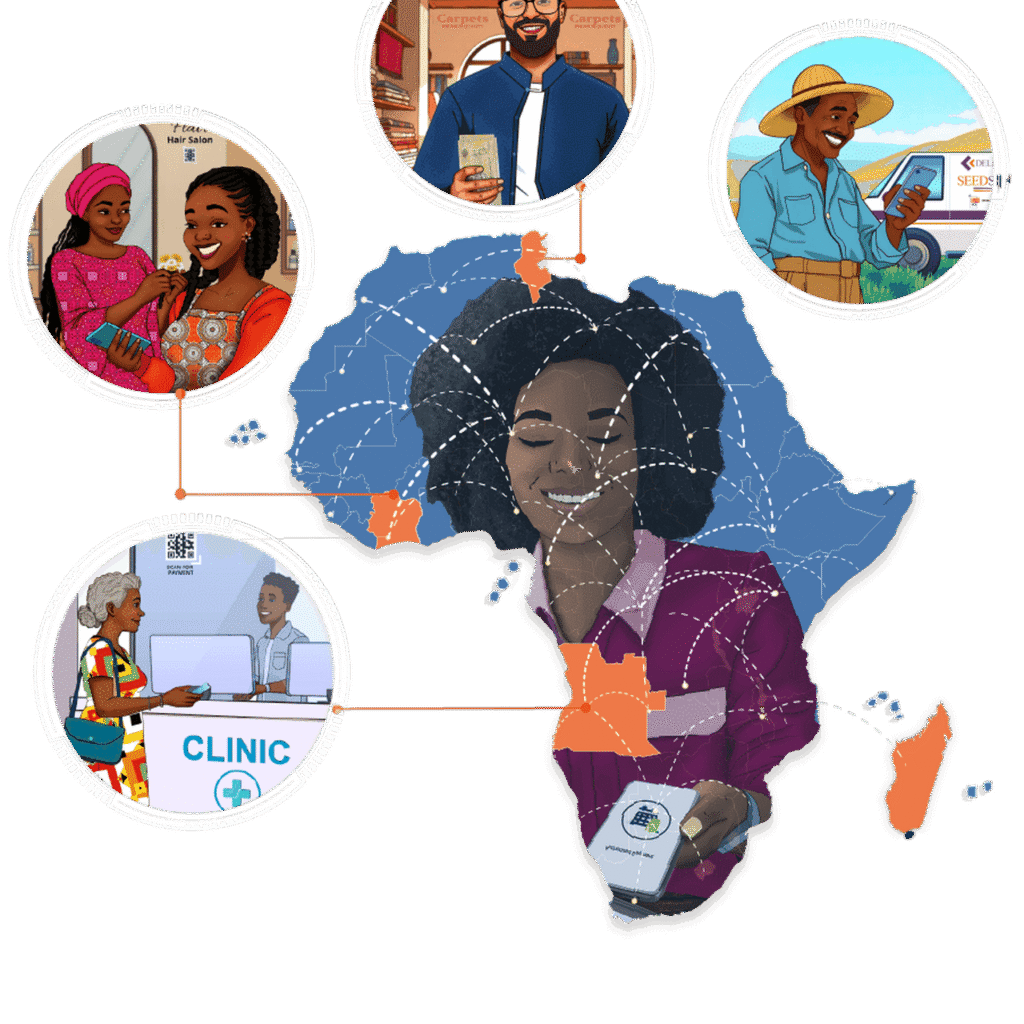
Private sector players are also playing a key role. Ecobank has partnered with global payment infrastructure firm Thunes to activate instant cross border payments across its 32 country footprint, starting with Togo. The partnership aims to expand real time financial access for individuals and businesses while supporting Africa’s growing digital economy.
Existing regional systems such as GIMACPAY, PAPSS and the SADC Instant Payment System already cover large parts of Central, West and Southern Africa. Additional blocs including COMESA, EAC, ECOWAS and WAEMU are at various stages of developing their own cross border payment frameworks.
As these systems mature and interconnect, Africa moves closer to a unified instant payment ecosystem. Nearing the two trillion dollar mark, instant payments are no longer just a financial innovation. They are becoming a foundation for inclusive growth, regional trade and economic transformation across the continent.
READ ALSO:IMF Mission Signals New Phase of Economic Restructuring in Ghana