Dr. Ekua Odoom, an Environmental Scientist at the Institute of Environment and Sanitation Studies (IESS), University of Ghana, has sounded a critical alarm regarding the rapid expansion of illegal small-scale mining, known locally as galamsey, which now plagues 14 out of Ghana’s 16 regions.
This geographical saturation signifies a national crisis that transcends simple environmental concern, evolving into what can be described as systemic “environmental terrorism” affecting the core of the nation’s natural resource stability.
Dr. Odoom identifies a cluster of five critical environmental challenges currently confronting the nation: plastic pollution, climate change, illegal mining, biodiversity loss, and land degradation.
“Currently we are confronted by five key environmental issues, including plastic pollution, climate change, illegal mining, biodiversity loss, and land degradation. You also realize that when it comes to the issue of Galamsey, it’s actually contributing to biodiversity loss and land degradation. Currently, about 14 out of our 16 regions is being heavily impacted by Galamsey activities.”
Dr. Ekua Odoom

Within this framework, she characterizes galamsey as a primary driver that intensifies the country’s struggle with “environmental management,” specifically by accelerating the destruction of ecosystems and the depletion of arable land across almost the entire Ghanaian landscape.
The pervasiveness of these illicit mining activities has triggered a domino effect of ecological and socioeconomic “impact of these galamsey activities,” most notably the catastrophic pollution of Ghana’s major water bodies.
Dr. Odoom emphasizes that the reach of this crisis is no longer confined to traditional mining hubs, as the “regional scope of the impacts” has widened to include nearly every administrative territory.
This expansion has led to a dire public health emergency characterized by an “increase in respiratory and some neurological diseases” linked to the heavy metals utilized in gold processing.
Perhaps most distressing is the documented “instances that kids are born with all sort of deformities,” a tragic consequence of maternal exposure to toxic pollutants like mercury and lead.
This generational health crisis, coupled with the loss of biodiversity, highlights the urgent necessity for a radical shift in how the state addresses the extractive sector’s unregulated shadow economy.
Toxic Legacy of Heavy Metal Contamination
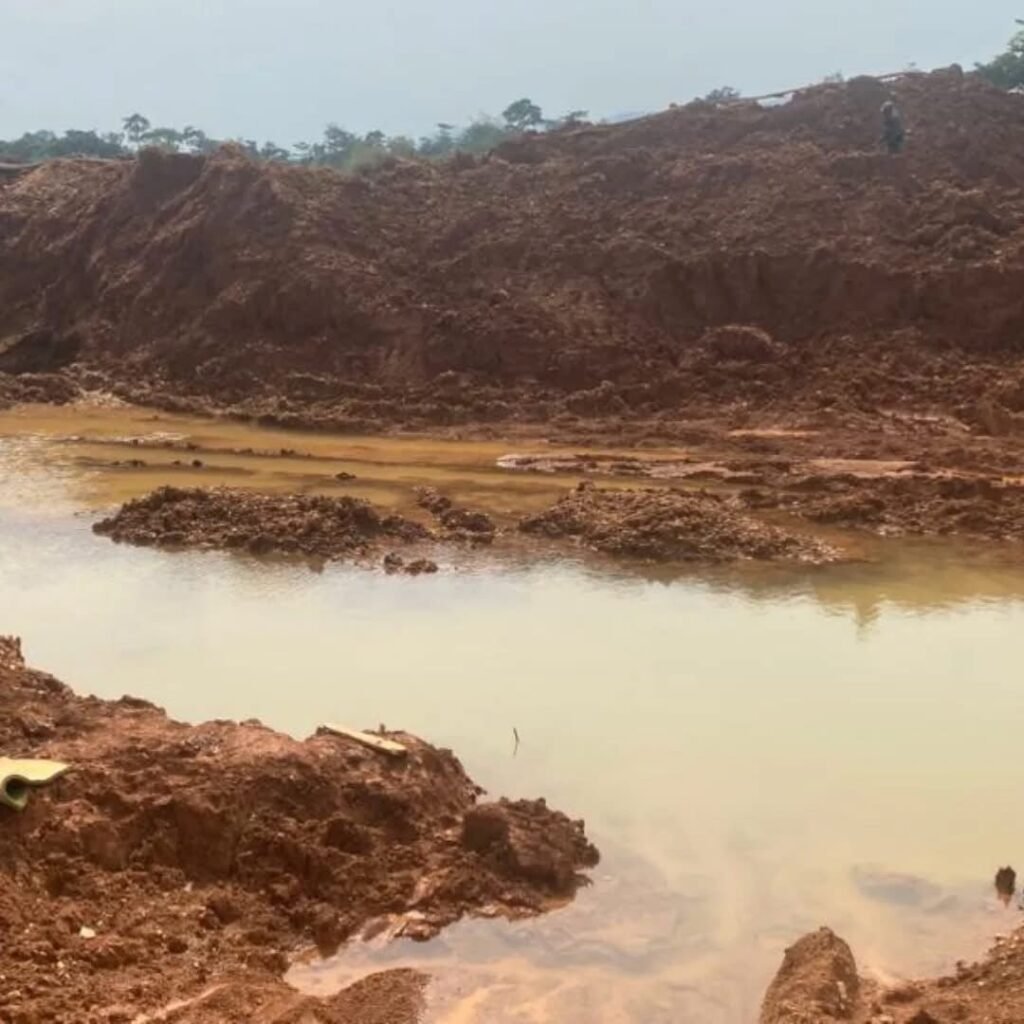
The environmental footprint of galamsey is defined by the unregulated discharge of hazardous chemicals primarily mercury, arsenic, and cyanide into the nation’s drainage basins.
These substances do not remain localized; they bioaccumulate in the aquatic food chain and seep into groundwater, creating a “toxic legacy” that persists long after mining has ceased.
Research indicates that the neurological impacts mentioned by Dr. Odoom are often the result of chronic mercury poisoning, which attacks the central nervous system and leads to permanent cognitive and motor impairments.
The sheer scale of “land degradation” across 14 regions means that vast stretches of once-fertile topsoil have been stripped away, leaving behind lunar landscapes of open pits and silted rivers.
This loss of land viability directly threatens the structural integrity of the agricultural sector, as farmers in these impacted zones find their cocoa and food crops failing due to high soil toxicity.
Socioeconomic Erosion and Livelihood Displacement
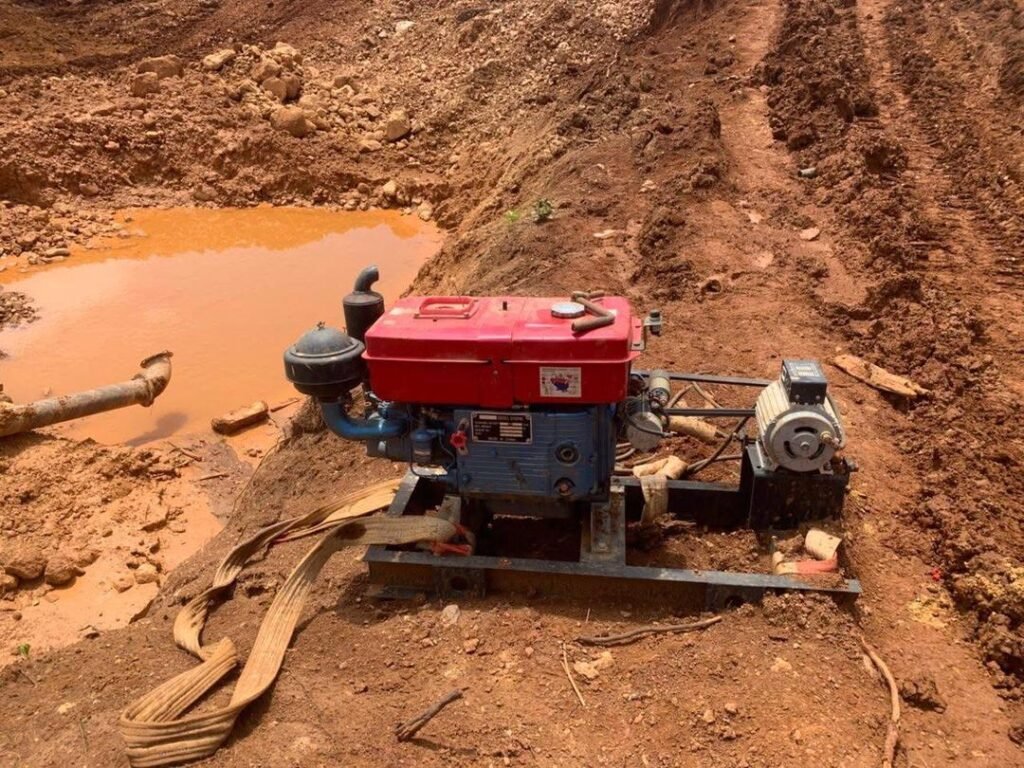
For the rural populations residing in these 14 impacted regions, galamsey represents a violent disruption of traditional livelihoods and economic security.
While the illicit trade offers a fleeting promise of gold wealth, it simultaneously destroys the long-term viability of farming and fishing, which are the primary employers in the Ghanaian hinterland.
The “environmental terrorism” of galamsey displaces thousands of smallholder farmers who can no longer compete with the physical destruction of their acreage or the rising cost of living in mining enclaves.
Furthermore, the pollution of rivers like the Pra and Birim has decimated local fishing industries, forcing communities to rely on expensive, imported water and food.
This socioeconomic erosion creates a cycle of poverty and health dependency, as local clinics are overwhelmed by patients suffering from the “respiratory and neurological” conditions identified by Dr. Odoom, further straining the nation’s fragile healthcare infrastructure.
A Call for Swift Eliminatory Measures
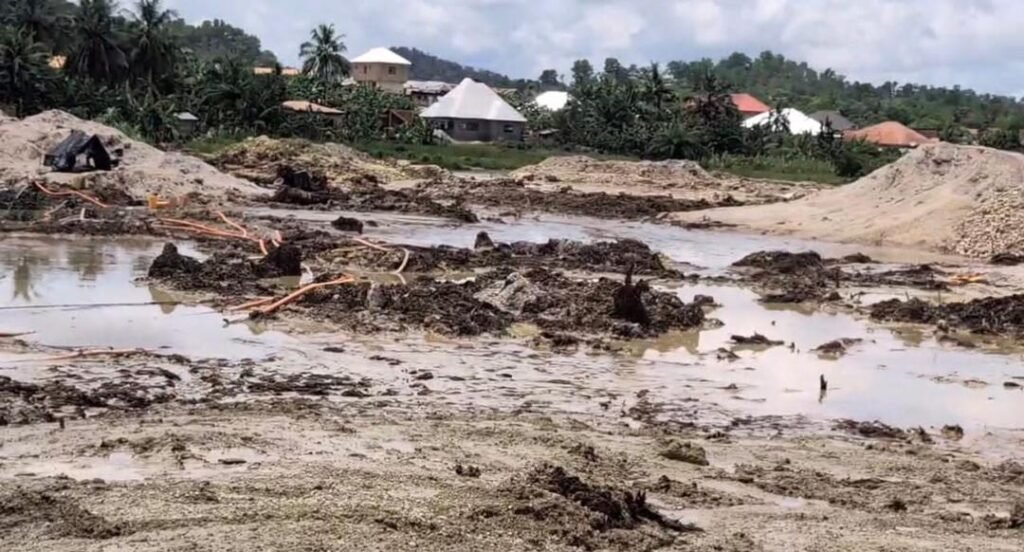
Eliminating the scourge of galamsey requires more than periodic military interventions; it demands a comprehensive and “swift” policy framework that prioritizes ecological restoration and strict legal enforcement.
Dr. Odoom suggested that the government must address the “environmental management” deficit by implementing mandatory land reclamation projects and permanent surveillance in the 14 affected regions.
The transition from “environmental terrorism” to sustainable resource use necessitates the empowerment of local authorities and the provision of viable alternative livelihoods for those currently trapped in the illegal mining cycle.
Protecting the remaining two unaffected regions and reclaiming those already under siege is not merely a policy choice but a fundamental necessity for national survival.
Without immediate action to halt the pollution of water bodies and the destruction of biodiversity, Ghana faces a future where its natural heritage and the health of its future generations are permanently compromised.
READ ALSO: Shatta Wale and Kwawkese Lock Horns in Explosive Social Media Feud Over Money and Sense