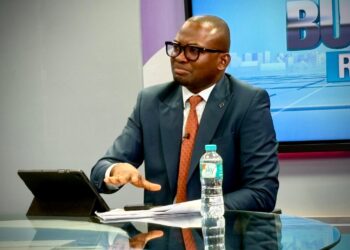
Finance Analyst Richmond Eduku has mounted a robust defense of the Bank of Ghana’s (BoG) decision to rebalance its reserve portfolio, characterizing the reduction of physical gold holdings as a vital move for national economic stability.
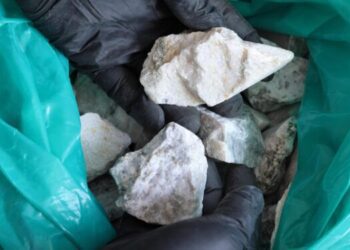
This strategic shift, which saw gold reserves maintained at a buffer of 18.6 tonnes by December 2025, is framed as an intentional transition from holding “idle” assets to prioritizing liquid resources that can actively defend the local currency.
By diversifying the central bank’s balance sheet, the BoG has aimed to mitigate the limitations of high gold concentration, ensuring that Ghana’s wealth is not merely symbolic but serves as a functional tool for market intervention.
“The lesson is clear: resources are meant to work, not remain idle. While gold lying in vaults may have symbolic value, it achieves little if it does not actively support the economy, stabilise the currency, and ease the burden on ordinary citizens. Holding an excessive proportion of gold limits liquidity and flexibility because it cannot always be deployed quickly in times of economic need.”
Richmond Eduku
The reallocation of these assets has directly contributed to a more resilient macroeconomic environment, evidenced by the growth of total international reserves from US$9.3 billion in late 2024 to US$13.8 billion by the end of 2025.
This liquidity surge provided the “financial buffer” necessary to facilitate a dramatic drop in inflation from 23.8% to 5.4%, while allowing the Monetary Policy Rate to be slashed to 18%.
By aligning with the strategies of peers like Chile and Brazil who typically hold only 20–25% of reserves in gold the BoG has enhanced its capacity to meet external obligations and “instil confidence in investors” through a more flexible and responsive fiscal framework.
Clearing Arrears and Restoring Credibility
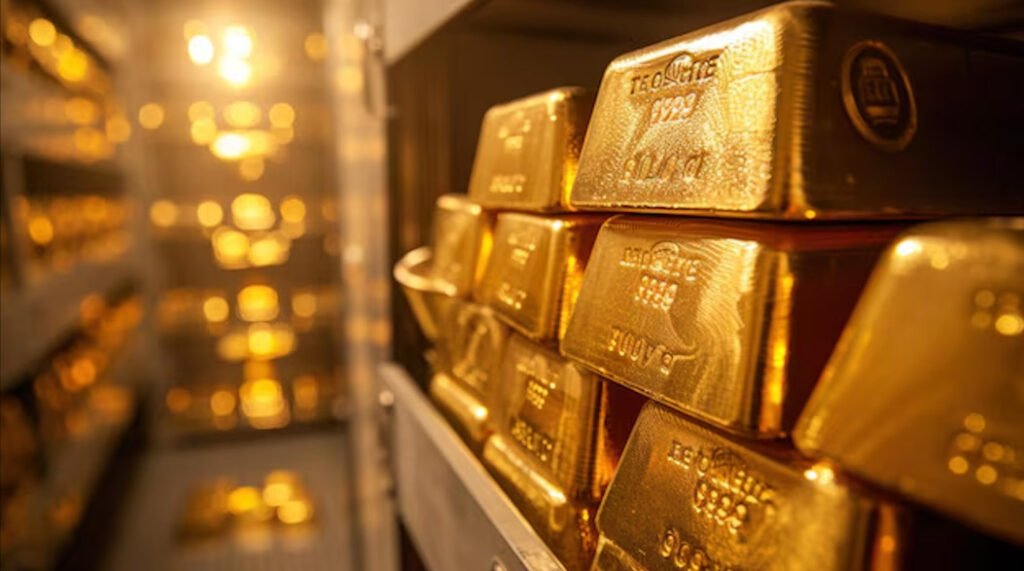
This “strategic management” has allowed the government to address a backlog of staggering debts that had previously hindered domestic growth.
With the liquidity afforded by a diversified reserve, the administration was able to tackle GH¢67.5 billion in central government arrears and allocate GH¢13 billion in the 2025 Budget specifically for verified contractor claims.
These actions demonstrate a “strong commitment to external debt servicing,” highlighted by the successful payment of US$1.17 billion in Eurobond obligations, which has effectively restored Ghana’s standing in the eyes of the global financial community.
The energy sector, often the “Achilles’ heel” of the Ghanaian economy, also saw significant relief through the settlement of US$1.47 billion in legacy debts.
By clearing outstanding gas invoices to ENI and Vitol and fulfilling Independent Power Producer (IPP) obligations, the government has used its liquid reserves to “revive critical energy supply infrastructure.” This move proves that reducing gold percentages in favor of liquid cash is a pragmatic method to honor foreign supplier contracts and ensure “industrial stability.”
Strategic Alignment with Global Peers
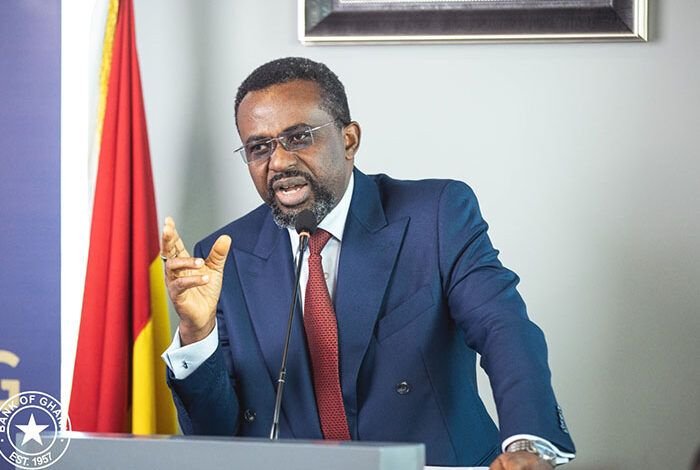
From the perspective of an extractive expert, the reduction in gold tonnage is a move toward international best practices rather than a sign of economic weakness.
By maintaining a target of 18.6 tonnes of gold, the BoG ensures a “substantial gold buffer” remains while the bulk of the reserves are diversified into foreign currency assets to “support liquidity and generate returns.”
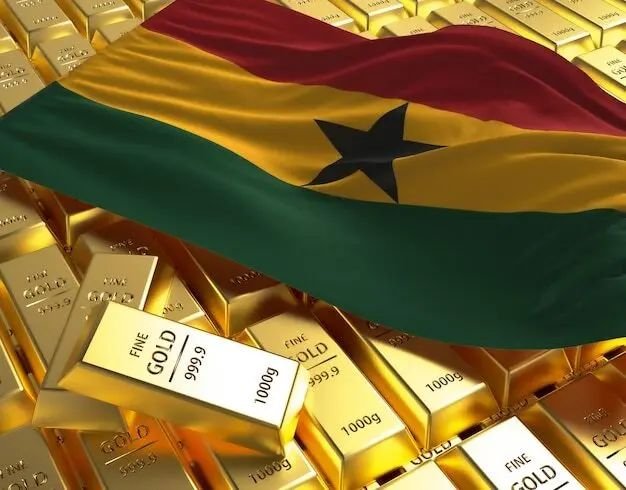
This model mirrors the successful frameworks of other mineral-rich nations, proving that a diversified portfolio “strengthens security” by providing the central bank with multiple levers to pull during periods of volatility.
Ultimately, the data from 2025 suggests that the transition has been a success, trading static bullion for “active economic support.”
As the country moves forward, the focus remains on ensuring these resources do not sit idle but continue to “ease economic pressure on citizens.”
This evolution in reserve management marks a sophisticated departure from traditional hoarding, positioning Ghana as a modern player in the global extractive and financial markets.
READ ALSO: COMAC Warns Public After Panpaso Fuel Tanker Acciden