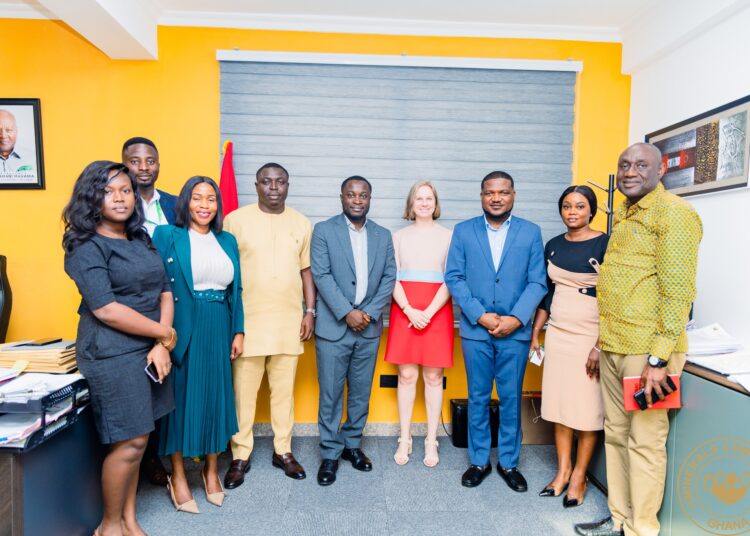
Minerals Commission has initiated a strategic partnership with the World Bank, marking a pivotal step in strengthening Ghana’s mining governance framework through advanced land administration systems and enhanced institutional collaboration.
This high-level engagement seeks to position the country as a leader in sustainable resource management by integrating international best practices into the local extractive sector.
By aligning global standards with domestic goals, the collaboration is set to redefine how the nation manages its mineral wealth for long-term socio-economic growth.
“The engagement provided a valuable platform to highlight Ghana’s progress in building a modern, transparent, and technology-driven mining regulatory regime that promotes sustainable investment and responsible resource management. The parties also explored ongoing and potential areas of collaboration between the World Bank and the Commission, with emphasis on institutional strengthening, digital transformation, and sustainable mining governance.”
Minerals Commission
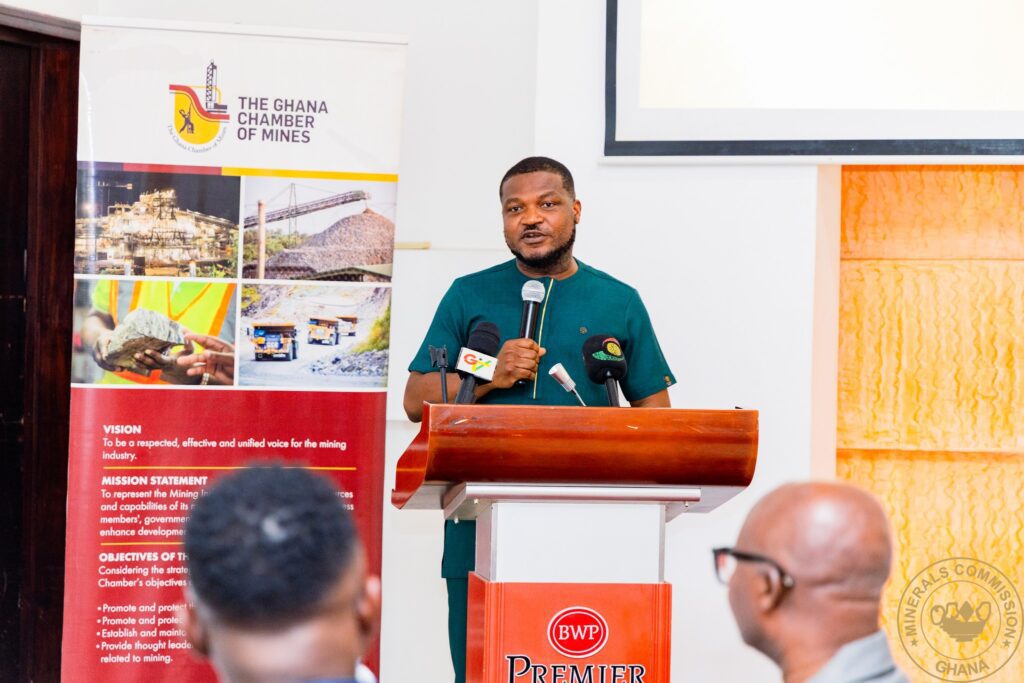
This partnership expands upon Ghana’s ongoing commitment to building a “modern, transparent, and technology-driven” mining regulatory regime that attracts responsible investment while safeguarding the nation’s interests.
Discussions between the two institutions focused heavily on the refinement of registration and licensing processes, aiming to enhance efficiency and accountability across the entire sector.
Furthermore, the collaboration aims to institutionalize sustainable mining governance, drawing on the expertise of the World Bank to bolster the operational capacities of key regulatory bodies.
Digital Transformation and Regulatory Efficiency
The cornerstone of this modernization effort is the Minerals Commission’s push toward full automation, spearheaded by the implementation of the Mining Cadastre Administration System (MCAS).
This digital transition is revolutionary for mineral rights administration, moving away from cumbersome manual processes toward a streamlined, accessible, and error-free digital environment.
By digitizing the licensing registry, the Commission is effectively reducing the information asymmetry that often hampers investor confidence.
Furthermore, the integration of a “One-stop-shop” framework, developed alongside the Environmental Protection Authority, the Water Resources Commission, and the Forestry Commission, is expected to be a game-changer.
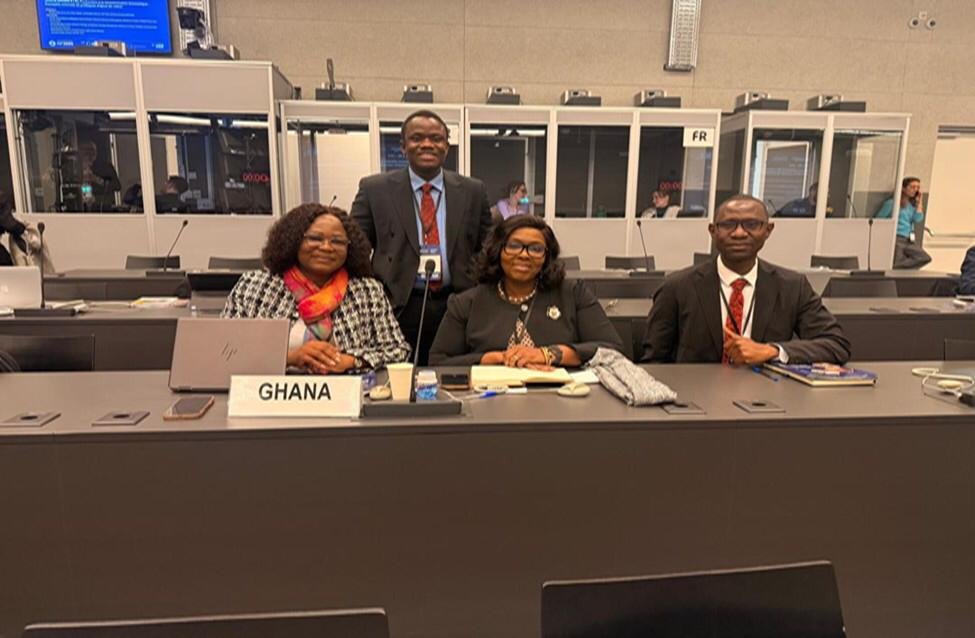
This inter-agency synergy will drastically reduce processing timelines, providing investors with a seamless path toward compliance.
As the industry moves toward these digital solutions, the predictability and transparency of Ghana’s regulatory landscape will significantly enhance its competitiveness on the global stage.
Empowering Small-Scale Mining and Compliance
Beyond large-scale regulation, the partnership places special emphasis on the formalization and support of the small-scale mining sub-sector. Initiatives such as rCOMSDEP (Responsible Cooperative Mining and Skills Development Programme) and NAIMOS are critical to these efforts, serving as frameworks to bring responsible practices to the grassroots level.
Through these programs, the Commission is focused on providing small-scale miners with the training, innovation, and support necessary to transition from informal operations to organized, cooperative, and environmentally conscious mining businesses.
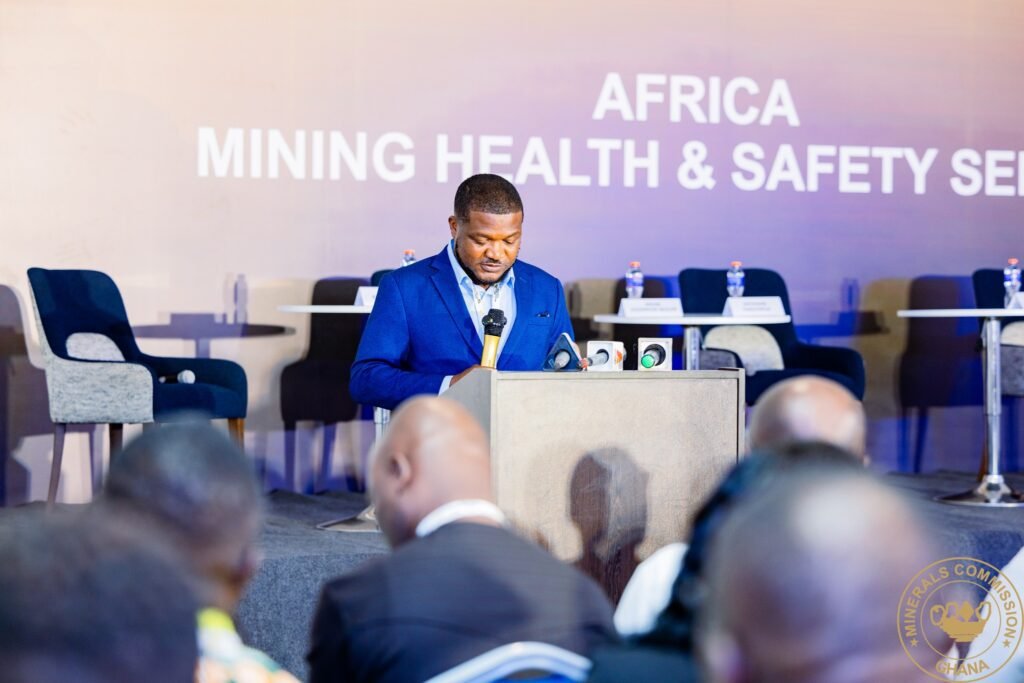
This focus is essential for community development, as it ensures that the benefits of mining are felt locally while mitigating environmental degradation.
By embedding compliance directly into the operational model of small-scale miners, the Commission is creating a resilient sector that operates under the rule of law.
This structured approach not only protects natural resources but also fosters alternative employment opportunities for the youth and women in mining communities, thereby curbing illegal mining activities.
Strengthening Ghana’s Global Investment Status
The synergy between the Minerals Commission and the World Bank promises to have a profound impact on Ghana’s mining sector by fostering a climate of trust and reliability.
A robust governance framework serves as the foundation for attracting credible international investors who prioritize environmental, social, and governance (ESG) standards.
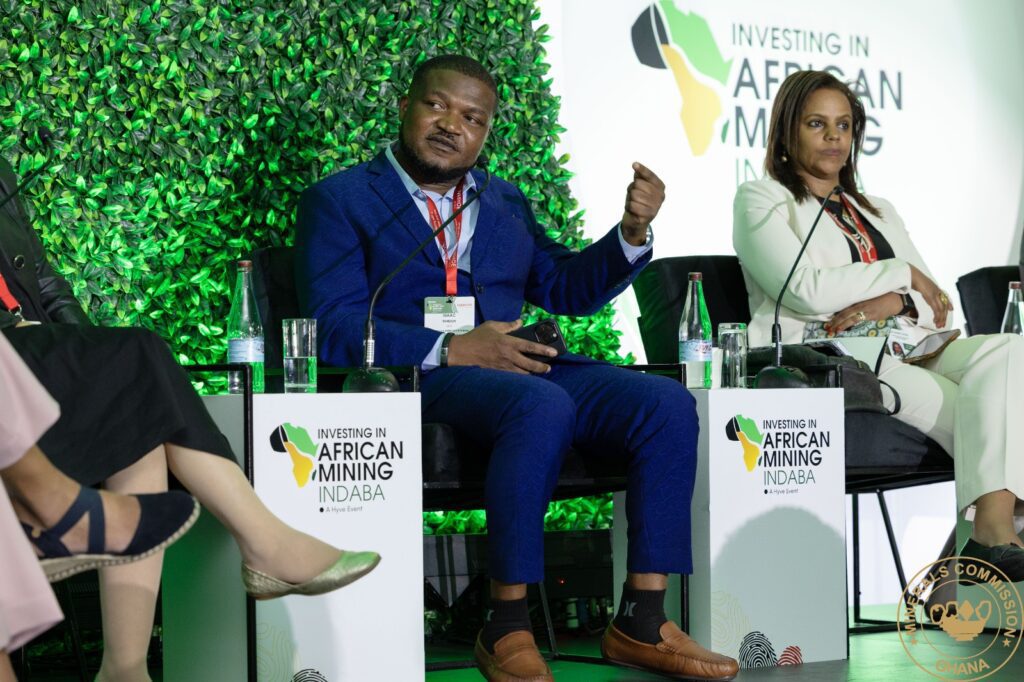
As the Commission continues to leverage these institutional reforms, the cumulative effect will likely be a surge in high-quality investments that contribute meaningfully to the national economy.
Moreover, the emphasis on “inter-agency coordination” ensures that the complexity of modern mining which intersects with forestry, water management, and community livelihoods is managed holistically.
This multi-stakeholder approach minimizes conflicts and streamlines project approvals, making Ghana a preferred destination for global mining capital.
By championing innovation and maintaining a steadfast commitment to reform, the Minerals Commission is successfully steering the extractive sector toward a future defined by sustainability, prosperity, and world-class administrative standards.
READ ALSO: Pollster Says 1.5m Young Voters Will Decide Ghana’s 2028 Election