Chamber of Oil Marketing Companies (COMAC) has strongly advocated for an energy transition strategy that aligns with African economic realities rather than western-imposed models, warning that a rushed shift away from fossil fuels could jeopardize continent-wide development.
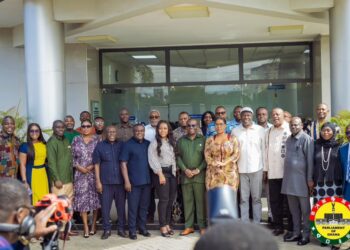
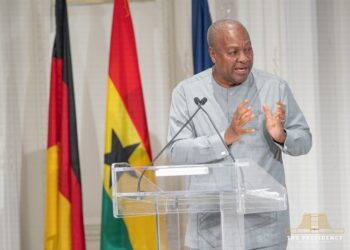
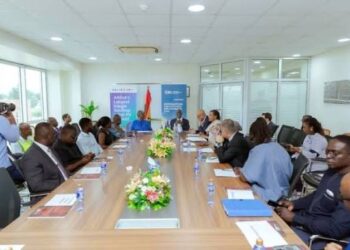
Speaking at the 3rd Ghana Biennial International Summit and Exhibition (GHBISE 2026), the chamber CEO, Dr Riverson Oppong emphasized that true sustainability cannot be achieved at the expense of energy security and industrial growth.
The energy collective noted that while reducing emissions remains a global priority, the immediate focus for developing African nations must be a structured approach that tackles widespread energy poverty and leverages existing oil and gas assets to build long-term economic resilience.
“He [Dr Riverson Oppong] emphasized that Africa’s energy transition must reflect Africa’s realities — one that balances sustainability with energy security, industrial growth, and inclusion. He noted that oil and gas remain critical to financing development, expanding infrastructure, supporting power generation, and enabling the continent’s long-term transition to cleaner energy systems.”
Chamber of Oil Marketing Companies (COMAC)
Expanding on this position, the domestic downstream energy representative asserted that zero-emission timelines must coexist with infrastructure development and baseline grid stability across sub-Saharan economies.
COMAC CEO explained that fossil fuels, specifically crude oil and natural gas, remain foundational pillars required to finance public infrastructure, expand local manufacturing capabilities, and bridge the massive power deficits currently hindering local businesses.
By implementing a gradual, practical approach, regional governments can systematically build the domestic capacity and technical framework necessary to support a full-scale integration of renewable systems in the future.
Unlocking Local Economic Potentials Through Strategic Fossil Financing
Maximizing existing hydrocarbon resources offers African nations a self-sustaining financial framework to fund public services and build resilient economic structures without relying entirely on volatile foreign aid.
According to energy sector data, domestic revenue generated from oil and gas exports serves as the primary capital source for state-backed infrastructural developments, spanning from modern transportation networks to scalable healthcare facilities.
A pragmatic approach protects these state revenues, allowing national budgets to remain stable while domestic industries slowly adjust to evolving global standards.

Furthermore, retaining oil and gas investments within the continent accelerates local capacity development and promotes technological innovation.
By keeping local supply chains active, domestic businesses, engineering firms, and technical service providers have a reliable market to sharpen their expertise and scale operations.
This steady industrial activity prevents sudden capital flight and mass layoffs in countries heavily reliant on mineral resources, ensuring that the economic transition remains stable, secure, and entirely supportive of indigenous market participants.
Natural Gas as the Anchor for Grid Stabilization and Industrial Growth
Natural gas stands out as the ultimate transitional fuel capable of providing consistent, baseload electricity to power heavy industrial zones and expanding urban centers across the continent.
Unlike intermittent renewable sources like solar and wind, gas-fired power plants offer a continuous supply of electricity that stabilizes fragile national grids and shields local factories from disruptive blackouts.

This reliable power supply lowers the overall cost of doing business, making local manufacturing competitive enough to attract robust international investments.
In addition to grid stabilization, natural gas serves as a crucial raw material for producing nitrogen-based fertilizers, directly boosting agricultural productivity and securing food supplies for a rapidly growing population.
Clean cooking initiatives powered by Liquefied Petroleum Gas (LPG) also deliver profound social benefits by replacing hazardous biomass and wood fuels in rural homes.
This simple domestic shift drastically minimizes indoor air pollution, protects public health, and slows down deforestation, proving that fossil derivatives play an immediate role in improving environmental standards.
Fostering Socio-Economic Inclusion and Resource Equity for Host Communities
A gradual and well-calibrated shift toward cleaner energy systems safeguards the livelihood of marginalized groups, including women, youth, and host communities who rely on traditional energy value chains.
By prioritizing local content regulations and inclusive corporate governance, regional energy operations ensure that community stakeholders receive equitable shares of resource wealth through jobs, scholarships, and localized business contracts.

This deep inclusion transforms vulnerable host communities into active economic partners, reducing civil unrest and fostering long-term regional stability.
Empowering the next generation of African engineers and young energy professionals guarantees that the continent retains full ownership of its technical future.
A measured transition gives academic institutions and vocational schools the necessary time to restructure their curricula, transitioning smoothly from petroleum-focused training to advanced renewable systems engineering.
This deliberate educational alignment prevents widespread structural unemployment among youth, equipping them with practical, forward-looking skills that keep African economies highly competitive in the global market.
READ ALSO: UK Accuses Russia of Undermining Peace Efforts in Ukraine