Africa’s new energy financing institution begins its journey with a considerable challenge: turning an authorised capital base of US$5 billion into the much larger pool of investment needed to develop the continent’s energy infrastructure.
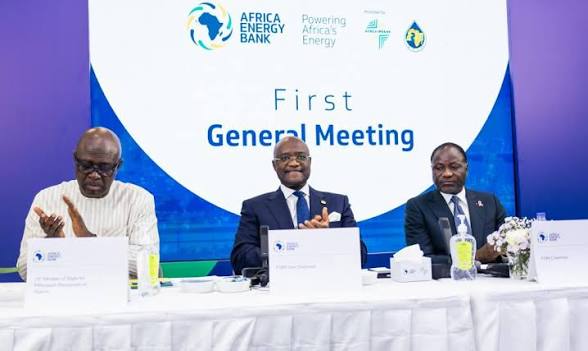
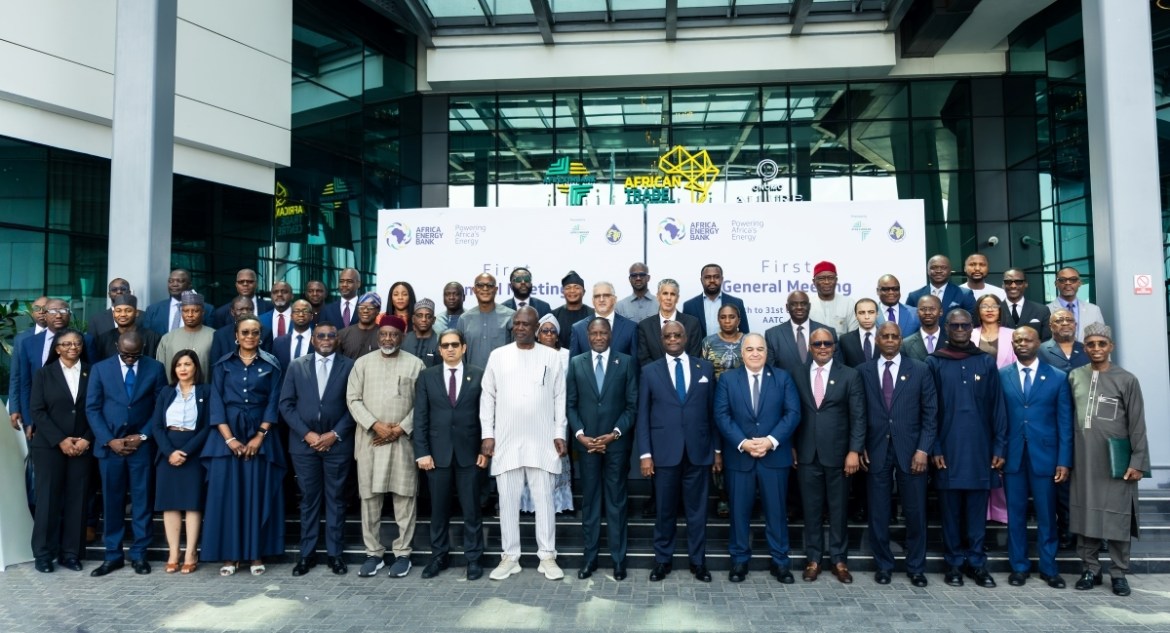
The Africa Energy Bank was formally established at its first general meeting in Abuja, Nigeria, with the African Export-Import Bank (Afreximbank) and the African Petroleum Producers’ Organisation (APPO) appointing Egyptian banker Helmy Ghazi as its inaugural president.
The institution is intended to address an estimated US$200 billion energy financing requirement at a time when several traditional international lenders have reduced their exposure to oil and gas projects.
Its establishment gives African governments and energy producers a dedicated financing platform, but the difference between its authorised capital and the continent’s estimated investment needs raises an immediate question about its capacity to mobilise additional funding.
The bank’s success will therefore depend not simply on the capital announced at its establishment, but on whether it can attract other investors, structure commercially viable transactions and manage the risks associated with financing energy projects across different African markets.
A Financing Gap Larger Than The Bank
Africa’s energy investment needs extend across electricity generation, transmission, petroleum infrastructure, refining, storage and distribution.
The estimated US$200 billion requirement reflects the scale of investment needed to expand energy access, strengthen supply systems and support industrial development.
The new institution is expected to finance projects across the entire energy value chain, including exploration, production, transportation, processing, refining and distribution. Its mandate also covers electricity generation and transmission infrastructure.
Afreximbank and APPO said the institution was created to respond to the financing constraints facing African energy producers and governments.
“The Africa Energy Bank aims to bridge this financing gap while supporting a just energy transition for African countries,” the two organisations said in a joint statement.
That ambition, however, will require the bank to operate beyond the limits of its initial capital. Its authorised US$5 billion represents only a fraction of the continent’s estimated financing requirement, making capital mobilisation and partnerships central to its future lending capacity.
The bank is expected to draw funding from African governments, national oil companies, commercial financial institutions and private investors.
It may also need to deploy guarantees, structured finance and risk-sharing arrangements to attract lenders that remain cautious about the risks of energy projects in emerging markets.
Can African Capital Replace Retreating Lenders?
The institution’s establishment reflects a wider concern among African petroleum-producing countries about the changing availability of international finance.
Several Western banks and development financiers have tightened or withdrawn support for fossil-fuel projects in response to climate commitments and shareholder pressure.
For countries still seeking to expand electricity access, develop domestic gas resources and build petroleum infrastructure, that shift has created additional financing constraints.
APPO, which has 18 member countries, has argued that international climate-finance policies should take account of Africa’s development circumstances, including widespread energy poverty and the continent’s relatively small historical contribution to global emissions.
The Africa Energy Bank is intended to provide an alternative source of capital, particularly for projects that may struggle to secure financing through conventional international channels.
But the challenge is not simply to replace one source of funding with another. African projects must still demonstrate commercial viability, credible repayment arrangements and manageable political, regulatory and currency risks.
The bank will have to balance its development mandate with sound lending standards. Financing projects primarily because they serve national priorities, without adequately assessing their financial sustainability, could expose the institution to losses and undermine investor confidence.
Refining And Energy Security At The Centre
One of the bank’s potentially significant contributions lies in financing infrastructure that allows African countries to retain more value from their natural resources.
Despite the continent’s substantial crude oil and natural gas reserves, inadequate refining, storage and transportation capacity has left several producers dependent on imported refined petroleum products.
This arrangement can increase exposure to international price movements, foreign-exchange pressures and disruptions in global supply chains.
Financing refineries, processing facilities and distribution infrastructure could help address some of these vulnerabilities while supporting greater intra-African energy trade.
The bank’s mandate also reflects the growing importance of reliable electricity supply to industrialisation and emerging technologies.
Afreximbank and APPO specifically highlighted the growing electricity requirements associated with artificial intelligence and other technological developments.
They said the institution’s creation recognises that:
“Significant investments in energy generation and transmission are required to accelerate industrial growth and leverage the tremendous opportunities presented by emerging technologies, particularly artificial intelligence.”
This places electricity infrastructure alongside petroleum development in the bank’s investment priorities. It also broadens the institution’s potential relevance beyond the financing needs of oil-producing countries.
Governance Will Determine Investor Confidence
The appointment of Helmy Ghazi provides the institution with an experienced banking executive to lead its initial operations.
Mr Ghazi previously served as Deputy Chief Executive Officer, Managing Director and Head of Global Banking at HSBC Bank Egypt. He brings more than 25 years of banking experience, including work in international markets, institutional relationships, investment development and risk management.
His immediate task will include establishing the bank’s operational structure, mobilising subscribed capital and developing a pipeline of commercially viable projects.
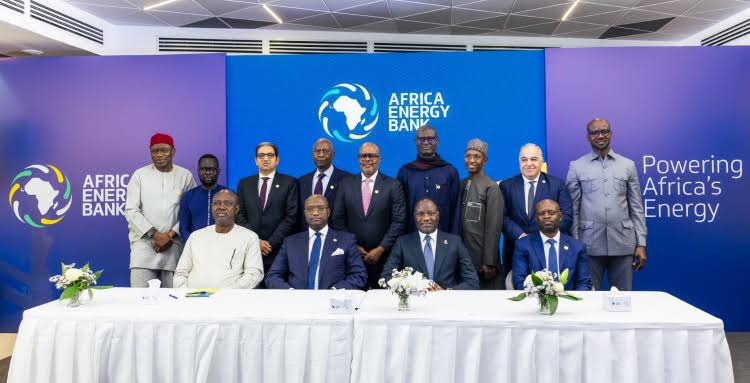
The first Board of Directors has also been constituted, with representatives from Africa’s public and private sectors and leading policy institutions.
These arrangements will be important in determining how the bank assesses projects, allocates capital and maintains accountability across its operations.
Its independence as a supranational pan-African institution will also be tested by the interests of participating governments and other shareholders.
The bank has been under development since 2022, when Afreximbank and APPO began discussions about creating a dedicated financing institution.
Nigeria was subsequently selected as the host country, with the headquarters located in Abuja. Afreximbank also emerged as a major financial backer, with reports in 2024 indicating approval of US$1.7 billion for investment in the institution.
The Transition Question
Although the bank is expected to support a just energy transition, its establishment comes amid continuing disagreements over the role of oil and gas in Africa’s development.
For many African economies, natural gas remains important for electricity generation, industrial activity and reducing dependence on more expensive or polluting fuels.
At the same time, renewable energy investment and the development of lower-carbon energy systems remain necessary parts of the continent’s long-term energy strategy.
The institution will therefore face pressure to demonstrate how its financing decisions can support immediate energy needs without disregarding the transition taking place globally.
Its stated ambition is to ensure that “Africa’s energy future is shaped by Africans.” Achieving that objective will require more than African ownership of the institution.
It will depend on whether African governments, businesses and investors can participate meaningfully in financing and delivering projects that produce measurable economic and energy benefits.
The Africa Energy Bank has now moved from institutional planning to formal establishment. Its next challenge is considerably more demanding: proving that it can mobilise capital beyond its US$5 billion authorised base, maintain credible lending standards and finance projects capable of strengthening energy security and industrial development across the continent.
The US$200 billion financing gap is the measure of the task ahead. The bank’s credibility will ultimately rest on how much of that gap it can help close.