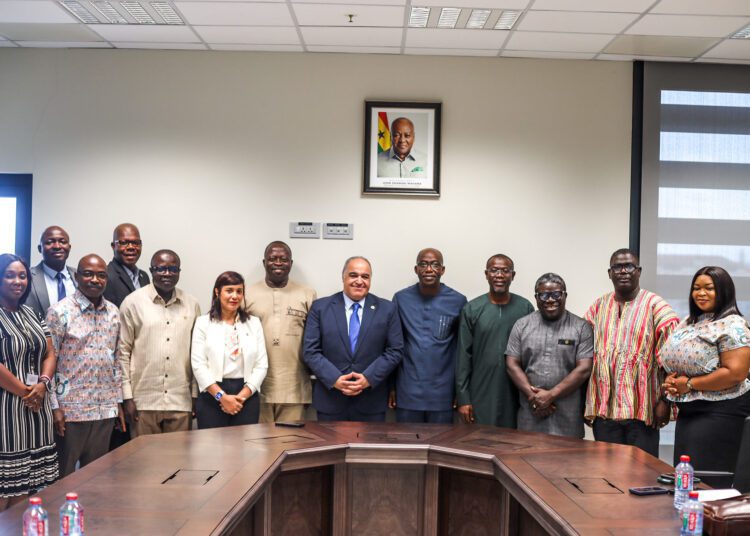
Ghana National Petroleum Corporation (GNPC) has entered into a strategic collaboration with the African Petroleum Producers’ Organisation (APPO) to accelerate the formal rollout and operationalisation of the highly anticipated African Energy Bank (AEB).
This institutional alliance was solidified during an executive summit hosted at GNPC’s ultra-modern Research and Technology Centre (RaTC) in Accra, where high-level delegates established a critical roadmap for the financial institution.
The joint initiative establishes a definitive framework designed to tackle Africa’s unique financing constraints by orchestrating capital mobilisation, designing governance frameworks, and streamlining member-state participation to bridge the continent’s funding gap prior to the bank’s official launching ceremony.
Led by GNPC Chief Executive Officer Mr. Kwame Ntow Amoah who simultaneously acts as the visionary Chair of the APPO NOC CEOs Forum the bilateral assembly expanded the technical blueprints required to operationalise the financial entity.
“GNPC remains committed to collaborative initiatives that support sustainable energy development, strengthen technical capacity, and create long-term value for the continent through stronger African partnerships. We are dedicated to alliances that advance Africa’s energy capabilities, foster knowledge exchange, and position the continent’s institutions to assume a more prominent role in the global energy landscape.”
Mr. Kwame Ntow Amoah

Alongside top executives including Deputy Chief Executive for Finance, Commercial & Administration, Mr. Hamis Ussif, and Deputy Chief Executive for Exploration & Production, Mr. Michael Aryeetey, the administrators detailed the specific sequencing of administrative and monetary activities essential for the formal takeoff.
APPO Secretary General H.E. Farid Ghezali, leading the visiting international delegation, actively championed this integrated financial model, affirming that “the African Energy Bank represents an important step toward creating African solutions for African energy development” while insisting that nations must continue to build local institutions to secure a collective energy future.
Accelerating Domestic Capital and Infrastructure Liquidity
The institutional deployment of the African Energy Bank provides Ghana’s domestic energy market with an unexampled mechanism to bypass international capital flight.
As global financial entities reduce capital allocations for traditional hydrocarbon infrastructure under strict green energy transitions, this regional alternative ensures uninterrupted funding. Through specialized funding pools, domestic exploratory ventures, petroleum pipeline construction, and infrastructure expansions can successfully access liquidity.
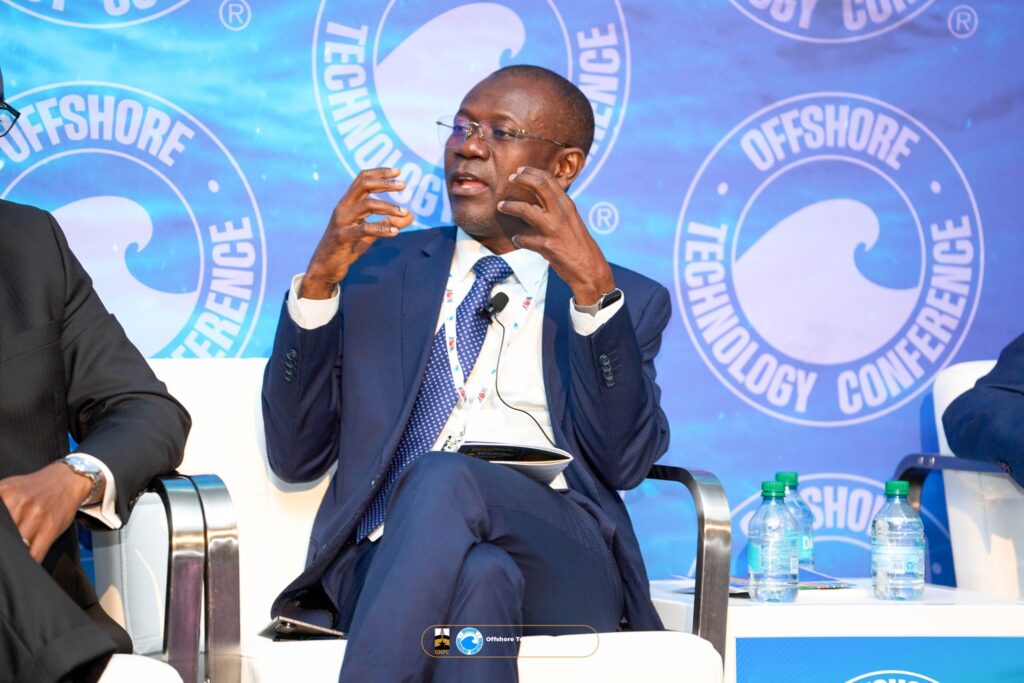
This localized investment framework directly shields the Ghanaian economy from foreign exchange vulnerabilities while boosting national reserve assets and securing sovereign energy sustainability.
Strengthening Regulatory Convergence and Local Industry Mastery
By unifying national energy strategies with regional frameworks, this multilateral cooperation establishes a highly harmonized regulatory terrain that drastically improves Ghana’s investment climate.
The structural integration minimizes bureaucratic bottlenecks and aligns local content strategies with international best practices, making domestic oil and gas fields significantly more competitive.
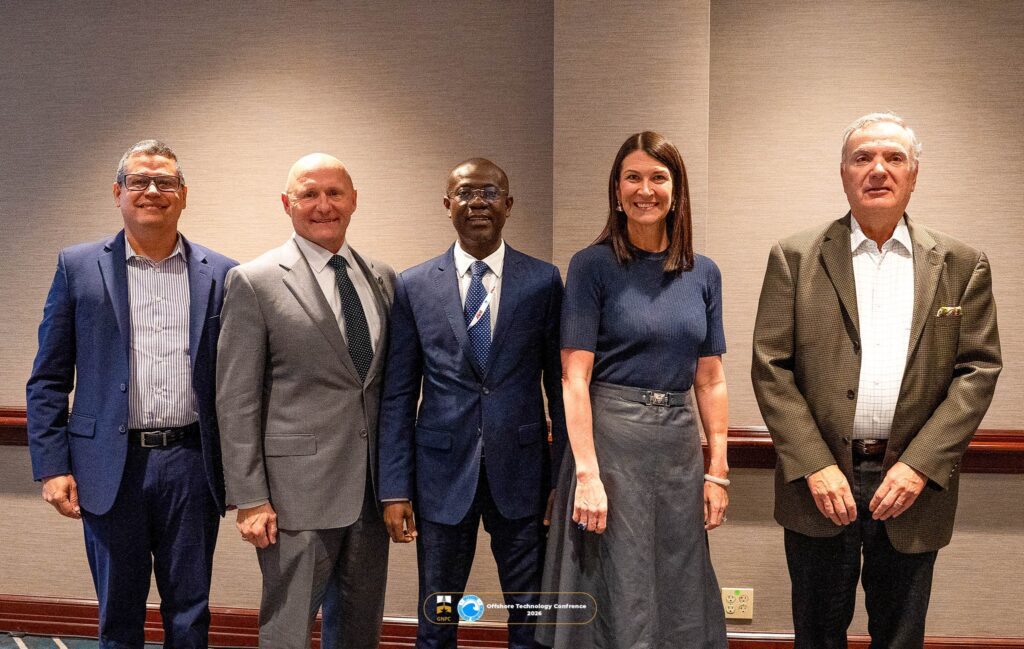
Furthermore, the partnership initiates an aggressive era of professional growth through technical exchange programmes and institutional knowledge sharing.
Leveraging GNPC’s advanced Research and Technology Centre (RaTC) allows local engineers, geoscientists, and analysts to achieve cutting-edge industry training, reinforcing the nation’s human capital.
Expanding Oil and Gas Value Chains
Unlocking structural capital through the AEB directly facilitates deeper indigenous participation across the entire petroleum upstream, midstream, and downstream value chains.
Local contractors and engineering firms will possess the fiscal backing required to execute complex offshore operations, engineering procurement, and large-scale refining projects.

This comprehensive expansion transforms Ghana from a raw extraction zone into an advanced processing hub, generating thousands of jobs for next-generation energy professionals.
Ultimately, this structural independence secures the industry’s long-term commercial survival and elevates domestic state corporations into leading actors across the global energy landscape.
READ ALSO: GoldBod Signs Deal with Royal Ghana Gold Ltd to Boost Local Gold Refinery Agenda