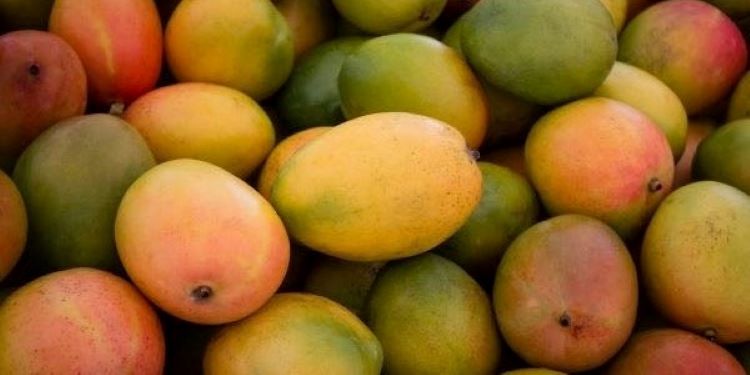
The Tree Crops Development Authority (TCDA) has officially established the regulatory pricing framework for the 2026 major mango harvesting season.
Operating under its statutory mandate to regulate and develop commercial tree crop chains, the Authority announced that the Minimum Producer Price (MPP) for second-grade fresh mango has been fixed at GHS 5.22 per kilogram.
According to the TCDA, the floor price is designed to protect smallholder farmers from farm-gate price suppression, establish market transparency, and ensure that primary producers receive equitable returns for their agricultural output, coming at a time when the state seeks to scale up non-traditional export revenues.
The introduction of the GHS 5.22 per kilogram minimum price is not a voluntary industry guideline but a legally binding regulatory directive to shield domestic agricultural value chains from localized economic pressures. The TCDA executed this pricing intervention in strict accordance with the explicit legislative powers granted to the institution by Parliament.
“This announcement is in accordance with Section 3(f) of the Tree Crops Development Authority Act, 2019 (Act 1010) and Regulation 47(1) of the Tree Crops Regulations, 2023 (L.I. 2471).
“The pricing was determined in collaboration with key industry stakeholders, including the Federation of Association of Ghanaian Exporters (FAGE) and mango value chain actors across the country”
Tree Crops Development Authority
Under these legal provisions, the TCDA holds the power to intervene in market pricing mechanisms to prevent market distortions and curb unfair trading practices that disadvantage vulnerable farming communities, with violations of the stated pricing floor subject to administrative and legal sanctions under the regulations governing the tree crop sector.

The Authority established a clear legal baseline that forces all commercial buyers, industrial processors, and export syndicates to align their purchasing contracts with the state-enforced minimum rate, through intensive, multi-lateral negotiations involving various institutional actors across the domestic agricultural space.
This collaborative methodology ensured that the minimum price reflects the actual cost of production – including escalating fertilizer, fuel, and labor costs – while remaining realistic for exporters competing in international markets.
Industry experts note that involving major export associations, like FAGE, helps secure compliance from large-scale buying firms, guaranteeing a more predictable and stable purchasing environment for producers throughout the country’s primary mango-growing belts.
Quality Incentives and Grading Mechanics
A critical component of the TCDA’s 2026 pricing directive is the operational distinction made between crop categories. The fixed floor of GHS 5.22 per kilogram applies strictly to second-grade fresh mangos, which typically serve domestic processing plants or local juice manufacturing entities.
To drive quality improvement across the industry, the regulatory framework explicitly permits an open negotiation window for superior yields. Farmers who successfully produce first-grade fresh mangos – which meet the strict cosmetic and physiological standards required for high-value international export markets – retain the legal right to demand a premium financial return.
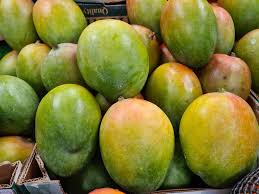
“Producers with first-grade mangos are allowed to negotiate for a premium price above the stated MPP, ensuring quality is incentivized across the market,” the Authority clarified.
This tiered structure ensures that the state policy does not inadvertently flatten market dynamics or discourage agricultural excellence. The TCDA’s goal is to incentivize farmers to invest in advanced crop management, pest control, and post-harvest handling practices by setting a hard floor for lower-grade fruit while leaving the ceiling open for premium yields.
This strategic market separation is expected to boost the overall volume of export-quality fruit leaving Ghanaian ports, enhancing the global reputation of Ghanaian agricultural brands. The price intervention for the 2026 major mango season also forms part of a broader macroeconomic blueprint managed by the TCDA.
As Ghana looks to diversify its foreign exchange inflows away from a heavy historical reliance on gold, oil, and cocoa, the mango industry has emerged as a critical pillar for rural industrial development and employment generation.
Mango cultivation provides vital economic stability in rural communities, offering a sustainable source of income that slows rural-to-urban migration and feeds raw materials directly into the country’s expanding agro-processing installations.
The TCDA concluded its directive by urging all market participants to adhere strictly to the new guidelines.
The Authority announced that its regional offices and technical officers remain fully accessible to provide further structural clarifications, monitor farm-gate transactions, and assist stakeholders in adjusting their commercial agreements to ensure a compliant and prosperous 2026 harvesting season.
READ ALSO: COMAC Calls for Realistic Energy Transition for Africa