Ghanaian households and businesses will enter the final quarter of 2026 without a fresh increase in electricity and water prices after the Public Utilities Regulatory Commission maintained third-quarter tariffs for October to December. The 0 percent adjustment takes effect from October 1 across customer categories.
The timing is economically important. Ghana’s headline inflation rose to 5.0 percent in August, while public transport fares are due to increase by 8 percent from September 26. Keeping utility tariffs unchanged removes one potential source of additional administered-price pressure just as households prepare to absorb higher commuting costs and businesses remain exposed to energy and transport expenses.
PURC’s quarterly tariff review mechanism shows that the decision was reached against mixed cost movements. For the fourth-quarter review, the Commission applied a weighted average exchange rate of GH¢11.5646 to US$1, compared with GH¢11.2228 in the third quarter, a 3.04 percent depreciation.
PURC also used an average inflation input of 4.97 percent, compared with 3.43 percent in the previous review. Those pressures were partly offset by a lower natural-gas cost and a higher projected share of hydroelectric generation.
Mixed Cost Movements Hold Tariffs Steady
The weighted average cost of gas fell 1.67 percent, from US$7.9708 per MMBtu in the third quarter to US$7.8379 in the fourth. Hydro generation is projected to rise from 20.90 percent of the electricity mix to 24.25 percent, while thermal generation is expected to decline from 79.10 percent to 75.75 percent.
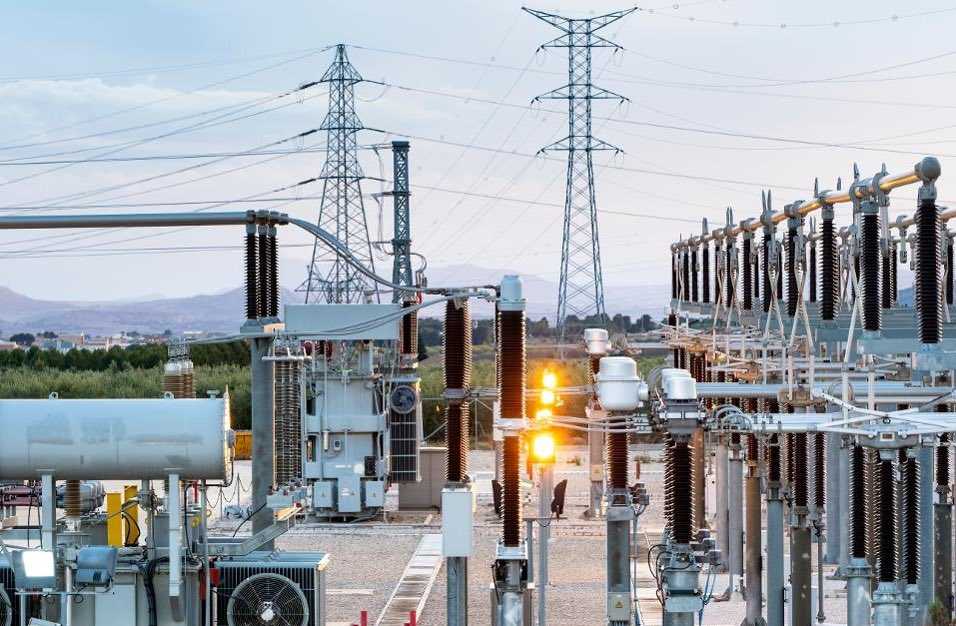
Those movements matter because thermal generation is more exposed to fuel costs and foreign-exchange conditions. A larger hydro contribution can therefore soften some pressure from a weaker cedi and higher domestic inflation, although PURC’s final decision reflects the full set of review variables.
PURC said “the existing electricity and water tariffs of the third Quarter have not changed (0%)”. The decision therefore freezes current tariffs rather than reducing them.
That distinction is important. Electricity tariffs were increased by 3.49 percent and water tariffs by 0.85 percent from July 1 under the third-quarter review. The Q4 decision avoids another quarterly increase, but consumers are not receiving a reversal of the rates already applied in July.
Inflation Gets a Useful Buffer
For the inflation outlook, the absence of a new utility adjustment is helpful because electricity and water charges feed directly into household expenditure and indirectly into business costs. Utility prices can also affect production, refrigeration, retail operations and service delivery, creating channels through which a tariff increase can spread beyond the monthly bill.
The decision is particularly relevant because Ghana Statistical Service data show that the housing, water, electricity, gas and other fuels division recorded year-on-year inflation of 11.6 percent in August and was the largest contributor to headline inflation. Vaultz News has also been tracking how non-food and energy-related costs are carrying more of the remaining inflation pressure.
The tariff freeze does not eliminate inflation risk. Public transport fares will rise by 8 percent from September 26, and fuel and other operating costs remain important to distribution and production. It does, however, mean that the fourth quarter begins without an additional regulated electricity or water shock.
Businesses Gain Predictability, Not Cheap Power
For firms, especially manufacturers and energy-intensive businesses, unchanged tariffs provide short-term planning certainty. Companies can enter the fourth quarter without immediately repricing electricity and water costs because of another PURC adjustment.
But stability should not be confused with low energy costs. Ghanaian manufacturers have already raised concerns about electricity expenses and changes in billing arrangements for some bulk customers. Holding regulated tariffs steady for one quarter does not resolve those competitiveness concerns or remove the effect of the July increase.
The benefit is therefore mainly predictability. In an environment where firms are also managing transport, financing and imported-input costs, avoiding another utility increase reduces one source of uncertainty even if the underlying cost base remains demanding.
Utility Finances Remain the Structural Test
PURC’s quarterly mechanism balances consumer interests with utility revenue requirements and financial viability. Similar stability in future reviews will depend on how exchange rates, inflation, fuel costs, generation mix and other regulatory inputs evolve.

The wider electricity-sector problem extends beyond tariff levels. Revenue collection, power-purchase obligations, system losses, financing costs and service quality remain central to the sector’s financial position. Stable tariffs are positive for consumers, but they do not by themselves solve those weaknesses.
For Ghana’s inflation outlook, the fourth-quarter decision is a useful buffer rather than a turning point. Households avoid another utility-price increase, businesses gain cost certainty, and one source of near-term pressure is contained. The harder test is whether that stability can coexist with reliable service and financially sustainable utilities.
READ ALSO: Ghana’s Power Costs Face A Structural Financing Test