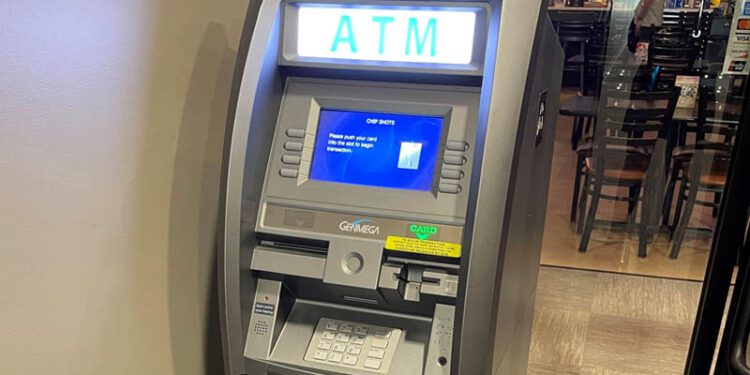
Ghana’s banks are confronting a digital reckoning, as long-standing reliance on branches and ATMs weakens amid a rapid shift toward mobile-first financial services.
New findings from the 2025 KPMG West Africa Banking Industry Customer Experience Survey reveal that ATM usage has fallen sharply to 16 percent in 2025, down from 34 percent the previous year.
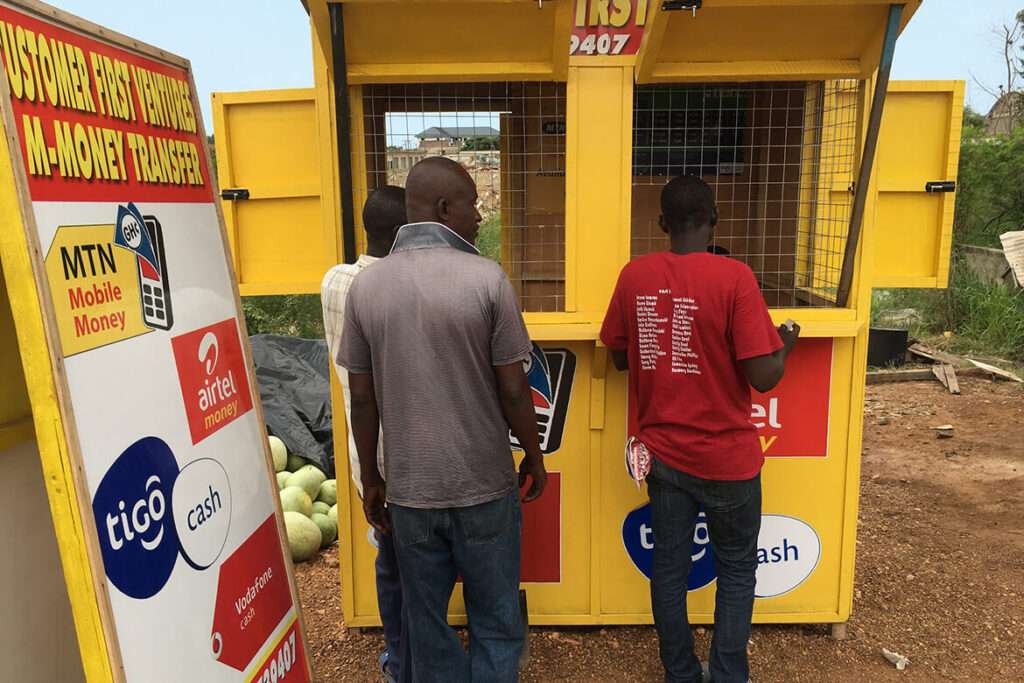
At the same time, mobile money usage has surged to 80 percent, marking its highest level since 2022. Together, these trends signal a digital reckoning for banks as customers redefine how they access and move money.
Mobile Money Tightens Its Grip
The data confirms what banks, telecom operators and fintech firms have observed for years. Convenience, speed and reliability now outweigh physical access to cash. Mobile money has become the most frequently used payment channel in Ghana, driven by its ubiquity, low entry barriers and improving interoperability across networks and banks.
For many users, especially informal workers and small businesses, mobile money offers instant transactions without the friction of queues, network downtimes at branches or distance to ATMs.
This growing dominance reflects a behavioural shift rather than a rejection of digital finance. Customers are not abandoning electronic payments. Instead, they are narrowing their choices to channels they trust most. Mobile money has earned that trust through consistent availability and a simple user experience.
Bank-Owned Digital Channels Under Pressure
While mobile money strengthens its lead, bank-owned digital platforms are facing growing pressure. Mobile banking apps remain the second most-used channel, with 44 percent of respondents reporting weekly usage. However, this figure is down from 50 percent in 2024, marking the second consecutive annual decline. Usage has fallen across most bank-owned channels, raising questions about relevance rather than adoption.
Interestingly, customer satisfaction with banking apps has improved despite the drop in usage. Ease of use and system availability rose to 81.4 percent and 80.7 percent respectively in 2025. This suggests that while apps are getting better, they are not becoming more central to customers’ daily financial lives. Many users appear content to rely on mobile money for routine transactions, turning to banking apps only when necessary.
USSD Still Matters in a Mobile Economy
Amid the rapid digitalisation, USSD banking continues to play a critical supporting role. About 26 percent of respondents use USSD weekly, mainly for balance checks, airtime purchases and fund transfers. Often viewed as a legacy channel, USSD remains relevant because it works on basic phones, requires no data and is almost always available.
Its resilience highlights an important lesson for banks and regulators. Inclusivity and reliability still matter deeply in Ghana’s digital ecosystem. Any digital strategy that overlooks low-data solutions risks excluding a significant portion of customers, particularly in rural areas and among lower-income users.
The Declining Symbolism of ATMs
ATMs were once a powerful symbol of banking strength and geographic reach. Today, they are rapidly losing relevance as digital alternatives mature. KPMG notes that while ATMs have not disappeared entirely, their role has shifted. They are now used mainly for occasional cash needs rather than everyday transactions.
Millennial customers still rank ATMs among their top three monthly channels, suggesting that cash is not obsolete. However, the sharp decline in usage points to a future where maintaining extensive ATM networks becomes harder to justify economically. For banks, the question is no longer how many machines they operate, but how well their overall digital ecosystem performs.
A Redefined Meaning of Customer Experience
The survey points to a clear and urgent reality. Customers are no longer impressed by the number of channels available. They are rewarding the few that work best. Convenience, reliability, security and transparency now define digital excellence in Ghana’s financial sector.
This has significant implications for banks and payment service providers. The challenge is no longer digital adoption, as customers are already online. The real challenge is digital relevance. Institutions must invest in fewer but better-performing channels, simplify pricing structures, strengthen security frameworks and design services around actual customer behaviour.
What the Digital Reckoning Means for Banks
As ATMs decline and mobile money consolidates its dominance, banks face a strategic crossroads. Competing head-on with mobile money on everyday payments may no longer be realistic. Instead, banks must rethink their role in a mobile-led economy by focusing on value-added services such as credit, savings, investment products and financial advisory.
Winning in the next phase of Ghana’s digital economy will require sharper prioritisation and customer-centric thinking. Banks that adapt quickly by aligning technology with trust, simplicity and reliability will remain relevant. Those that cling to legacy models risk being left behind in a market where digital convenience now sets the standard.