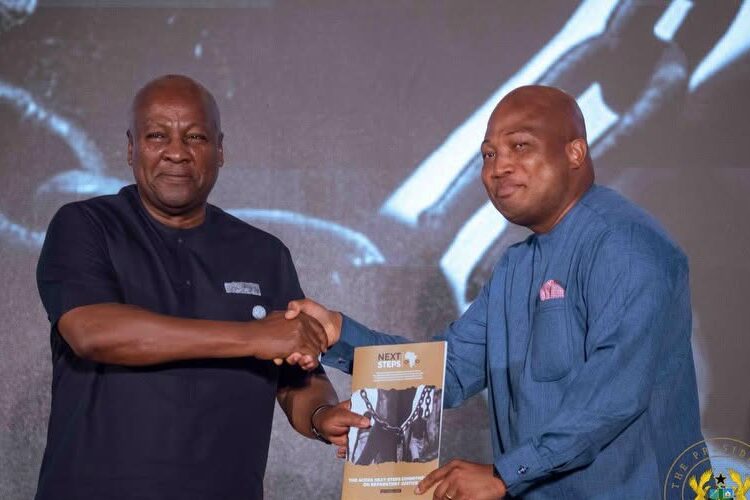
The High-Level Consultative Conference on Reparatory Justice, dubbed the Next Steps Conference, has concluded in Accra with the adoption of a unified roadmap aimed at advancing global reparatory justice and strengthening cooperation among governments, advocates, traditional leaders and members of the African diaspora.
The conference, hosted by the Government of Ghana, brought together world leaders, policymakers, traditional authorities and reparatory justice advocates to deliberate on practical measures for addressing the enduring consequences of the transatlantic slave trade and enslavement.
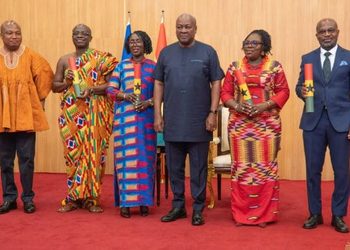
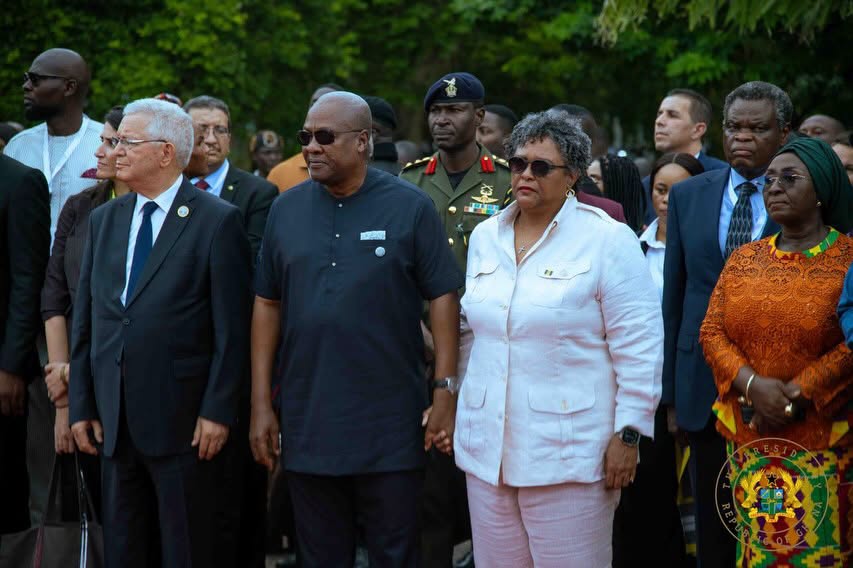
President John Dramani Mahama announced the outcome of the conference after hosting delegates, including Barbados Prime Minister Mia Mottley and traditional leaders, at Osu Castle for the closing ceremony.
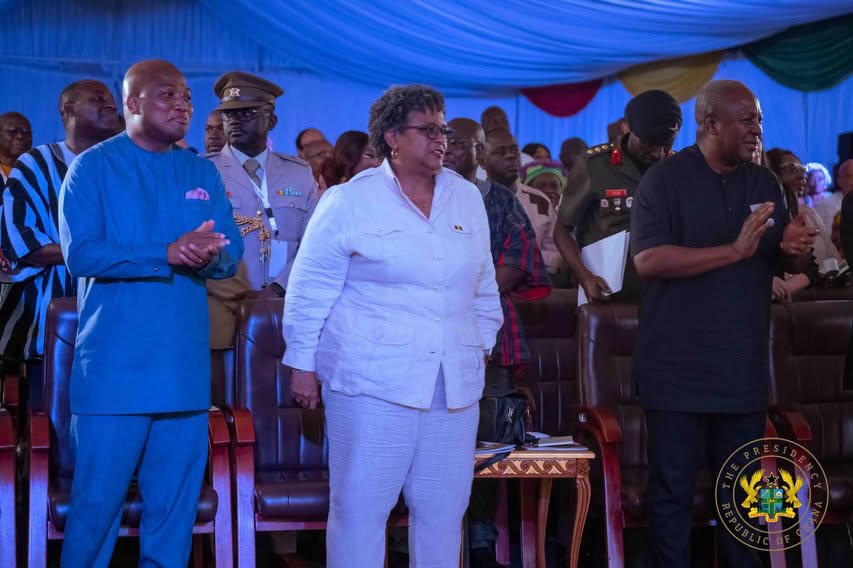
According to President Mahama, participants adopted a unified roadmap for justice in recognition of the devastating impact of the transatlantic slave trade, which deprived Africa of many of its most talented and productive people while leaving deep social and economic scars that continue to be felt generations later.
“We have adopted a unified roadmap for justice after the horrors of the slave trade. That journey took our best and brightest, leaving scars that remain. But unity is our strength”.
President John Dramani Mahama
Renewing Commitment to Justice
The conference coincided with the commemoration of Juneteenth, a day recognized for marking the end of slavery in the United States. President Mahama said the occasion provided an opportunity to honour the resilience and sacrifices of ancestors while reaffirming a collective commitment to creating a fairer and more inclusive world.
He stressed the importance of continued collaboration among African nations and people of African descent across the world in pursuing justice and restoring historical dignity.
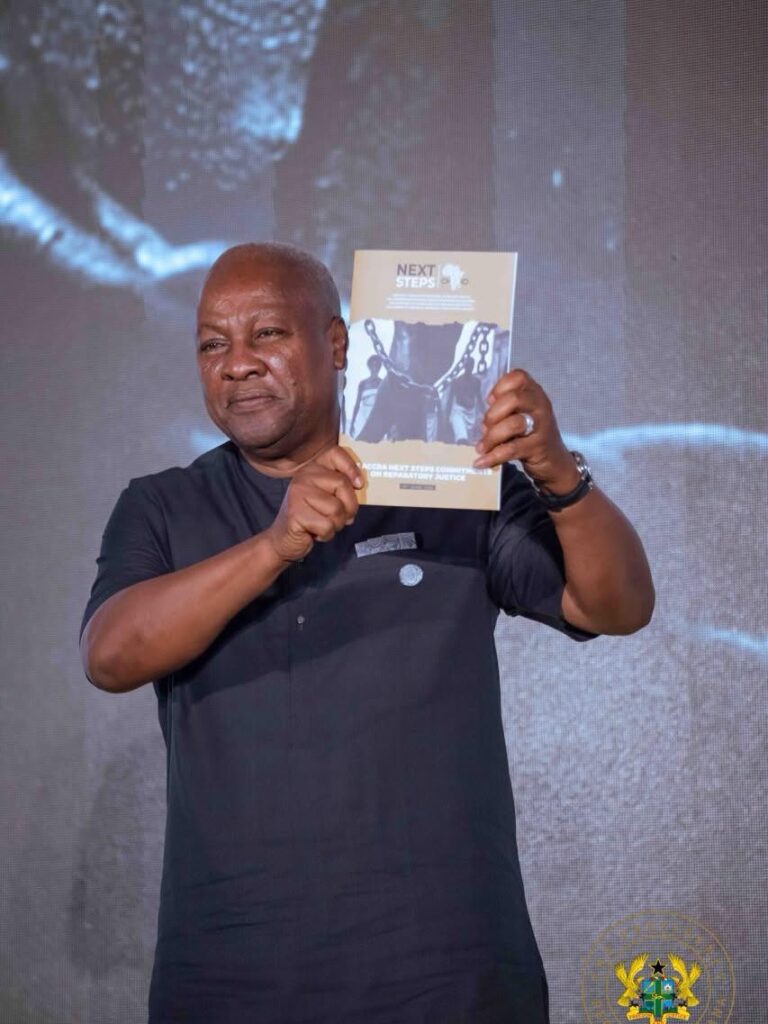
The President also extended an invitation to members of the African diaspora to strengthen their ties with Ghana and contribute to the country’s development.
“To our Diaspora brothers and sisters: our doors are open. With Right of Abode laws and increased visa free travel, we welcome you to the motherland. Let us build the future together”.
President John Dramani Mahama
Accra Commitments to Guide Future Action
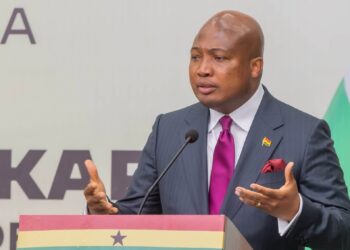
Ghana’s Minister for Foreign Affairs, Samuel Okudzeto Ablakwa, described the conference as a significant milestone in the global reparatory justice movement.
According to him, the gathering followed the historic adoption of a Ghana led United Nations Resolution which declared transatlantic enslavement the gravest crime against humanity.
“For the first time, the Reparatory Justice Movement and World Leaders agree to end fragmentation and work with a common framework, a common purpose and a common resolve”.
The Foreign Minister explained that participants adopted the Accra Next Steps Commitments, which will serve as a blueprint for advancing reparatory justice and guiding future efforts aimed at building a world founded on fairness, justice and inclusivity.
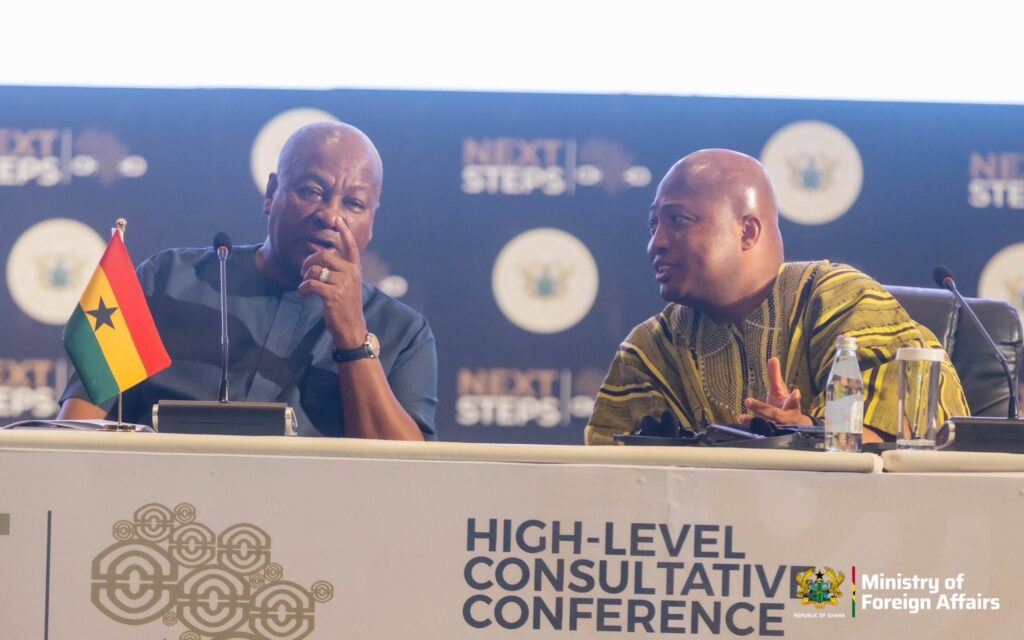
He expressed appreciation to all participants and international partners who contributed to the success of the conference and reaffirmed Ghana’s commitment to leading global conversations on reparatory justice.
Progress on Cultural Restitution
The conference also recorded progress in efforts to secure the return of cultural artefacts removed from Ghana during the colonial period. The Government of Ghana welcomed announcements by the Netherlands and Germany indicating their readiness to return approximately 2,000 looted artefacts and items of cultural significance to Ghana.
During a plenary session of the conference, ambassadors of the two countries presented President Mahama with a catalogue containing details of the artefacts scheduled for repatriation.
Government officials described the development as an important step in restoring Ghana’s cultural heritage and addressing historical injustices linked to colonialism and enslavement.
European Partners Acknowledge Historical Responsibility
Another notable development came from Denmark, whose Foreign Minister apologized for the country’s role in the transatlantic slave trade.
The Danish government also pledged support for the preservation of castles built during that period. The initiative is expected to contribute to historical education, truth telling and efforts to ensure that future generations understand the realities of the slave trade.
Ghana welcomed the gesture as evidence of a growing commitment among some European nations to engage constructively on issues of historical accountability and restitution.
Officials said the positive developments witnessed during the conference demonstrate increasing international support for efforts to address historical wrongs since the adoption of the Ghana led United Nations Resolution on transatlantic enslavement.
As the conference ended, participants expressed confidence that the Accra Next Steps Commitments would provide a practical framework for coordinated action and help drive the global campaign for reparatory justice, recognition and accountability.
The outcome of the conference is expected to strengthen international cooperation and provide renewed momentum for efforts aimed at securing justice for communities affected by the legacy of transatlantic enslavement.