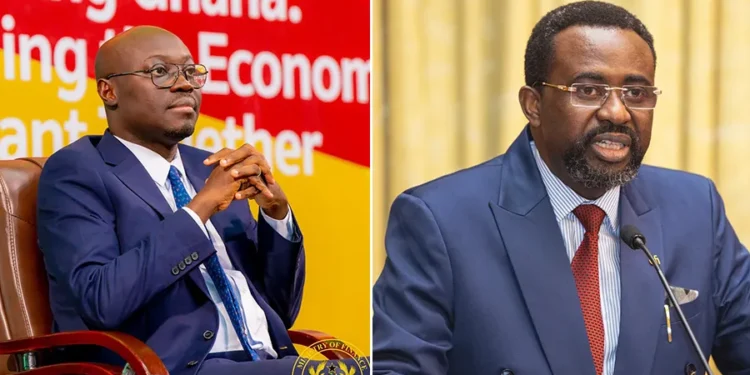
Ghana’s credit profile is beginning to regain its footing, as recent fiscal discipline and structural reforms are slowly reshaping the country’s economic story.
After several years of turbulence marked by debt distress, inflationary pressures and currency instability, recent policy adjustments are gradually restoring confidence among investors and international partners.
Analysts say the turnaround reflects disciplined fiscal consolidation, improved revenue mobilization and ongoing debt restructuring efforts spearheaded by the government in collaboration with the International Monetary Fund. The renewed optimism is also visible in the bond market, where yields have begun to moderate, signaling improved investor sentiment.
Fiscal Discipline and Spending Controls
One of the key pillars supporting Ghana’s improving creditworthiness is fiscal discipline. Authorities have tightened expenditure controls, rationalized public spending and strengthened oversight across ministries and state agencies. The emphasis on cutting waste and improving value for money in public procurement has contributed to narrowing the fiscal deficit.
Government officials maintain that revenue-enhancing measures, including digital tax administration reforms and efforts to broaden the tax base, are beginning to yield results. These measures have improved domestic revenue collection, reducing reliance on short-term borrowing.
Economic observers argue that consistent adherence to fiscal targets under the IMF-supported program has played a central role in stabilizing macroeconomic indicators. Sustained fiscal consolidation is critical to rebuilding credibility in both domestic and external markets, a senior economist noted.
Debt Restructuring and External Support
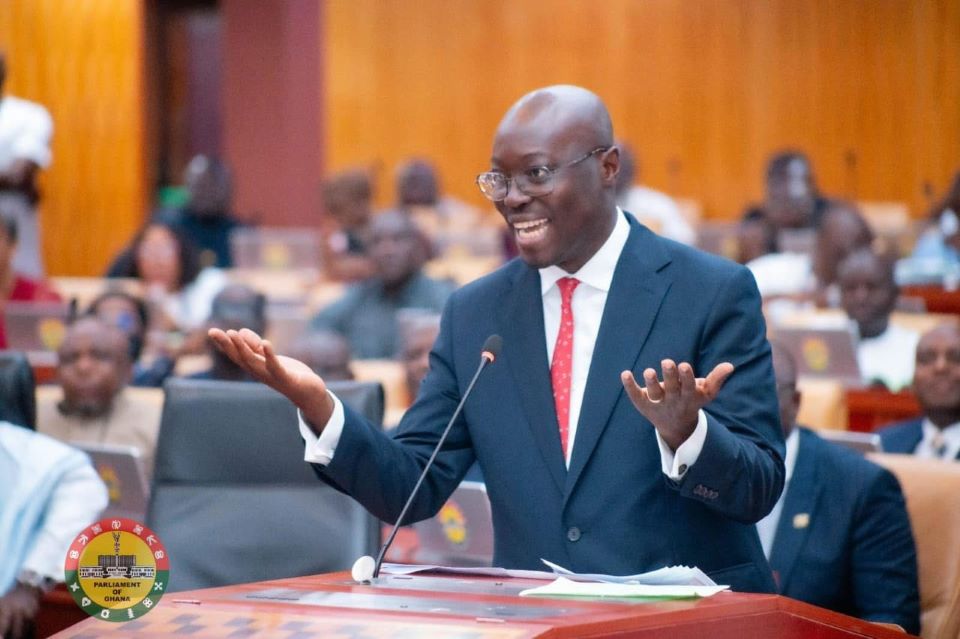
Another decisive factor has been Ghana’s comprehensive debt restructuring program. The country successfully concluded negotiations with domestic bondholders and continues to engage external creditors under the G20 Common Framework. These steps have helped ease short-term debt servicing pressures and create fiscal space for priority spending.
The IMF program has provided not only financial backing but also policy guidance aimed at restoring debt sustainability. Disbursements under the arrangement have bolstered Ghana’s foreign exchange reserves, contributing to relative stability in the cedi.
In addition to IMF support, Ghana has secured financing assurances from bilateral and multilateral partners, reinforcing confidence that the country is committed to meeting reform benchmarks. International credit analysts suggest that these developments are gradually improving Ghana’s sovereign risk profile.
Inflation Moderation and Exchange Rate Stability
Macroeconomic stability is another area showing signs of improvement. After peaking at elevated levels, inflation has trended downward in recent months, driven by tighter monetary policy and easing supply-side pressures.
The Bank of Ghana has maintained a firm stance on monetary policy, signaling its commitment to price stability. Lower policy rates and liquidity management measures have helped anchor inflation expectations, while exchange rate volatility has reduced compared to previous periods.
Currency stability has been particularly important in restoring investor confidence. The cedi’s relative steadiness has reduced imported inflation and eased uncertainty for businesses that rely on foreign exchange for trade.
Private Sector Confidence Rebounds
Improved macroeconomic conditions are gradually filtering through to the private sector. Business leaders report more predictable economic conditions, which support planning and investment decisions. Although lending rates remain elevated, expectations of further macroeconomic stabilization are encouraging renewed engagement in key sectors such as manufacturing, agriculture and services.
Financial markets are also responding positively. Activity on the domestic bond market is picking up as investors reassess Ghana’s risk outlook. The Ghana Stock Exchange has recorded renewed interest from institutional investors seeking opportunities in undervalued equities.
Credit rating agencies have taken note of the reforms, with some revising Ghana’s outlook to stable from negative. International credit rating agency S&P Global Ratings upgraded the country’s sovereign credit rating to B-/B with a stable outlook in November 2025, the first upgrade since the government navigated a deep fiscal crisis following its 2022 debt default.
The decision by S&P, one of the world’s leading credit assessors, reflects tangible improvements in key macroeconomic indicators, sustained policy reforms, and a rebound from steep economic challenges that plagued the West African nation just a few years earlier.

Exports, Currency Strength, and External Buffers
A strong external sector performance has also been decisive. Ghana recorded a US$13.66 billion trade surplus in 2025, driven by booming gold and cocoa exports, which helped greatly improve the country’s balance of payments. Export receipts surged to over US$31 billion during the year, with gold alone contributing nearly US$21 billion, more than double its 2024 earnings supported by both high global prices and increased production.
This upswing in export earnings has directly bolstered the Ghanaian cedi, which strengthened against major currencies in 2025. The cedi’s appreciation has had positive ripple effects on inflation, import costs, and foreign exchange reserves, enhancing Ghana’s external resilience.
S&P specifically cited Ghana’s stronger fiscal management, improved balance of payments position, and rising foreign exchange reserves as key factors in its decision to uplift the rating. This stronger external backdrop reduces short-term default risks and improves the country’s ability to meet external obligations.
Structural Reforms and Long-Term Prospects
Beyond short-term stabilization, Ghana’s reform agenda includes structural changes aimed at boosting long-term growth. Efforts to improve state-owned enterprise governance, enhance public financial management systems and digitize government services are expected to strengthen institutional credibility.
The government has also prioritized reforms in the energy sector to address longstanding inefficiencies and arrears. Improving operational performance in key utilities is seen as essential to reducing fiscal risks and attracting private investment.
Economists caution, however, that maintaining reform momentum will be crucial. Sustained political commitment and effective implementation will determine whether recent gains translate into durable improvements in creditworthiness.
Cautious Optimism
While the signs are encouraging, analysts stress that challenges remain. Global economic uncertainty, commodity price fluctuations and potential external shocks could test Ghana’s recovery. Additionally, rebuilding buffers will require continued fiscal prudence and careful debt management.
Nonetheless, the direction of travel appears positive. By demonstrating commitment to reform and restoring macroeconomic stability, Ghana is gradually rebuilding trust with investors and international partners.
As reforms take root, Ghana’s strengthened credit profile could lower borrowing costs over time, attract foreign direct investment and unlock new financing opportunities for development projects.
READ ALSO: Prudential Bank Limited, Mastercard Strengthen Corporate Banking Ties