Ghana’s long running investigations into the Power Distribution Services scandal have taken a new turn following the arrest of four individuals by the Bureau of National Intelligence.
The development signals renewed momentum in efforts to unravel financial transactions linked to the controversial electricity concession deal that collapsed in 2019.
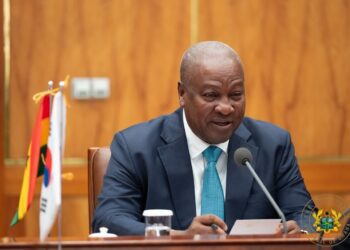
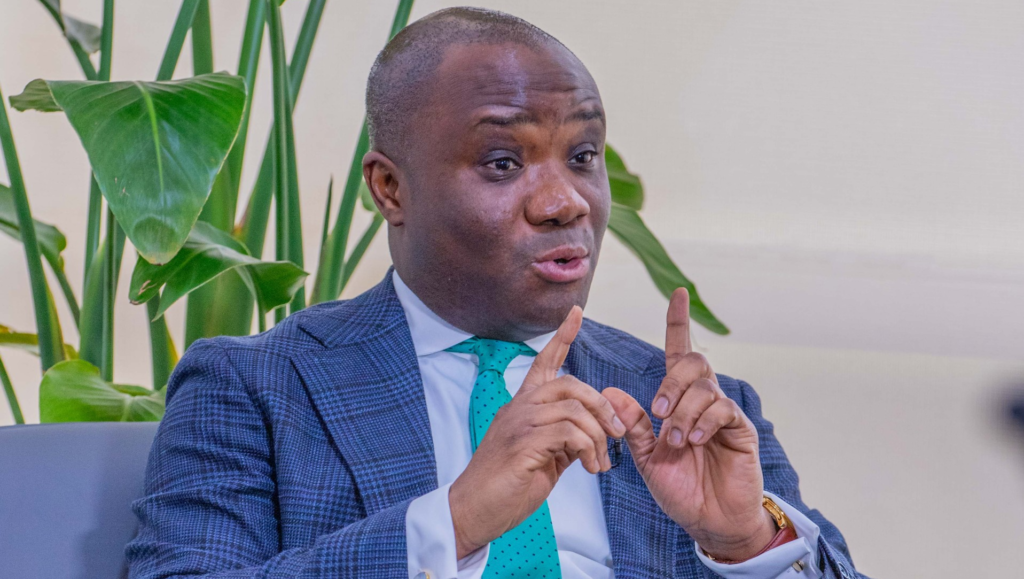
Felix Kwakye Ofosu, Presidential Spokesperson and Minister of State in charge of Government Communications, confirmed the arrests as part of ongoing probes into the transfer of large sums of money believed to belong to the Electricity Company of Ghana.
According to him, the individuals arrested are Philip Ayensu, Viraj Phat, Sophia Korkor and Justice Menka Premoh. He indicated that the quartet has since been granted bail pending further investigations.



The arrests form part of what officials describe as a broader attempt to establish accountability and recover any funds that may have been improperly transferred during the period under review.
Background to the PDS Scandal
The Power Distribution Service (PDS) scandal remains one of the most significant controversies in Ghana’s recent energy sector history.
The arrangement, introduced in March 2019, was designed as a 20-year concession that transferred the management of ECG to Power Distribution Services, a private entity expected to improve efficiency and reduce losses in the power distribution system.

At the time, the agreement was widely seen as a major reform initiative backed by international partners, including funding support from the United States through the Millennium Challenge Corporation.
However, just four months into the agreement, concerns began to emerge over the authenticity of financial guarantees presented by PDS. The government subsequently suspended the concession in July 2019 after discovering that the demand guarantees provided through Al Koot Insurance in Qatar were not valid.
By October 2019, the concession had been officially terminated, marking a dramatic end to what had been promoted as a transformative partnership in Ghana’s energy sector.
Financial and Institutional Fallout
The collapse of the PDS deal had far reaching consequences for Ghana’s economy and energy sector. One of the most immediate impacts was the loss of substantial grant funding from the Millennium Challenge Corporation.
Estimates indicate that Ghana forfeited approximately 190 million dollars in funding, although some assessments place the potential loss at significantly higher levels. This setback disrupted planned investments aimed at improving electricity distribution infrastructure.
Beyond the financial implications, the failed concession also raised questions about governance, due diligence and oversight in major public private partnerships. Critics argue that the episode exposed systemic weaknesses in the management of strategic national assets.
In addition, the energy sector faced operational challenges in the aftermath of the termination, with concerns about inefficiencies and revenue losses persisting in subsequent years.
Legal Battles and Arbitration Outcome
The dispute between the government of Ghana and PDS extended beyond the termination of the contract, culminating in international arbitration proceedings.
In November 2025, a tribunal in London dismissed PDS’s claim for 390 million dollars in damages against the government. The ruling affirmed that the cancellation of the concession was justified based on the fraudulent nature of the guarantees presented by the company.
This outcome was seen as a significant legal victory for Ghana, reinforcing the government’s position and providing a measure of closure to the international dimension of the dispute.
However, the domestic implications of the scandal, particularly regarding accountability and financial recovery, have continued to attract attention.
Political and Accountability Dimensions
The PDS saga has also carried significant political implications, with various stakeholders calling for investigations into the roles played by public officials in approving and overseeing the concession.
At different points, petitions have been submitted to the Office of the Special Prosecutor seeking inquiries into decisions taken during the period, including the authorization of the agreement.
These developments have kept the issue within the broader national conversation on governance and accountability, particularly in relation to large scale public contracts.
The recent arrests by the Bureau of National Intelligence appear to form part of this ongoing effort to revisit unresolved aspects of the case and ensure that any wrongdoing is addressed.
Ongoing Investigations and Next Steps
While the identities of the arrested individuals have been confirmed, officials have not disclosed the full details of the allegations or the specific transactions under investigation.
Felix Kwakye Ofosu indicated that the process remains ongoing and that further updates will be provided as investigations progress. He emphasized that the granting of bail does not imply exoneration but reflects standard legal procedures.
The focus of the investigation is believed to include tracing financial flows and determining whether funds associated with the Electricity Company of Ghana were diverted or mismanaged.
Authorities are expected to examine documentation, financial records and other evidence as part of efforts to build a comprehensive case.
Renewed Commitment to Accountability
The latest developments suggest a renewed commitment by the government to pursue accountability in high profile cases linked to public resources. The outcome of these investigations could have broader implications for governance reforms, particularly in strengthening oversight mechanisms and preventing similar occurrences in the future.
The PDS case has often been cited as a cautionary example of the risks associated with inadequate due diligence in public-private partnerships. As such, its resolution is seen as critical to restoring confidence in the management of national assets.
As investigations continue, attention will remain focused on the actions of law enforcement agencies and the eventual legal processes that may follow.
The arrests mark a significant step in a case that has spanned several years and involved both domestic and international dimensions. While the full extent of the findings remains to be seen, the developments underscore the enduring relevance of the PDS scandal in Ghana’s governance landscape.
For many Ghanaians, the key question now is whether the renewed investigative efforts will lead to concrete outcomes that address both accountability and recovery of public funds.
READ ALSO: Bank of Ghana Reveals Bold Recapitalisation Roadmap As It Rejects Insolvency Fears