A sharp escalation in regional tensions has drawn strong condemnation from Arab states, after a series of attacks in Sudan and the Gulf raised fresh concerns over security and sovereignty.
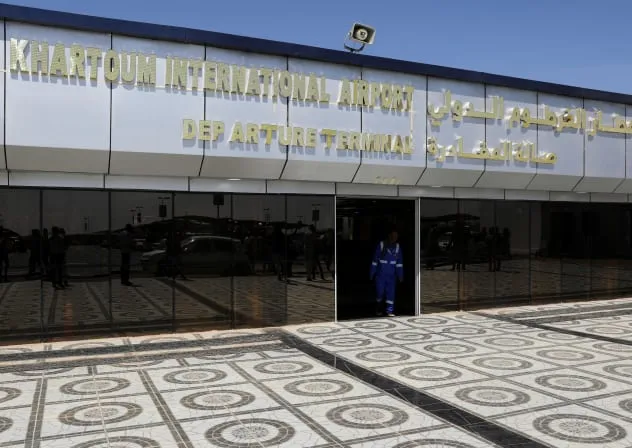
Egypt has denounced the drone strike targeting Khartoum International Airport, describing it as a “blatant violation” of Sudanese sovereignty and a direct threat to civilian infrastructure and the safety of the Sudanese people.
In an official statement, Cairo warned that the attack represents a dangerous escalation that could further destabilise Sudan and complicate already fragile humanitarian conditions.
The Egyptian government further expressed “deep concern and condemnation” over the increasing frequency of such attacks, noting reports that they originated from the territory of a neighbouring country.
Cairo cautioned that continued attacks on critical infrastructure risk widening the scope of the conflict and drawing in neighbouring states, undermining international diplomatic efforts aimed at resolving the crisis.
It specifically pointed to initiatives led by the United States and partners within the Quartet, which are focused on securing a full ceasefire and advancing a Sudanese-led political process free from external interference.
Reaffirming its long-standing position, the Egyptian government stressed the need to respect Sudan’s unity and sovereignty, while rejecting all forms of foreign intervention in its internal affairs.
Egypt further reiterated its support for efforts to contain the crisis, pledging to continue working with regional and international partners to de-escalate tensions and prioritise peaceful solutions that align with the aspirations of the Sudanese people for stability and security.
The developments in Sudan come alongside heightened tensions in the Gulf, where renewed Iranian missile and drone strikes have targeted civilian sites in the United Arab Emirates. Qatar’s Foreign Ministry strongly condemned the attacks, describing them as “a flagrant violation” of UAE sovereignty and a serious threat to regional security and stability.
Sudan Accuses Ethiopia and UAE of Drone Strikes
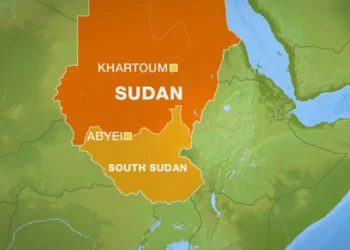
Meanwhile, Sudan has accused neighbouring Ethiopia and the United Arab Emirates of orchestrating a series of drone strikes on Khartoum’s main international airport, describing the assault as “direct aggression” and warning of serious regional implications.
The airport in the capital was hit on Monday alongside military installations in the Greater Khartoum area, marking a sharp escalation after months of relative calm. That stability had followed the expulsion of the paramilitary Rapid Support Forces from the city by the Sudanese military last year.
Authorities said no casualties were reported, but the strikes caused disruption to operations at the airport, forcing officials to suspend flights for 72 hours as a precaution.
The attack came just a week after the first direct international commercial flight landed at the facility in three years, underscoring the fragility of Sudan’s recovery efforts.
According to Sudan’s military, it had “conclusive evidence” linking the attack to drones launched from Bahir Dar airport in Ethiopia. They also alleged that one of the drones involved was of Emirati origin, claiming it had been tracked entering Sudanese airspace from Ethiopian territory before being intercepted.
Sudan’s Foreign Minister Mohieddin Salem has also confirmed that Sudan had recalled its ambassador to Ethiopia for consultations, signalling a sharp deterioration in diplomatic relations. He accused both Ethiopia and the UAE of choosing the wrong path and warned that such actions would have consequences.
Ethiopia, on the other hand, has rejected the allegations, calling them “baseless,” and emphasising longstanding ties between the two countries. In a statement, its foreign ministry said Sudan and Ethiopia “share a historic and enduring bond of friendship,” while also urging dialogue between Sudan’s warring factions.
The United Arab Emirates has not commented on the latest accusations but has consistently denied involvement in Sudan’s internal conflict.
The latest incident adds to a growing pattern of cross-border tensions linked to Sudan’s ongoing civil war. Earlier this year, Sudanese military officials alleged that the Rapid Support Forces had conducted air operations from within Ethiopian territory, claims that have further strained relations between the neighbours.
Reports have also pointed to broader regional dynamics. In February, it was reported that Ethiopia was hosting a training camp for RSF fighters and had upgraded nearby infrastructure for drone operations, with backing from external allies. These developments have fuelled suspicions within Sudan’s military establishment about foreign involvement in the conflict.
Witnesses in Khartoum described hearing explosions and seeing plumes of smoke rising near the airport during Monday’s attack, which also caused minor damage to an administrative building.
The strike shows the ongoing unpredictability of Sudan’s conflict, which began in 2023 and has killed over 150,000 people while displacing millions. With famine conditions increasing and reports of crimes continuing to surface, the current escalation increases worries that the war may spread beyond Sudan’s borders, further destabilising an already unstable area.
READ ALSO: AG Office Withdraws Charges in Buffer Stock Case, EOCO Re-arrests Accused