United Nations has raised fresh alarm over worsening humanitarian crises across parts of Africa and Europe, warning that conflict, climate-related disasters and severe funding shortages are leaving millions of people increasingly vulnerable to hunger, displacement and deteriorating living conditions.
In Somalia, the World Food Programme(WFP) said worsening drought conditions, ongoing armed conflict and critical funding gaps are driving a sharp rise in food insecurity, with fears mounting over an accelerating national hunger emergency.
According to the WFP, around 6.5 million people in Somalia are now facing crisis-level hunger or worse, nearly double the figure recorded during the same period last year. Among them, two million people are experiencing emergency levels of food insecurity, while more than 1.8 million children are expected to suffer acute malnutrition before the end of the year.
UN assessment indicates that the situation continues to worsen despite earlier efforts to strengthen emergency response systems following Somalia’s severe drought crisis in 2022.
The World Food Programme, which delivers nearly 90 per cent of all food assistance in Somalia, stated that, it has continued providing emergency cash transfers to drought-affected communities through government-supported social protection systems aimed at building long-term resilience.
However, the agency warned that shrinking humanitarian funding has severely undermined its capacity to respond to rising needs across the country.
WFP added that it is now able to reach only one in ten people requiring urgent assistance, forcing the suspension of emergency food aid programmes in several districts. It also noted that nutritional support for pregnant and breastfeeding women has been reduced due to resource constraints.
UN Raises Alarm Over Dire Living Conditions in Gaza Camps
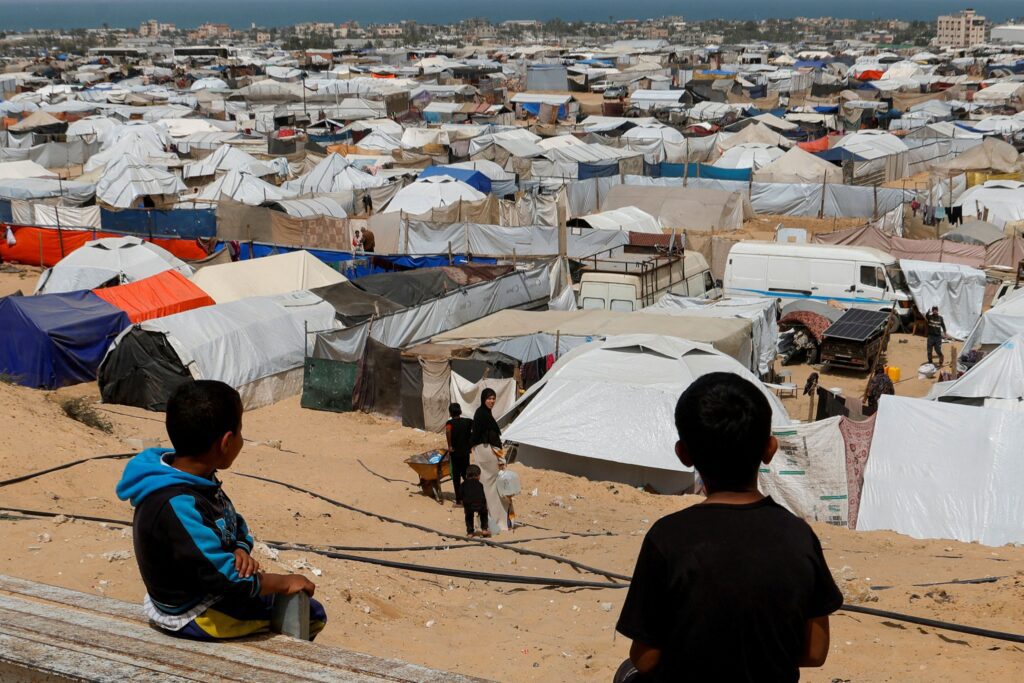
Meanwhile, the humanitarian situation in Gaza has continued to deteriorate, with United Nations agencies warning of worsening living conditions inside overcrowded displacement camps as ongoing conflict and repeated displacement place mounting pressure on already fragile sanitation systems.
The UN agency for Palestinian refugees, UNRWA, said children sleeping in tents are now being bitten by rats at night, highlighting the severe public health conditions facing displaced families across the enclave.
Humanitarian officials warned that overcrowded shelters, acute shortages of clean water and the collapse of waste disposal systems are significantly increasing the risk of disease outbreaks.
UNRWA further reported that, it is working alongside the World Health Organisation and local partners to monitor growing cases of skin infections and rodent infestations while expanding the distribution of hygiene supplies to affected communities.
Moreover, UN Office for the Coordination of Humanitarian Affairs(OCHA) has also stressed the urgent need for sanitation workers to access displacement sites and residential areas to remove mounting waste and reduce health risks.
According to OCHA, one market area has effectively turned into a massive dumping ground, with piles of garbage now covering an entire city block and rising several storeys high after access to Gaza’s designated landfills became restricted during hostilities.
Humanitarian agencies further warned that attempts to restore basic services remain severely hindered by restrictions on the movement of aid workers and continuing delays affecting the delivery of essential humanitarian supplies into Gaza.
Ukraine Sees Growing Civilian Toll Amid Ongoing Conflict
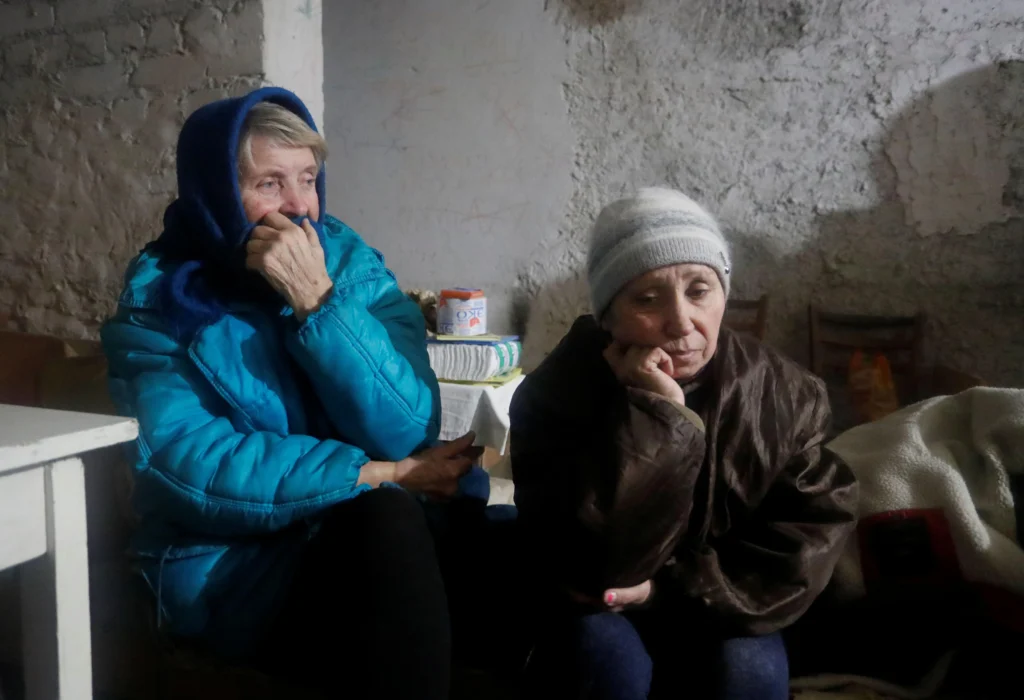
Ukraine is also seeing a growing civilian toll amid ongoing conflict, as the conflict continues to intensify and humanitarian conditions worsen across affected regions.
According to the UN Office for the Coordination of Humanitarian Affairs, continued heavy bombardments in eastern Ukraine are devastating frontline communities, damaging civilian infrastructure and placing thousands of residents at risk.
Aid agencies have indicated that several urban centres in eastern regions have recently come under intensified attacks involving glide bombs and missiles, resulting in dozens of civilian casualties.
Authorities reported that approximately 30 civilians were killed and around 170 others injured during the recent attacks in Zaporizhzhia, Kramatorsk and Dnipro.
Residential buildings, educational facilities, dormitories and other civilian structures were among the infrastructure damaged during the strikes.
Despite the ongoing insecurity, humanitarian organisations have continued efforts to deliver emergency assistance to isolated communities living close to the front line.
This week, UN-led aid convoys reached residents in parts of the Kharkiv Region and Donetsk Region, providing medicine, hygiene supplies, solar lamps and construction materials to vulnerable populations.
UN’s top humanitarian official in Ukraine, Matthias Schmale, described the severe impact the war has had on communities that were once thriving population centres.
“Before the full-scale invasion in 2022, I understand there were thousands of people living in this community. Now there is close to 300 left, so you can also in those terms measure the impact of this war on the population of a place that I understand once was at the core of a touristic area. All of that is gone now,”
Matthias Schmale
READ ALSO: Real Madrid To Probe Into Valverde-Tchouaméni Training Bust-Up