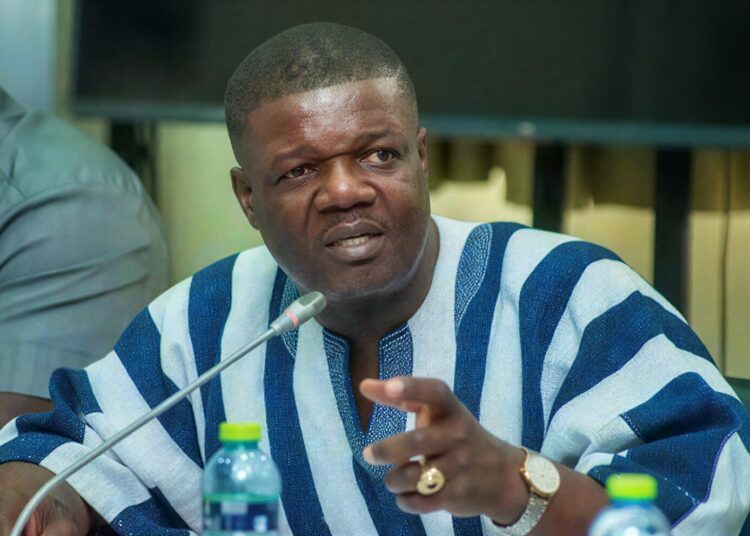
Honourable Nelson Dafeamekpor, the Majority Chief Whip and Member of Parliament for South Dayi Constituency, has questioned the handling of the arrest of a fellow MP, suggesting that key state authorities may not have been properly informed before the action was taken.
He said issues relating to official notification, the MP’s diplomatic travel status, and procedural coordination remain central to the ongoing discussions on the matter.
He argued that there appeared to be no clear justification for the arrest of the MP, while also indicating that the government was expected to have been aware of the MP’s movements due to the use of a diplomatic passport for travel.
According to him, authorities are still not fully aware of the circumstances that led to the arrest. He suggested that the sequence of events points to possible communication gaps between foreign security personnel and domestic state institutions.
“We have been asking this. In fact, that morning I spoke to the arresting officers and said they were under no obligation to reveal the reasons to me. At that time, I understood that they did not know who they were speaking to. To date, even the prosecutor has not revealed the reasons.”
Honourable Dafeamekpor
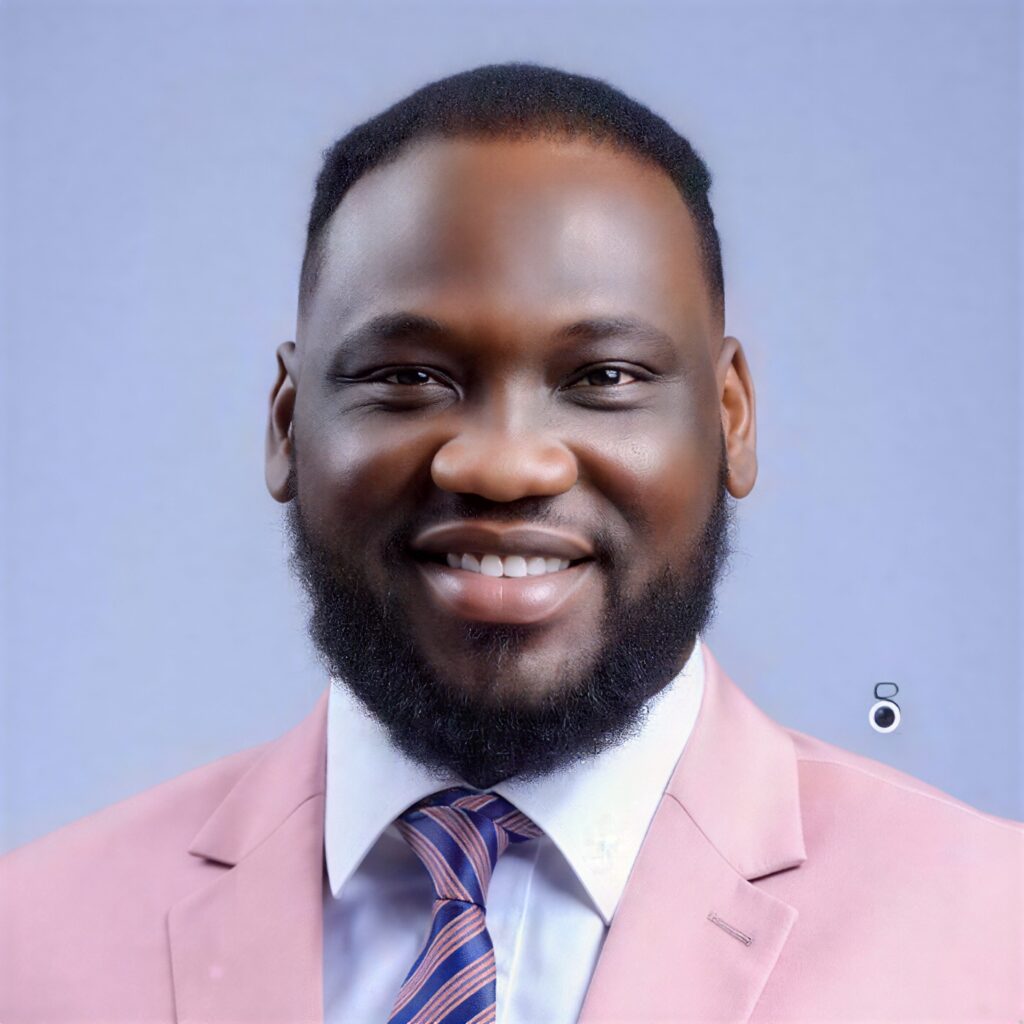
Honourable Dafeamekpor noted that the Attorney General has been engaged to provide legal advice on the implications of the arrest and the travel documentation involved. He said the Attorney General’s guidance would help determine whether any diplomatic protections are applicable under the circumstances.
He further explained that although the travel was described as private, the use of a diplomatic passport introduces legal considerations that must be carefully assessed. He added that the MP’s status at the time of arrest raises questions about immunity and the application of due process safeguards.
Honourable Dafeamekpor indicated that legal steps are ongoing to determine whether extradition procedures could be triggered. He stressed that such processes require a prima facie assessment before any formal action can proceed.
He referenced international legal practice to highlight the complexity of extradition cases, noting that such matters often involve multiple court proceedings and interlocutory applications before final determinations are made.
According to him, legal teams are actively engaging prosecutorial authorities to establish the basis for the arrest and clarify the charges involved.
He further noted that arrangements had been made to verify claims that the MP’s travel included constituency-related engagements abroad. He said supporting documentation had been provided regarding the purpose of the visit.
Therefore, he urged calm in public discourse, stressing that due legal processes must be allowed to proceed without speculation.
Diplomatic Passport Use And Legal Questions On MP’s Arrest Procedures
Honourable Nelson Dafeamekpor also addressed the use of diplomatic passports among Members of Parliament, explaining that established protocols guide their application during official travel. He noted that MPs are issued diplomatic passports as part of their status as public officials representing the state.
He stated that while diplomatic passports are primarily intended for official duties, they are sometimes used for private travel for convenience and ease of movement, particularly in relation to visa requirements. He added that in many jurisdictions, holders of diplomatic passports enjoy smoother entry procedures than regular passport holders.

According to him, parliamentary orientation programmes encourage Members of Parliament to clearly distinguish between official assignments and private travel when selecting travel documents. He added that existing guidelines are intended to ensure the proper use of diplomatic privileges.
“As part of our protocols and orientation, we advise that when you are doing your private trip, by all means, use your regular passport.”
Honourable Dafeamekpor
Honourable Dafeamekpor explained that in practice, travel arrangements often combine personal and constituency-related activities. He said MPs may take the opportunity of private visits to hold meetings with constituents abroad, in order to improve efficiency and strengthen representation.
He further stated that elected representatives are expected to maintain continuous engagement with citizens both within and outside the country. He added that such interactions help strengthen the link between Parliament and diaspora communities.
READ ALSO: If True Then Disturbing to Ghana’s Image — Kwadwo Poku