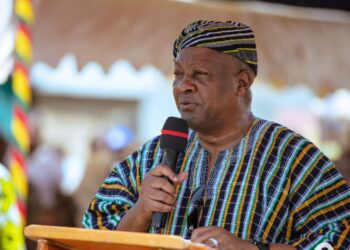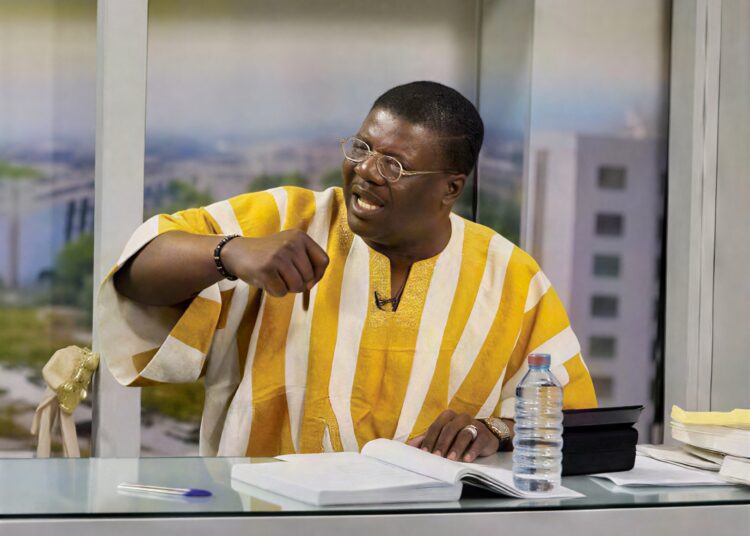
Honourable Nelson Dafeamekpor, MP for South Dayi Constituency and Majority Chief Whip, has stated that the Ghana School of Law was originally established through policy decisions rather than a direct legal framework.
He explained that the new Legal Education Act now provides the institution with a firm legal foundation and clearly defines its responsibilities under the law.
The Majority Chief Whip indicated that the reforms seek to address longstanding concerns surrounding access to legal education and professional training in Ghana. He added that the legislation introduces a new framework for accreditation, regulation and curriculum development across law faculties.
According to him, debates over legal education reforms have persisted for decades because many qualified students struggled to gain admission into professional law training.
He recalled that earlier interventions introduced preliminary programmes aimed at expanding opportunities for public servants and mature students pursuing legal education.
He explained that the preliminary system allowed first degree holders to undertake courses equivalent to the LLB programme before progressing to professional legal training. He added that many lawyers and judges who passed through that arrangement later built successful careers within the legal profession.
The South Dayi MP further stated that the expansion of universities offering law programmes eventually transformed the structure of professional legal training in Ghana. He noted that institutions beyond the University of Ghana began producing LLB graduates, leading to the gradual phase out of the preliminary programme.

Meanwhile, he observed that interest in legal education increased significantly after the 2012 election petition hearing before the Supreme Court. He explained that the heightened public attention encouraged many young people to pursue law, resulting in a gradual rise in applications to the Ghana School of Law.
The MP stated that the introduction of entrance examinations and interviews later generated controversy nationwide. He explained that concerns emerged over alleged irregularities and inconsistencies in the admission process, prompting parliamentary scrutiny and public demonstrations.
He disclosed that Parliament’s intervention led to recommendations for the removal of interviews and that some applicants complained of facing unfair questioning during interviews.
“We traced the problem and realised the interviews had become a major issue. Once you passed the exams, we believed you deserved the opportunity to continue.”
Honourable Dafeamekpor
Honourable Dafeamekpor further explained that the reforms establish the Council for Legal Education and Training to supervise accreditation and maintain standards. He indicated that both public and private law faculties would be permitted to apply for accreditation under the new framework.

According to him, institutions seeking accreditation must satisfy requirements relating to libraries, qualified faculty members and infrastructure. He explained that schools would initially receive provisional licences before progressing to full accreditation after meeting regulatory standards.
“The standards under the new framework are much higher than before. We want students to acquire stronger practical skills before they complete professional training.”
Honourable Dafeamekpor
He stated that the reforms also revise the LLB curriculum to include more practical and skills-based courses including civil procedure, criminal procedure, conveyancing and drafting.
He explained that subjects such as taxation, company law, family law, and labour law would receive greater attention at the undergraduate level.
Personal Struggles Inspire Push For Legal Education Reforms
Honourable Nelson Dafeamekpor recounted his personal journey through Ghana’s legal education system while defending ongoing reforms within the sector. He explained that his own experiences strengthened his commitment to expanding access and improving fairness in legal training.
The Majority Chief Whip disclosed that he failed to secure admission into the University of Ghana law programme after missing the required aggregate by one grade. He explained that he later pursued his studies at the University of Cape Coast before continuing his legal education journey.
According to him, the highly competitive nature of legal education in earlier years created frustration for many students seeking professional training. He explained that the publication of entrance examination results in national newspapers often became a major event for aspiring law students.
He recalled that the introduction of entrance examinations and interviews later generated tension within the legal profession. He stated that some applicants repeatedly passed the examinations but were unable to secure admission because they had no family connections to lawyers.
He disclosed that the Ghana Legal Council later conducted internal reviews following growing public pressure over admission concerns. He added that findings from those reviews confirmed irregularities within parts of the system, leading to renewed calls for institutional restructuring.
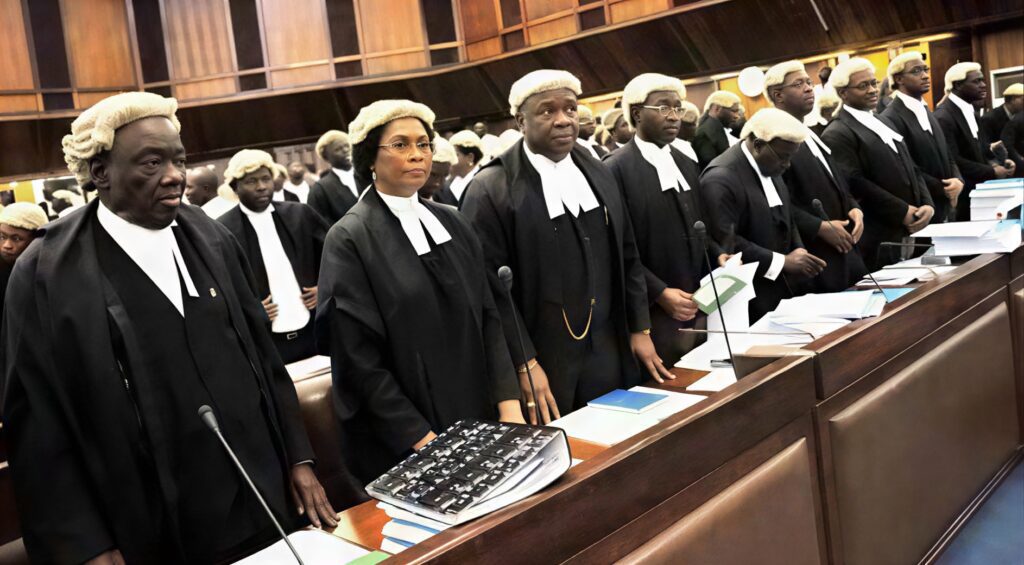
Meanwhile, the South Dayi legislator stated that attempts to introduce reforms initially faced resistance from sections of the legal fraternity. He explained that proposals advanced through a private member’s bill were rejected despite increasing public concern over access to legal education.
“We were looking for an opportunity to push the reforms. Eventually we told our party to place it in the manifesto and they will find favour. Today, the process is moving forward.”
Honourable Dafeamekpor
The Majority Chief Whip further explained that stakeholder consultations played a significant role in shaping the final legislation. He indicated that contributions from both private and public law faculties influenced several provisions contained in the bill.
READ ALSO: Dafeamekpor Flags Due Process Concerns in Arrest of Ghanaian MP