United Kingdom has committed up to £20 million in new funding to support efforts to contain the deadly Ebola outbreak in eastern Democratic Republic of the Congo (DRC), as international concern grows over the spread of the rare Bundibugyo strain of the virus.
The emergency funding will support the World Health Organization (WHO), United Nations agencies, international partners and non-governmental organizations as they work to strengthen disease surveillance, support frontline health workers, improve infection prevention and control, and ensure affected communities can access lifesaving care.
Most confirmed cases have been recorded in Ituri province in eastern DRC, a region already grappling with prolonged insecurity, mass displacement and limited health infrastructure.
Foreign Secretary Yvette Cooper and the Secretary of State for Health and Social Care noted that, “it is vital we act now to save lives – outbreaks like Ebola do not stop at borders, and neither can we.”
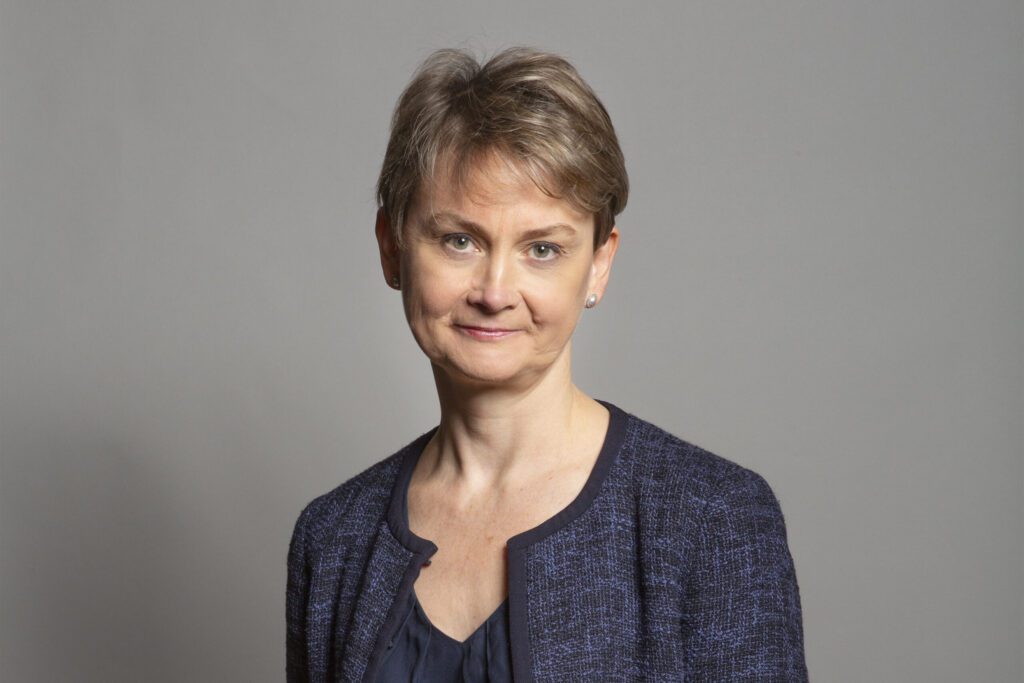
“This outbreak is a stark reminder that global health threats require a global response. The UK is working hand-in-hand with partners – boosting much-needed funding but also sharing our technical expertise, to contain the outbreak, protect our security, and support those most at risk.”
Yvette Cooper
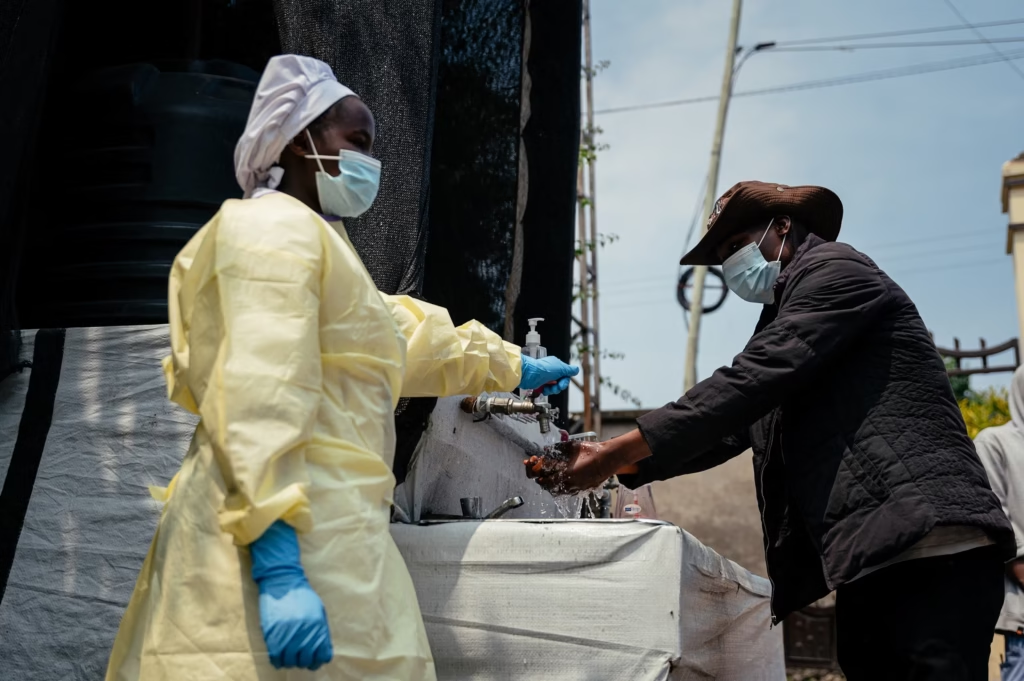
British humanitarian partners are already active on the ground. Through the Strategic Assistance for Emergency Response (SAFER) consortium, UK is redirecting existing funding to improve water, sanitation and hygiene systems, provide frontline responders and local communities with vital personal protective equipment, and reinforce Ebola containment measures.
The UK government is also refocusing programmes to protect maternity facilities and support civil society organisations working to strengthen disease prevention and control, while helping to reduce the risk of birth complications and sexual violence during the outbreak.
Furthermore, UK Health Security Agency (UKHSA) is also assessing routes by which travellers enter the UK from affected countries and is working with the Foreign, Commonwealth & Development Office, Department for Transport and Border Force to ensure passengers are informed about Ebola symptoms and how to seek medical care if they become unwell.
In addition, UKHSA has activated its Returning Workers Scheme to monitor and protect the health of people travelling from the UK to affected areas for work.
According to Dr Mike Reynolds, Incident Director at UKHSA, ” UK Public Health Rapid Support Team stands ready to activate should requests for support be received from the DRC or Ugandan government, WHO, or other partners involved in response on the ground. ”
“While the current outbreak of Ebola affecting the Democratic Republic of Congo and Uganda is serious, the risk it poses to the UK population is low. UKHSA continues to monitor and assess the situation closely and the NHS has safe procedures in place for any such cases and specialist centres where they can be looked after.”
MIke Reynolds
WHO Puts Community Trust at Centre of Ebola Response in DR Congo
Meanwhile, the World Health Organization (WHO) has placed community trust at the heart of efforts to contain the Ebola outbreak caused by the rare Bundibugyo strain in eastern Democratic Republic of the Congo (DRC), where insecurity and mass displacement continue to complicate response operations.
The UN health agency has assessed the outbreak as posing a high risk at the national and regional levels, while maintaining that the threat remains low globally.
Although the outbreak has been designated a public health emergency of international concern, WHO has determined that it does not currently meet the criteria for a pandemic emergency.
Health authorities have confirmed 51 cases in the provinces of Ituri and North Kivu, but the overall scale of the outbreak is believed to be significantly larger.
WHO has recorded nearly 600 suspected cases and 139 suspected deaths, while two linked infections have also been identified in Uganda’s capital, Kampala.
With no licensed vaccine or specific treatment available for the Bundibugyo strain, WHO and its partners are concentrating on rapidly interrupting transmission through surveillance, contact tracing and community engagement.
According to WHO Emergency Director for Africa, Dr Marie Roseline Belizaire, “the speed of the response in the first days is essential to interrupt transmission and avoid a wider spread of this epidemic.”
“Every emergency, every epidemic begins in a community and ends in a community. If we don’t have this community trust, no matter what actions we take, they will not be accepted.”
Dr Marie Roseline Belizaire
The organisation is drawing on lessons from previous outbreaks to implement a more participatory response that works alongside communities instead of imposing outside solutions.
More than 11 tonnes of medical supplies have already been delivered to Bunia with support from MONUSCO, the World Food Programme, Médecins Sans Frontières and other humanitarian partners.
Despite the difficult security environment, WHO remains confident that the outbreak can be brought under control.