Ghana’s cedi has plunged into dangerous territory after emerging as one of Africa’s worst-performing currencies in 2026, raising fresh fears over the country’s economic stability and the rising cost of living.
The local currency, which has been under intense pressure in recent weeks, is now officially ranked as the weakest-performing currency in West Africa on a year-to-date basis. Analysts say the sharp decline reflects growing pressure from import demand, persistent foreign exchange shortages, and mounting anxiety in the market.
According to multiple financial analyses, including reports published by Reuters using data from the London Stock Exchange Group (LSEG), the cedi had already recorded a year-to-date depreciation of 10.28 percent against the US dollar by early May.
At the time, the cedi traded at 11.36 to the dollar. However, the decline has continued beyond expectations, with the currency closing last week at around 11.61 to the dollar, further deepening concerns about Ghana’s economic direction.
The situation has now placed the cedi among the continent’s weakest currencies alongside troubled economies such as Libya, whose dinar has also suffered severe depreciation this year.
Reuters Predicts Further Decline
International financial observers are warning that the pressure on the cedi may not end anytime soon.
A Reuters report painted a grim picture of Ghana’s forex market, blaming the situation on aggressive foreign currency demand from importers and corporate institutions.
“Ghana’s cedi is being dragged down by persistent corporate foreign-currency demand, particularly from the energy sector,” the Reuters report said.
The report further stressed that the market trend points to additional depreciation in the coming weeks unless major interventions are introduced to restore confidence.
As predicted, the cedi’s value continued to slide after the publication of the report, strengthening fears that the local currency could face even more turbulence in the months ahead.

The latest developments are causing panic among traders and importers, many of whom say they are struggling to secure dollars at official market rates.
Inflation Drops But Prices Keep Rising
One of the biggest contradictions worrying Ghanaians is the fact that the cedi’s decline is happening despite improvements in several key economic indicators.
Inflation has dropped significantly in recent months, and policymakers have repeatedly highlighted signs of economic recovery. Yet the cedi continues to weaken sharply against major international currencies.
This unusual trend has left businesses and consumers frustrated as prices of goods and services remain painfully high across markets.
Importers say they are forced to buy foreign currency at rates much higher than the official figures quoted by banks and financial institutions. The added costs are eventually transferred to consumers through increased prices.
Food items, electronics, spare parts, fuel-related products, and imported household goods continue to witness price hikes despite easing inflation data.
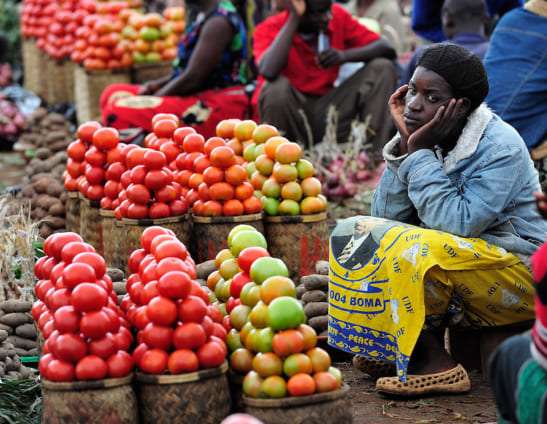
Market analysts argue that inflation alone cannot stabilize a currency if forex demand remains extremely high and investor confidence stays weak.
Pressure From Importers And Energy Sector
Experts believe Ghana’s heavy reliance on imports is worsening the pressure on the cedi.
Businesses in sectors such as energy, manufacturing, and trading continue to demand large volumes of dollars to finance imports and settle international obligations.
The Reuters report noted that demand for forex from importers is fuelling a “steady” slide of the cedi.
This situation has created intense competition for dollars in the market, forcing the cedi to lose value rapidly.
Some analysts warn that unless Ghana significantly boosts exports and strengthens local production, the pressure on the currency may persist for a long time.
Others are calling for stricter forex management measures and stronger interventions from the Bank of Ghana to prevent further instability.
Anxiety Grows Across Financial Markets
The cedi’s persistent decline is now becoming a major concern for investors, businesses, and ordinary citizens.
Many fear that continued depreciation could affect business confidence, increase debt repayment burdens, and slow down economic recovery efforts.
The uncertainty is also creating nervousness in Ghana’s financial markets, where traders are closely monitoring every movement in the forex sector.
Despite assurances from the Bank of Ghana that measures are being implemented to stabilize the currency, many businesses remain unconvinced as the cedi continues its downward journey.
Financial experts say restoring confidence will require stronger forex reserves, improved export earnings, and tighter monetary management.
Currently, however, the cedi remains trapped in a difficult cycle of rising demand, weakening confidence, and continuous depreciation.
As Reuters concluded, the cedi “is on a depreciating path due to persistent FX demand, with traders expecting the trend to continue.”
With pressure mounting daily, Ghanaians are anxiously watching to see whether policymakers can halt the decline before the situation spirals into a deeper economic crisis.
READ ALSO: Investors Rattled as GSE Ends Week Bearish