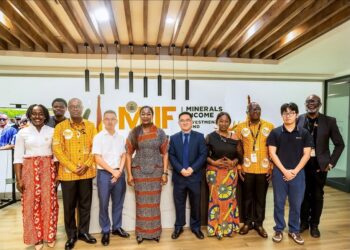
Ghana Gold Board (GoldBod) has entered into a landmark refinery partnership with Royal Ghana Gold Limited, a strategic maneuver designed to accelerate the nation’s mineral value addition agenda.
This agreement mandates that GoldBod supply up to one metric tonne of gold on a weekly basis for local refining, acting as a pivotal step in the government’s broader vision to ensure the country extracts maximum economic benefit from its mineral resources before they are cleared for export.
“The Ghana Gold Board (GoldBod) has signed a landmark refinery agreement with Royal Ghana Gold Refinery in a major step towards Ghana’s mineral value addition agenda. Under the agreement, GoldBod will supply up to one metric tonne of gold every week for local refining, reinforcing government’s vision of ensuring that Ghana derives maximum value from its mineral resources before export. This marks GoldBod’s second refinery partnership in 2026, following the earlier agreement with Gold Coast Refinery.”
Ghana Gold Board (GoldBod)
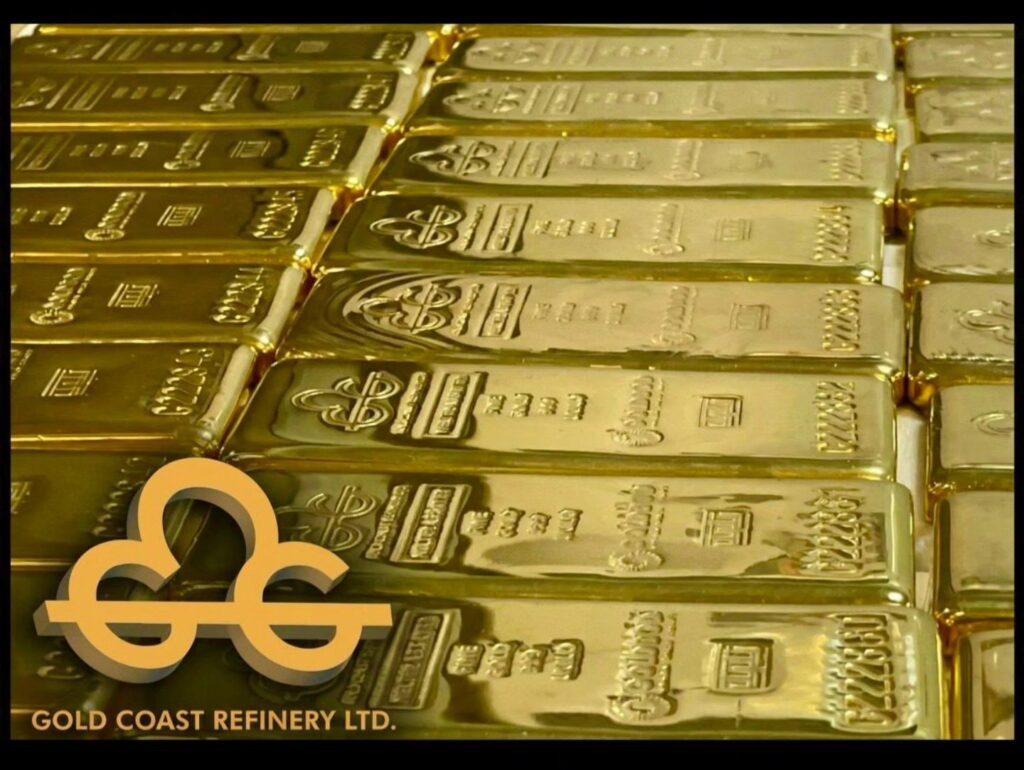
This development represents GoldBod’s second significant refinery alliance within 2026, building upon an earlier partnership established with the Gold Coast Refinery.

By localizing the refining process, the government aims to revolutionize the industry by retaining essential refining fees that were previously lost to foreign entities, recovering valuable by-products during processing, and stimulating the domestic labor market.
Together with the Bank of Ghana, Royal Ghana Gold Refinery has pledged its full support toward advancing this national industrialization and economic transformation drive.
Capturing Value Through Industrialization
The transition from a raw ore exporter to a value-adding industrial economy is essential for Ghana’s long-term prosperity.
Historically, the nation suffered significant capital flight by exporting raw doré bars, missing out on the substantial profit margins associated with finished bullion.
By localizing refining, GoldBod is effectively “retaining wealth that would otherwise circulate in foreign economies,” as industry analysts have frequently observed.

Beyond the retention of refining fees, the process allows for the extraction of precious by-products such as silver, which can further fuel local jewelry manufacturing and other downstream industrial sectors.
This policy shift is fundamentally about shifting the country’s economic identity from resource extraction to resource management, ensuring that the economic multiplier effect stays firmly within Ghanaian borders.
Employment and Skills Development
The operational demands of a weekly one-tonne refining target necessitate a robust, round-the-clock industrial ecosystem.
This requirement serves as a major catalyst for job creation, spanning from specialized roles in metallurgy and laboratory analysis to essential logistics, security, and administrative support.
Furthermore, the partnership facilitates critical technology and skills transfer. As GoldBod CEO Sammy Gyamfi, Esq. emphasized during the signing ceremony, such collaborations are vital for building a highly skilled local workforce.
By mentoring Ghanaian technicians and engineers in modern refining standards, the nation is actively reducing its long-term reliance on foreign expertise and building a sustainable industrial foundation that will support the gold sector for generations to come.
Strengthening Macroeconomic Stability
The strategic move to formalize and refine gold domestically plays a significant role in stabilizing Ghana’s macroeconomic landscape.
By centralizing the supply chain and ensuring that refining occurs within national borders, the state is better positioned to monitor output and improve traceability.

This level of oversight is a prerequisite for achieving international certifications, which in turn can command premium pricing for Ghanaian gold on the global market.
The Bank of Ghana’s involvement underscores the importance of this initiative in bolstering foreign exchange earnings, which are vital for mitigating currency volatility.
As Ghana continues to cement these partnerships, the country is steadily moving toward an era where its mineral wealth directly underpins national development and fiscal sovereignty.
READ ALSO: Striker Afena-Gyan Suffers Burglary After Returning From International Assignment