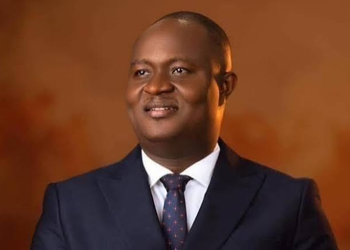
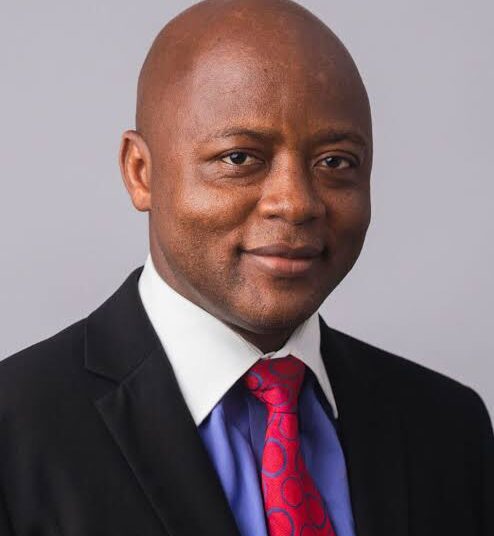
President John Dramani Mahama has appointed Dr Abdul-Baasit Aziz-Bamba, a Harvard-trained lawyer and former Senior Lecturer at the University of Ghana School of Law, as Acting Director-General of the Value for Money Office, according to a Presidency Communications statement issued on Tuesday, September 8, 2026.
The appointment, signed by Spokesperson to the President and Minister for Government Communications Felix Kwakye Ofosu, was made in accordance with Article 195(1) of the 1992 Constitution and Section 14(1) of the Value for Money Office Act, 2026 (Act 1172).
Dr Aziz-Bamba will serve in an acting capacity pending receipt of the constitutionally required advice of the Governing Board, given in consultation with the Public Services Commission, a procedural step that will need to be completed before his appointment becomes substantive.
From the Lecture Hall to a New State Institution
The statement describes Dr Aziz-Bamba’s academic background in brief but pointed terms. Until his appointment, he served as a Senior Lecturer at the University of Ghana School of Law, having trained at Harvard, a credential the Presidency’s statement places prominently in explaining the choice.

The appointment places a specialist in legal and academic training at the head of an institution whose core function is technical and financial scrutiny of government contracts, a pairing that reflects the Act’s broader emphasis on professional, rather than purely administrative, oversight of public spending.
The statement frames Dr Aziz-Bamba’s appointment as marking an important step towards operationalising the Office, a step in a process that has already run for months since the underlying legislation was first introduced.
A Firewall Against Inflated Contracts, Nearly a Year in the Making
The Value for Money Office traces its origin to a February 24, 2026 bill laid before Parliament by Finance Minister Dr Cassiel Ato Forson, who described it at the time as a decisive step toward tackling chronic inefficiencies in Ghana’s public financial management system, including inflated contracts, abandoned projects, cost overruns and wasteful public expenditure.
Following the bill’s passage in March 2026, the Ministry of Finance moved to clarify its rationale, describing the new office as a firewall against inflated public contracts and inefficient spending.
The Ministry drew a sharp distinction between the Public Procurement Authority’s existing mandate, which ensures procurement processes follow legal procedure, and the Value for Money Office’s intended function, assessing whether projects are actually cost-effective, technically sound, and sustainable regardless of whether they cleared procedural requirements.
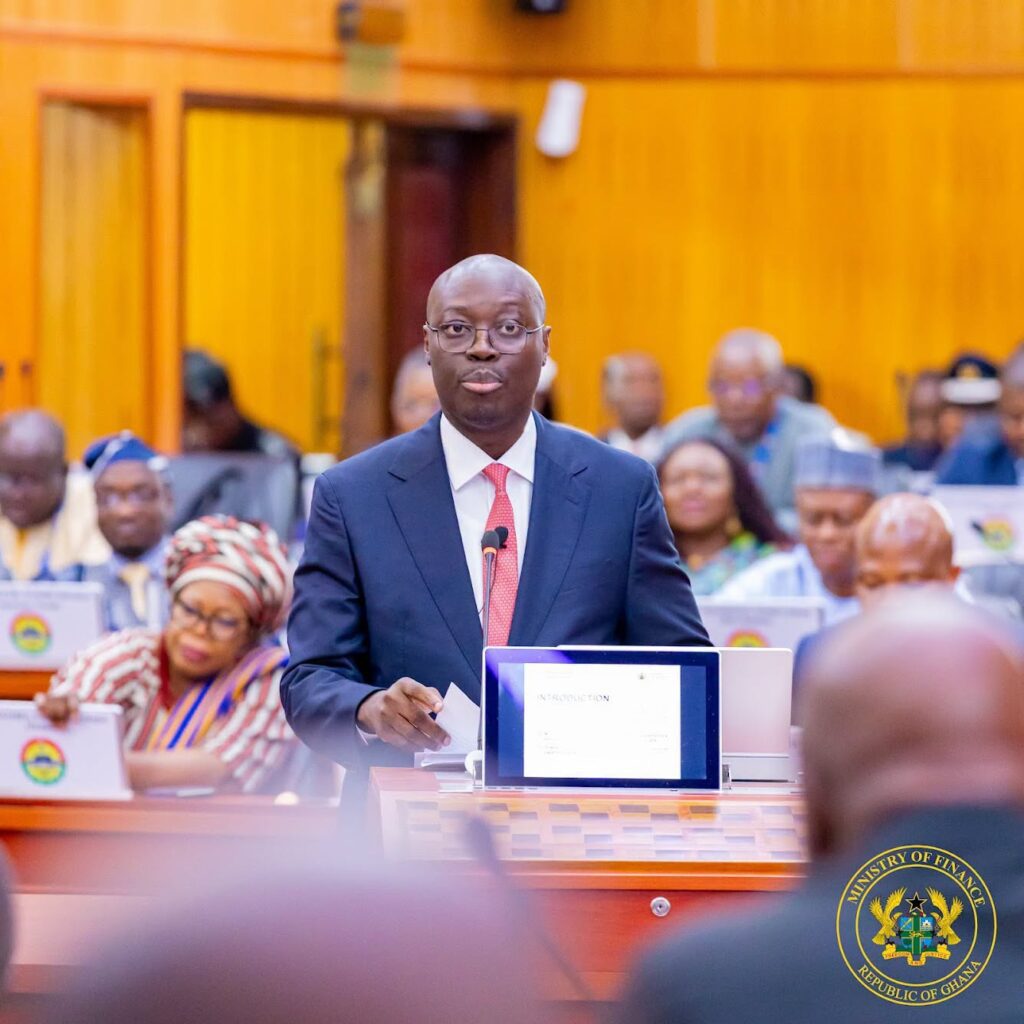
Officials at the time noted that Ghana’s public financial management framework had required value for money assessments primarily for sole-sourced contracts, leaving many other projects, including those funded through competitive bidding, public-private partnerships, state-owned enterprises or internally generated funds, without comprehensive evaluation.
The new office is intended to extend that scrutiny across all public projects regardless of procurement method.
The Ministry also pointed to international precedent, citing similar independent value-for-money institutions operating in the United Kingdom, Singapore and the United States as models Ghana sought to emulate in strengthening its own financial governance framework.
Presidential Assent and a Six-Month Countdown to Operation
President Mahama formally signed the Value for Money Office Act into law on May 11, 2026, a ceremony Dr Forson described as the fulfilment of a key campaign commitment.
At the signing, the Finance Minister explained that all future single-source procurement arrangements would be subject to mandatory technical and financial review by the new office before approval, and that the government intended to use the following six months to properly constitute the Office, nominate its leadership and assemble its technical team.
Dr Forson expressed confidence at the time that the Office would be fully operational by January 2027, and argued that the institution had the potential to be self-sustaining, generating savings through reduced public expenditure that could offset its own operating costs and free up fiscal space for other national priorities including healthcare, education and infrastructure.
What Comes Next for the New Acting Director-General
The Presidency’s statement frames Dr Aziz-Bamba’s mandate in direct terms, describing the Office as tasked with ensuring that every cedi of public expenditure serves the public good.
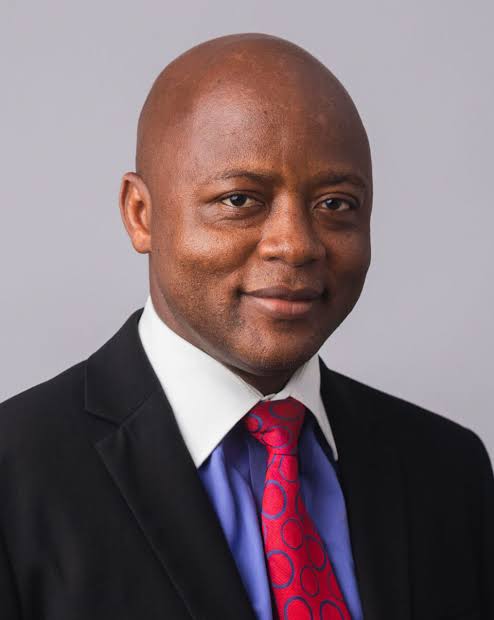
His appointment is intended to strengthen scrutiny of public spending, curb waste and ensure that public expenditure delivers tangible benefits to Ghanaians, objectives that align closely with the justification the Ministry of Finance offered when the underlying legislation was first debated.
With Dr Aziz-Bamba now in place in an acting capacity, attention turns to how quickly the Governing Board’s advice can be finalised in consultation with the Public Services Commission, and whether the Office can meet the January 2027 operational target Dr Forson set when the Act was signed into law four months ago.
READ ALSO: Ukraine’s Prosecutor General Resigns Amid Corruption Scandal