
A socio-political pressure group, Arise Ghana has issued a strident call for the Government of Ghana to immediately revoke its partnership with South African mining interests and mandate the departure of all South African nationals currently residing in the country.
This radical stance is presented as a direct retaliatory and corrective measure against the persistent, violent xenophobic attacks targeting Ghanaians and other African nationals within South African borders, which the group contends have become an intolerable stain on the continent’s Pan-Africanist aspirations.
“…b) That the NDC Government reject any renewal of mining leases involving Gold Fields until there is a clear demonstration of responsible corporate citizenship and respect for Ghanaian national interests.”
Arise Ghana
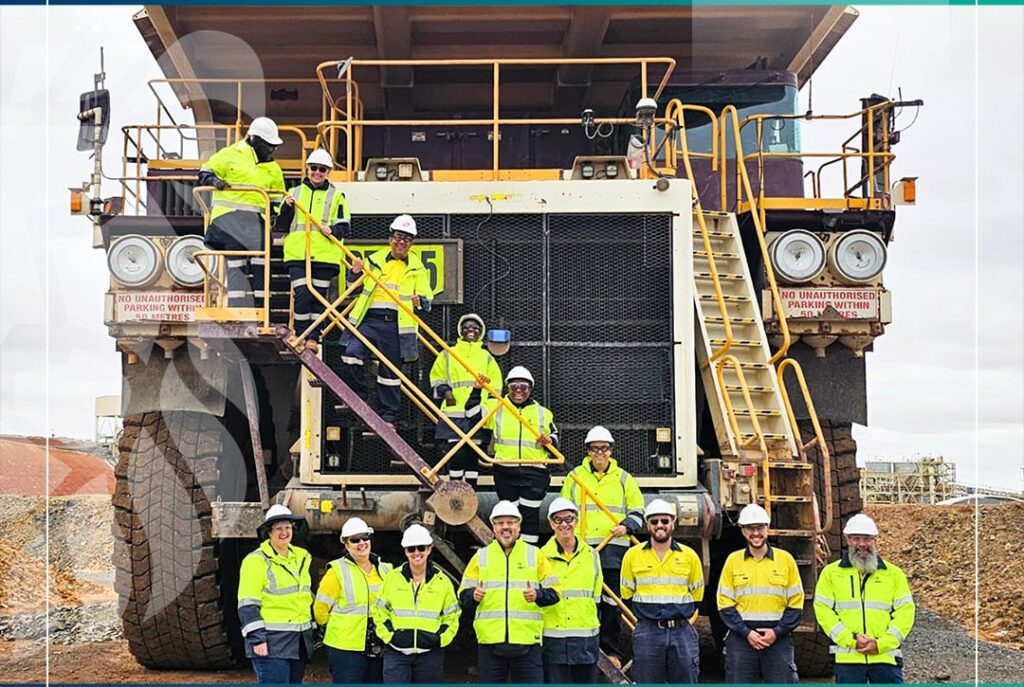
The organization argues that the current diplomatic climate necessitates a radical decoupling of economic ties to force accountability, framing the continued operation of South African corporations in Ghana specifically Gold Fields as fundamentally incompatible with the safety and dignity of Ghanaians abroad.
By demanding the rejection of mining lease renewals and the repatriation of South African residents, Arise Ghana aims to leverage domestic economic control to assert national sovereignty, suggesting that the “continuous targeting of African migrants violates the African Charter on Human and Peoples’ Rights” and undermines the very foundations of regional integration.



“At a time when Ghanaian citizens are facing hostility and violence in South Africa, and the demand for their return to fix Ghana, it is unacceptable for Ghana to continue granting strategic economic privileges without a broader assessment of reciprocal respect, accountability, and mutual benefit between both nations and associated corporate interests.”
Arise Ghana
Leveraging Domestic Resources for National Sovereignty
The core of Arise Ghana’s economic argument lies in the belief that strategic natural resource management must be re-oriented toward indigenous empowerment to stabilize the local economy.
The group posits that by denying Gold Fields a lease renewal, the state can immediately reclaim significant mining concessions and reallocate them to local entities, such as Engineers and Planners.
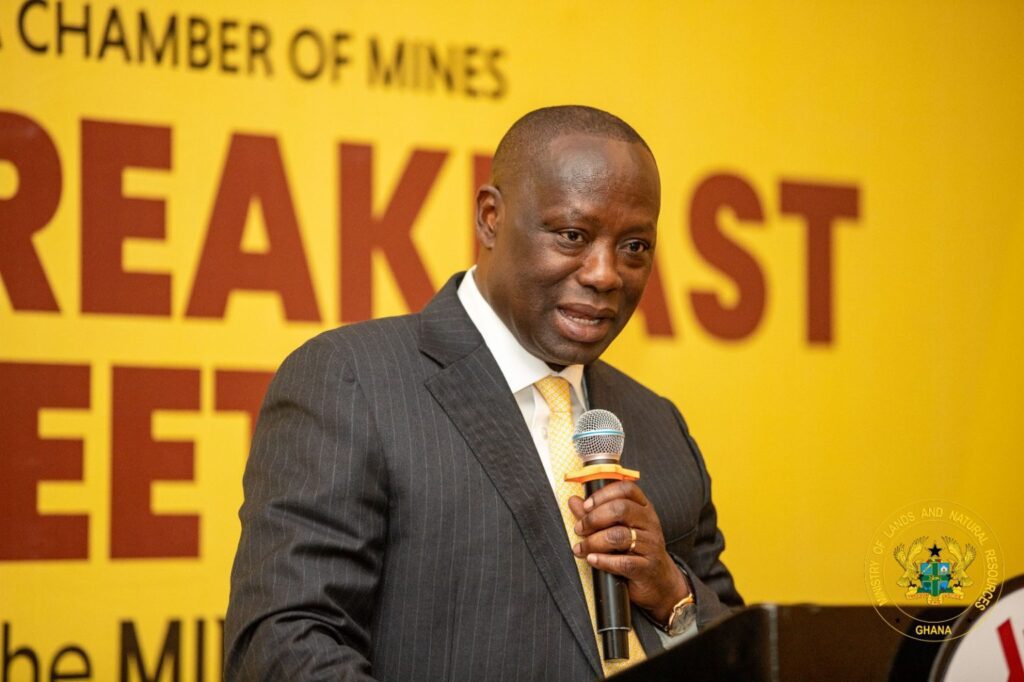
The group asserts this transition is essential “to mine for the proceeds to stay in Ghana for our economic benefits.”
This strategy of “indigenization” is framed as a necessary step to “fix” the country, as it seeks to eliminate the capital flight often associated with foreign-owned mining operations.
From this perspective, the reliance on multinational conglomerates prevents the state from maximizing its resource rent.
By prioritizing local firms, the group suggests that wealth creation would be localized, stimulating broader economic development, infrastructure investment, and job creation for citizens who are currently struggling under existing economic frameworks.
Diplomatic Pressure and the Repatriation Demand
The directive for South African nationals to depart is presented not merely as a populist demand but as an urgent geopolitical signal to the Pretoria administration.
Arise Ghana maintains that the “culture of impunity” regarding xenophobia can only be disrupted if Ghana demonstrates that it is willing to impose real-world consequences for the mistreatment of its citizens.

While the group formally commended the efforts of Foreign Affairs Minister Samuel Okudzeto Ablakwa and High Commissioner Benjamin Quarshie for facilitating the safe return of 300 citizens, they view this as a reactive measure insufficient to deter future violence.
By demanding that South African business interests and residents return home, Arise Ghana is effectively attempting to weaponize the mutual dependence of bilateral relations.
They argue that Ghana must adopt a more aggressive stance, utilizing African Union legal frameworks such as the African Court on Human and Peoples’ Rights to seek reparations, while simultaneously exerting domestic pressure to ensure that South African corporate interests feel the weight of their government’s inability to protect foreign nationals.
Building a Pan-African Future Through Accountability
Ultimately, the group insists that the path to a genuinely integrated Africa cannot be paved with the bodies of its citizens.
They warn that continued tolerance of xenophobia “weakens regional cooperation, damages economic integration, and betrays the vision of a united continent championed by our forebears.”

For Arise Ghana, “fixing” the nation is intrinsically linked to how the government asserts its authority on the international stage.
They maintain that true Pan-Africanism requires a reciprocal commitment to human rights that must be enforced through both diplomatic channels and robust economic policy.
By closing the door to companies that benefit from the Ghanaian state while the Ghanaian people are being harassed in the companies’ home country, the group believes the government can force a paradigm shift.
They conclude that the nation must remain “firm in its response” to ensure that the spirit of solidarity is not merely a rhetorical tool but a lived reality for every African citizen.
READ ALSO: House of the Dragon Season 3 Premieres on June 21