

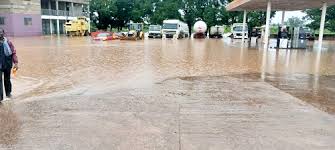
The National Petroleum Authority (NPA) has introduced mandatory safety measures for fuel stations affected by flooding, directing operators to suspend operations immediately where floodwaters have inundated service stations until comprehensive safety inspections have been completed.
The directive comes as concerns grow over the risk of water contaminating underground fuel storage tanks following recent heavy rains, prompting renewed attention to fuel quality and public safety across the downstream petroleum sector.
The regulator’s latest notice reinforces warnings issued earlier this week by industry players, including Star Oil Chief Executive Officer Kwame Tieku, who advised motorists to postpone buying fuel unless absolutely necessary during periods of severe flooding.
Avoid buying fuel today if not urgent. Floods are a big risk for water entering fuel underground tanks. Our teams are constantly monitoring for water infiltration though, but avoid filling up if you can.
Kwame Tieku, CEO, Star Oil
Although fuel stations are designed with safeguards that normally prevent water from mixing with fuel, prolonged flooding can overwhelm those systems if underground tanks become inundated.
Recognising that risk, the NPA has now issued nationwide operational directives that go beyond consumer caution, making compliance mandatory for affected fuel stations.
Stations ordered to halt operations
Under the new measures, any fuel station affected by flooding must immediately stop dispensing fuel and suspend all loading and offloading activities.
Operators have also been instructed to disconnect electrical power to pumps and forecourt equipment where it is safe to do so, evacuate staff and customers from affected premises and establish exclusion zones around flooded facilities.
The Authority further directed operators to eliminate all possible ignition sources, including smoking, naked flames and welding activities, while immediately notifying the appropriate authorities, including the Ghana National Fire Service (GNFS), the Environmental Protection Agency (EPA) and the respective Oil Marketing Company.
According to the NPA, operations can only resume after floodwaters have completely receded, joint safety inspections have been conducted by the Authority and the Ghana National Fire Service, and underground storage tanks, pipelines, dispensers and associated equipment have been certified safe for operation.
The regulator also directed that any contaminated fuel or hazardous waste discovered during inspections must be safely removed and disposed of in accordance with environmental regulations.
The sale or distribution of contaminated petroleum products constitutes a violation of applicable petroleum regulations and will attract severe sanctions.
National Petroleum Authority
Why flooding poses a fuel risk
Industry experts explain that water is denser than petrol and diesel, meaning it naturally settles at the bottom of underground storage tanks.
Under normal operating conditions, fuel dispensing systems are designed to draw fuel from above this water layer.
However, if floodwater enters storage tanks in sufficient quantities and rises above the suction level, contaminated fuel, or even water itself can be pumped into customers’ vehicles.
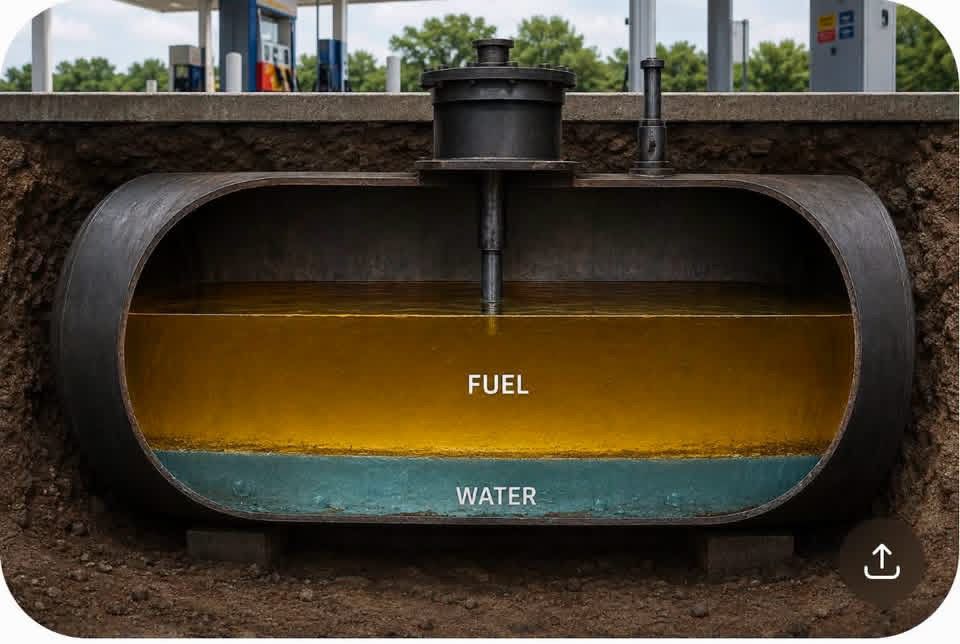
Such contamination can lead to engine performance problems, costly repairs and broader concerns about fuel quality if not detected early.
Most modern filling stations rely on Automated Tank Gauging (ATG) systems and manual inspections using water-sensitive dipping paste to detect water intrusion before it affects fuel supplied to motorists.
The NPA’s latest directive effectively makes these monitoring processes part of a broader regulatory response following the recent floods.
Public urged to stay away from flooded stations
Beyond operational requirements, the Authority has advised motorists and nearby residents to avoid entering flooded filling stations or driving through affected forecourts.
The public has also been urged to report visible fuel leaks, strong petroleum odours or oil sheens observed on floodwaters, warning that contaminated runoff could pose both environmental and safety risks.

Operators have equally been instructed to prevent contaminated water or petroleum products from entering drains, streams and rivers, with suspected pollution incidents required to be reported immediately to both the EPA and the NPA.
More than fuel quality
The latest directive highlights a broader challenge facing Ghana’s downstream petroleum sector as increasingly intense rainfall events test infrastructure originally designed for different weather conditions.
While most discussions around flooding focus on damaged roads and disrupted transport, petroleum infrastructure is equally vulnerable.
Underground tanks, electrical systems, drainage facilities and fuel delivery equipment all require careful inspection after flood events before operations can safely resume.
Failure to do so not only risks damaging vehicles but could also create fire hazards, environmental contamination and wider public safety concerns.

For motorists, the practical advice remains straightforward.
Avoid purchasing fuel from stations visibly affected by flooding until they have resumed operations with regulatory clearance. If flooding has recently occurred in your area, watch for official updates from the NPA or your preferred fuel retailer rather than relying on assumptions that every station remains unaffected.
The Authority says it will undertake compliance inspections nationwide and has warned that any station found operating without the required safety clearance will face enforcement action, including suspension of operations, regulatory sanctions and possible prosecution.
The latest measures demonstrate that what initially appeared to be an operational concern for filling stations has now become a broader public safety issue, one that regulators, fuel marketers and consumers all have a role in managing as Ghana’s rainy season continues.
READ ALSO: Trump Pressures Gas Retailers to Cut Prices