The Ghana Health Service (GHS) has renewed its public health warning over the heightened risk of cholera, typhoid, dysentery, malaria and other waterborne and vector borne diseases as persistent rains and flooding affect parts of the country, urging the public to adopt preventive measures before isolated cases develop into widespread outbreaks.
The renewed advisory, issued by the Ministry of Health through the Ghana Health Service and signed by Director-General Dr. Samuel Kaba Akoriyea, comes as heavy rainfall continues to increase concerns over sanitation, contaminated water sources and mosquito breeding across several communities.
“Good hygiene is our first line of defence especially during the rains. Together, we can prevent cholera, typhoid, dysentery, malaria and other disease outbreaks.”
Ministry of Health and the Ghana Health Service
Ghana Health Service said the onset of the rainy season presents predictable but serious public health risks that require immediate action by households, food vendors and communities to minimise disease transmission.
According to the GHS, the first rains following prolonged dry periods often wash contaminated faecal matter into rivers, streams and other water sources used by residents, creating favourable conditions for outbreaks of cholera, typhoid and dysentery.
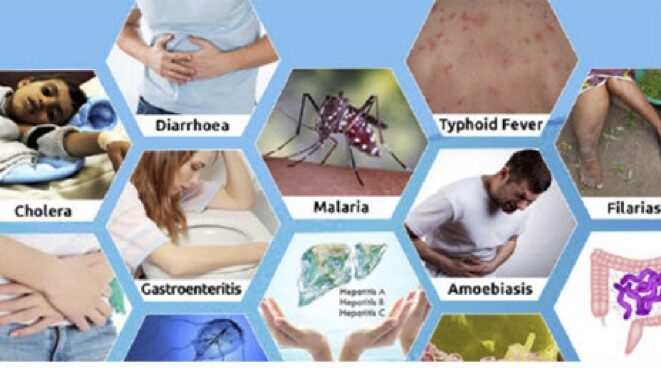
At the same time, stagnant water left behind by the rains provides ideal breeding grounds for mosquitoes that transmit malaria, yellow fever and dengue fever.
“The Ministry of Health, through the Ghana Health Service, wishes to inform the public about the onset of the rainy season and its associated public health risks.”
Ministry of Health and the Ghana Health Service
Early Rains Heighten Risk of Waterborne Diseases
The Ghana Health Service explained that seasonal weather patterns significantly increase the likelihood of water contamination, particularly after extended periods without rainfall.
According to the Service, rainwater frequently washes human waste and other contaminants into water bodies, increasing exposure to dangerous bacteria responsible for several waterborne diseases.
The advisory also warned that vegetables cultivated near rivers, streams and other water bodies could become contaminated during this period if proper washing procedures are not followed before consumption.
“Following prolonged dry periods, the early rains often lead to an increase in waterborne diseases such as typhoid, cholera, and dysentery. This occurs when rainwater carries contaminated faecal matter into water sources.”
Ministry of Health and the Ghana Health Service
The renewed warning comes at a time when parts of the country continue to experience flooding, a situation public health expert have consistently associated with deteriorating sanitation conditions, disrupted waste management systems and increased pressure on already vulnerable water supplies.

Public health surveillance during rainy seasons often focuses on preventing isolated infections from escalating into community outbreaks, making early public education an essential component of disease control.
Mosquito-Borne Diseases Also Expected to Rise
Beyond waterborne infections, the Service warned that rainfall creates favourable breeding conditions for mosquitoes responsible for transmitting malaria and other viral diseases.
According to the advisory, stagnant water collected in discarded cans, old tyres and similar containers remains one of the leading breeding grounds for mosquitoes during the rainy season.
“The rains also create breeding grounds for mosquitoes, increasing the risk of diseases such as malaria, yellow fever, and dengue fever. Common breeding sites include stagnant water collected in discarded items like cans, old tyres, and other containers.”
Ministry of Health and the Ghana Health Service
The warning reflects longstanding public health concerns that malaria cases typically increase during prolonged rainy periods as mosquito populations expand rapidly in communities where drainage systems are poor or blocked.
Health experts have repeatedly stressed that eliminating mosquito breeding sites remains one of the most effective methods of reducing malaria transmission alongside the use of insecticide-treated mosquito nets and prompt treatment.
GHS Issues Comprehensive Preventive Measures
To reduce the risk of disease outbreaks, the Ghana Health Service outlined several preventive measures for the general public.
Residents have been advised to keep their surroundings clean and free from containers capable of collecting water, clear bushes around homes, thoroughly cook all food before consumption and properly wash fruits and vegetables using clean water together with salt or vinegar.
The Service also encouraged the public to purchase food only from hygienic and reputable sources while maintaining regular handwashing with soap under running water, particularly before handling food.
Additionally, individuals experiencing symptoms of illness have been urged to report promptly to the nearest health facility for early diagnosis and treatment.

“Keep surroundings clean and free from containers that can collect water. Clear bushes around homes. Ensure all foods are thoroughly cooked before consumption. Wash hands regularly with soap under running water, especially before handling food.”
Ministry of Health and the Ghana Health Service
The emphasis on hygiene reflects growing concerns that poor sanitation following floods often accelerates disease transmission in densely populated communities.
Food Vendors Urged to Strengthen Food Safety
Recognising the critical role of food vendors in preventing disease outbreaks, the Ghana Health Service issued additional operational guidelines specifically targeting food preparation and handling.
The advisory instructed vendors to source food items only from hygienic and approved suppliers while observing strict food safety standards throughout preparation, storage and sale.
Food handlers were further directed to separate raw food items, including fish, from cooked or ready to eat foods to minimise cross-contamination.
The Service also reminded vendors to thoroughly wash fruits and vegetables with clean water and salt or vinegar while ensuring that food handling certificates remain valid and up to date.
These measures, according to the two public health authorities, are intended to reduce food borne infections that commonly increase during periods of heavy rainfall and flooding.
Flooding Also Raises Reptile Safety Concerns
Beyond infectious diseases, the advisory highlighted another seasonal risk that often receives less public attention.
According to the Ghana Health Service, flooding can force reptiles from their natural habitats into residential communities, increasing the likelihood of encounters with humans.
Residents have therefore been advised to keep doors and windows closed where possible, raise belongings off the floor to reduce potential hiding places and clear bushes and holes around homes that may shelter reptiles.
The warning illustrates the broader public health implications of flooding, extending beyond disease outbreaks to include environmental hazards that threaten household safety.
Public Cooperation Remains Critical
The renewed advisory underscores the Ministry of Health’s commitment to protecting public health during one of the country’s most vulnerable seasonal periods.
Rather than focusing solely on medical treatment, the guidance prioritises prevention through improved hygiene, environmental sanitation and early reporting of symptoms.
This preventive approach reflects international public health practice, where reducing exposure to disease-causing organisms remains more effective and less costly than responding to widespread outbreaks after transmission has accelerated.
Concluding the advisory, the Ghana Health Service reaffirmed government’s commitment to protecting lives while urging every resident to actively support disease prevention efforts.
“The Ministry of Health and the Ghana Health Service remain committed to safeguarding the health and well-being of all residents. Public cooperation is essential in preventing disease outbreaks during this rainy season.”
Ministry of Health and the Ghana Health Service
The renewed alert serves as a timely reminder that the health impacts of flooding extend far beyond damaged infrastructure. As the rainy season intensifies, sustained public vigilance, strict adherence to hygiene practices and close cooperation with health authorities will remain essential to limiting the spread of cholera, typhoid, dysentery, malaria and other preventable diseases across the country.
READ MORE: MIIF Champions Responsible Natural Resource Management