COMAC’s engagement with BOST Energies underscores how stronger coordination across Ghana’s downstream petroleum sector could improve fuel security, operational efficiency and long-term industry resilience.
The Chamber of Oil Marketing Companies (COMAC)’s recent working visit to BOST Energies’ Accra Plains Depot (APD) may not have produced a major policy announcement, but it reflects an increasingly important reality within Ghana’s energy sector: reliable fuel supply depends as much on institutional coordination and infrastructure as it does on fuel availability.
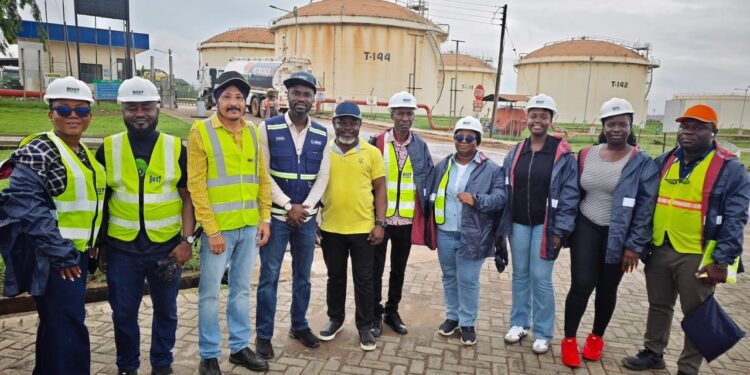
Led by Chief Executive Officer and Industry Coordinator, Dr Riverson Oppong, the Chamber’s delegation toured the facility and held discussions with management on fuel storage operations, safety systems and the logistics that underpin petroleum distribution across the country.
The visit provided valuable insights into operations at the depot, including its storage infrastructure, safety protocols, and the day-to-day logistical processes that support fuel distribution nationwide.
COMAC
Although presented as a stakeholder engagement, the visit comes at a time when attention is increasingly shifting from fuel pricing alone to the strength of Ghana’s downstream petroleum infrastructure.
Beyond Pump Prices
Recent weeks have largely been dominated by discussions over falling fuel prices following the National Petroleum Authority’s revised price floors and subsequent reductions announced by several Oil Marketing Companies.
While motorists naturally pay attention to what they spend at the pump, industry experts note that maintaining affordable fuel prices ultimately depends on a supply chain that functions efficiently from import terminals and refineries through storage depots and finally to retail stations.
That is where facilities such as the Accra Plains Depot become strategically important.
As one of the country’s petroleum storage and distribution facilities, the depot supports the movement of fuel to different parts of Ghana, helping maintain steady supplies even when market conditions become volatile.
Infrastructure Matters as Much as Supply
Energy security is often discussed in terms of crude oil imports or refining capacity.
However, petroleum cannot reach consumers without functioning storage facilities, reliable logistics and operational systems capable of moving products safely and efficiently across the country.

The discussions between COMAC and BOST Energies therefore point to a wider issue: strengthening infrastructure remains essential if Ghana is to build a more resilient downstream petroleum sector.
The Chamber said the engagement also explored opportunities to improve operational efficiency and deepen collaboration across the industry.
Those conversations are becoming increasingly relevant as Ghana seeks to modernise critical energy infrastructure while supporting a competitive petroleum market.
A Wider Shift Towards Institutional Coordination
The engagement also aligns with a broader pattern emerging across Ghana’s energy sector.
Only days earlier, the Ministry of Energy and Green Transition brought together its agencies and the Ministry of Finance to align priorities for petroleum, electricity and renewable energy development, emphasising that stronger inter-agency cooperation is necessary to deliver long-term reforms.
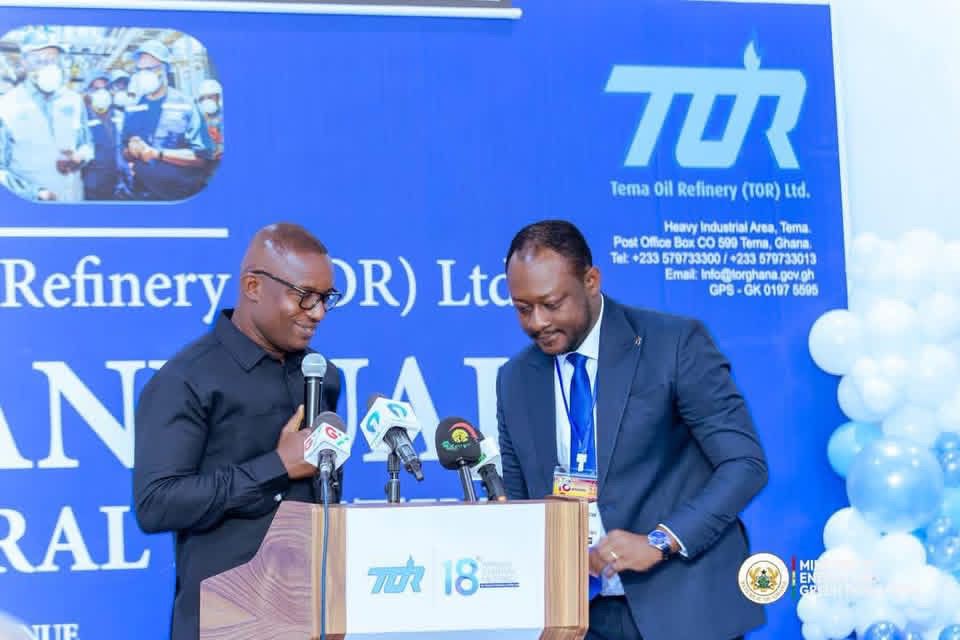
Similarly, discussions surrounding Tema Oil Refinery’s recent operational recovery have highlighted that restoring refining capacity alone is insufficient without dependable storage infrastructure and efficient downstream distribution networks.
Viewed together, these developments suggest that improving Ghana’s energy security increasingly requires coordinated action among regulators, state institutions and private operators.
Safety Remains Central
The visit also highlighted the importance of maintaining high operational and safety standards.
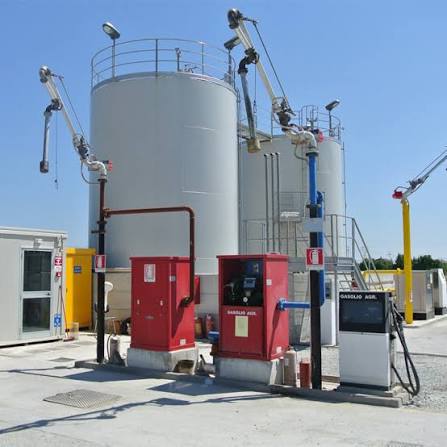
Petroleum depots handle large volumes of highly flammable products, making continuous monitoring, maintenance and adherence to safety procedures critical to protecting workers, nearby communities and the environment.
Strong safety practices also reduce operational disruptions that could interrupt fuel supplies.
COMAC commended BOST Energies for maintaining critical infrastructure while upholding operational and safety standards across its depot operations.
Building a More Resilient Downstream Sector
Although the engagement itself was not accompanied by new investment announcements, it reinforces an important message for Ghana’s downstream petroleum industry.
Reliable fuel supply depends on more than favourable international oil prices or competitive retail markets. It also requires institutions that collaborate effectively, infrastructure that is properly maintained and logistics systems capable of responding quickly to changing market conditions.
As Ghana continues pursuing reforms aimed at strengthening energy security and improving efficiency across the sector, engagements such as COMAC’s visit demonstrate that much of the work takes place behind the scenes, well before fuel reaches filling stations across the country.
READ ALSO: Education Minister Announces GH¢100 Million for PWDs, Doubles Student Feeding Grant