Tema Oil Refinery (TOR) has reported its first annual profit in almost a decade, posting a Profit After Tax of GH¢1.24 billion for the 2025 financial year in what management describes as a major milestone in the state-owned refinery’s recovery and governance reform efforts.
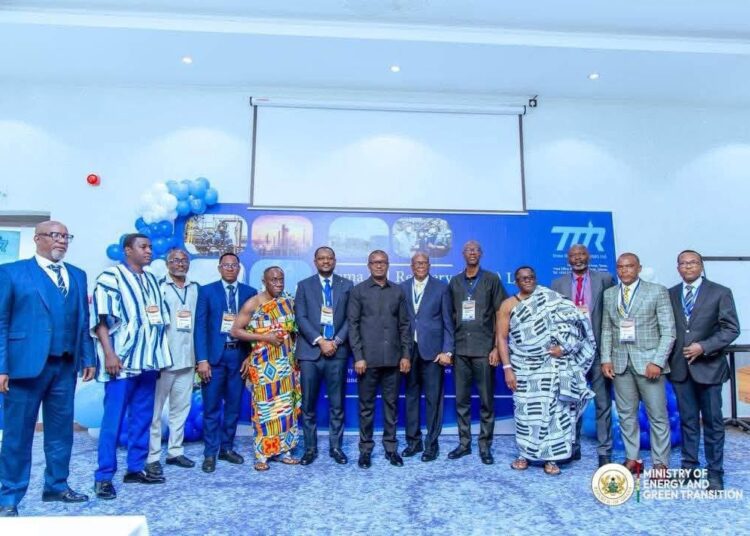
The announcement was made at TOR’s 18th Annual General Meeting (AGM), where shareholders, the State Interests and Governance Authority (SIGA), the Ministry of Finance, the Ministry of Energy and Green Transition, and other stakeholders reviewed the refinery’s performance and considered nine years of audited financial statements spanning 2017 to 2025.
The development comes at a time when Ghana is seeking to strengthen energy security, reduce dependence on imported refined petroleum products and improve the performance of state-owned enterprises that have historically placed pressure on public finances.
For many Ghanaians, the significance extends beyond the refinery’s balance sheet. A financially healthier TOR could improve confidence in one of the country’s most strategic energy assets, support future refining ambitions and potentially reduce some of the financial risks associated with petroleum imports, provided the turnaround is sustained through operational improvements rather than accounting gains alone.
Governance milestone after years of delays
One of the most significant outcomes of the AGM was the consideration of nine consecutive years of audited financial statements, audited by KPMG and the Ghana Audit Service.
The approval of accounts covering 2017 to 2025 addresses a longstanding governance gap that had left several years of the refinery’s financial position unresolved.

For investors, lenders and development partners, timely audited accounts are often viewed as a prerequisite for restoring institutional credibility and attracting future financing.
Industry analysts have long argued that improving governance standards within state-owned enterprises is as important as operational reforms, particularly for companies expected to play strategic roles in national development.
Profit marks first positive result since 2017
Management said the refinery recorded a Profit After Tax of GH¢1.24 billion in 2025, ending a string of annual losses that stretched back to 2017.
According to the Managing Director and CEO Edmond Kombat, the result reflects broader efforts to strengthen accountability and improve management discipline.
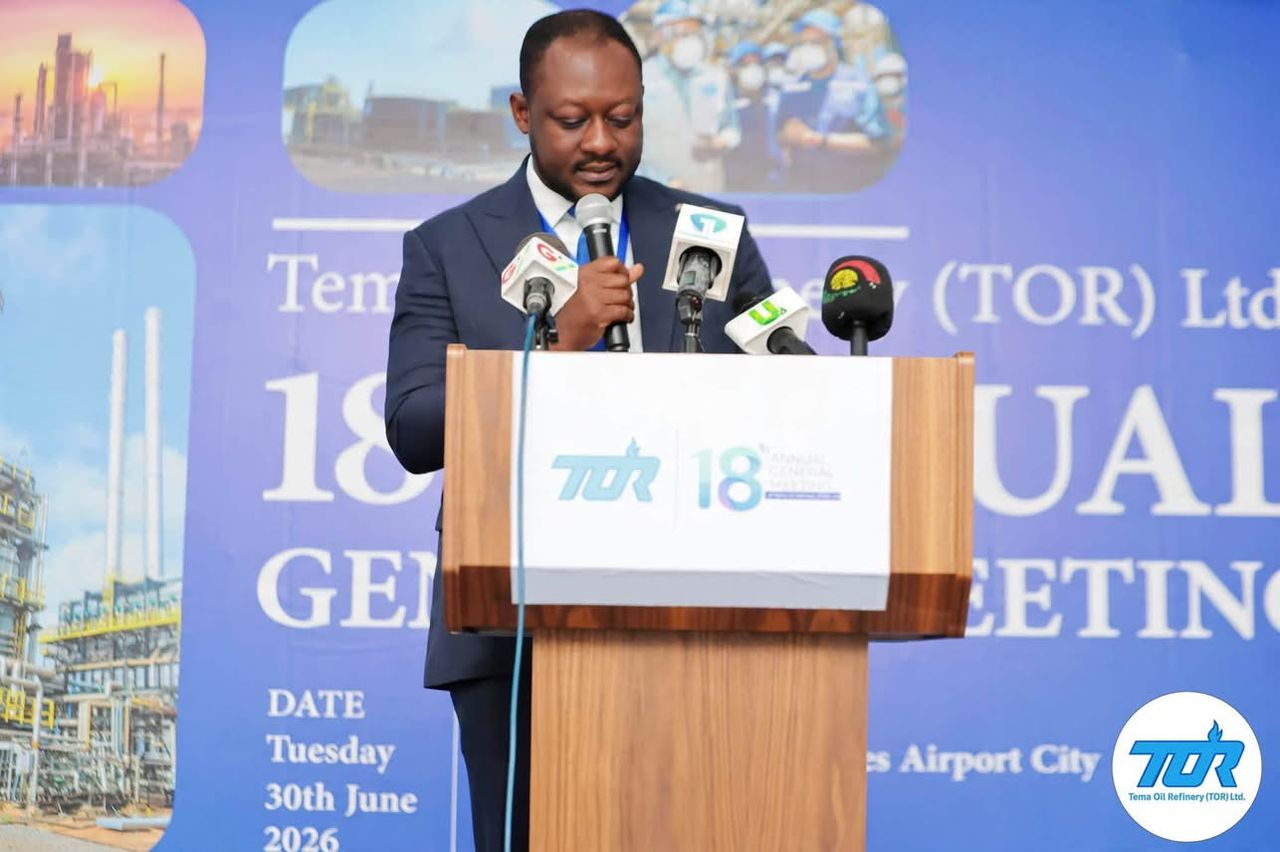
Most importantly, after years of consecutive losses dating back to 2017, Tema Oil Refinery has recorded a Profit After Tax of GH¢1.24 billion for the 2025 financial year, our first return to profitability in nearly a decade. This achievement reflects the collective commitment, discipline, and resilience of the Board, Management, staff, Government, and our valued stakeholders.
Managing Director and CEO ,TOR, Edmond Kombat
The refinery also attributed the progress to the government’s renewed focus on improving the performance of state-owned enterprises under broader public sector reforms.
Why the turnaround matters
Although TOR has historically been one of Ghana’s most important energy assets, years of operational challenges, debt accumulation, ageing infrastructure and intermittent shutdowns have significantly reduced its role in the country’s downstream petroleum sector.
As a result, Ghana relies heavily on imported refined petroleum products to meet domestic demand.
A stronger financial position does not automatically mean the refinery is operating at full capacity, nor does it immediately translate into lower fuel prices.
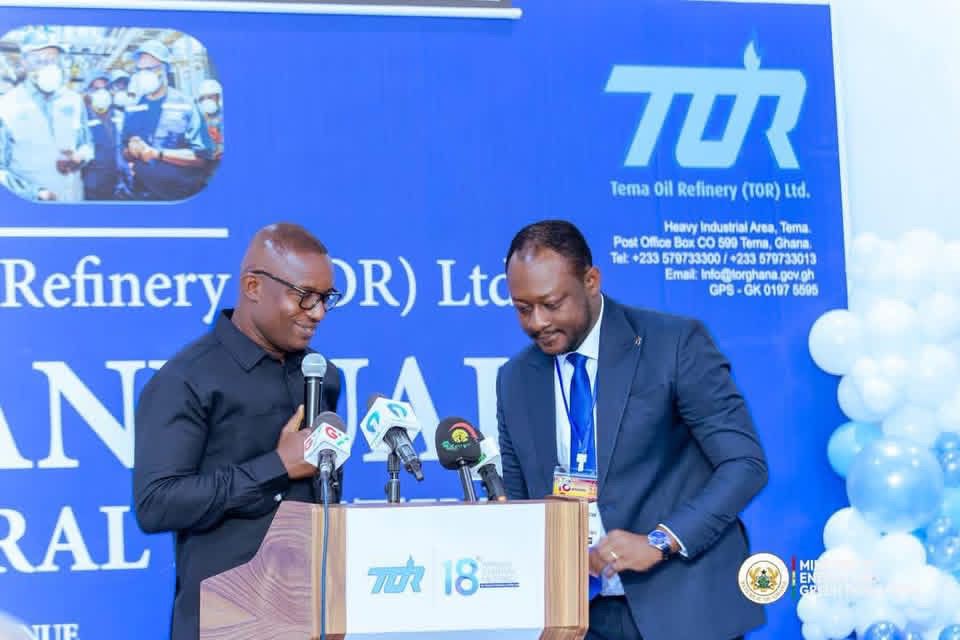
However, experts say improved financial health could strengthen TOR’s ability to attract investment for rehabilitation, modernisation and future expansion.
If those investments materialise, the refinery could gradually increase domestic refining capacity, reduce exposure to imported fuel products and improve resilience against global supply disruptions such as those experienced during recent tensions in the Middle East.
Energy security remains the bigger objective
Beyond the return to profitability, the development aligns with government efforts to strengthen governance and improve the performance of strategic energy assets. For Ghana, the significance extends beyond TOR’s balance sheet.
A financially stronger refinery could, over time, reduce the country’s dependence on imported refined petroleum products, improve resilience against global supply disruptions and support efforts to retain more value within the domestic petroleum industry.
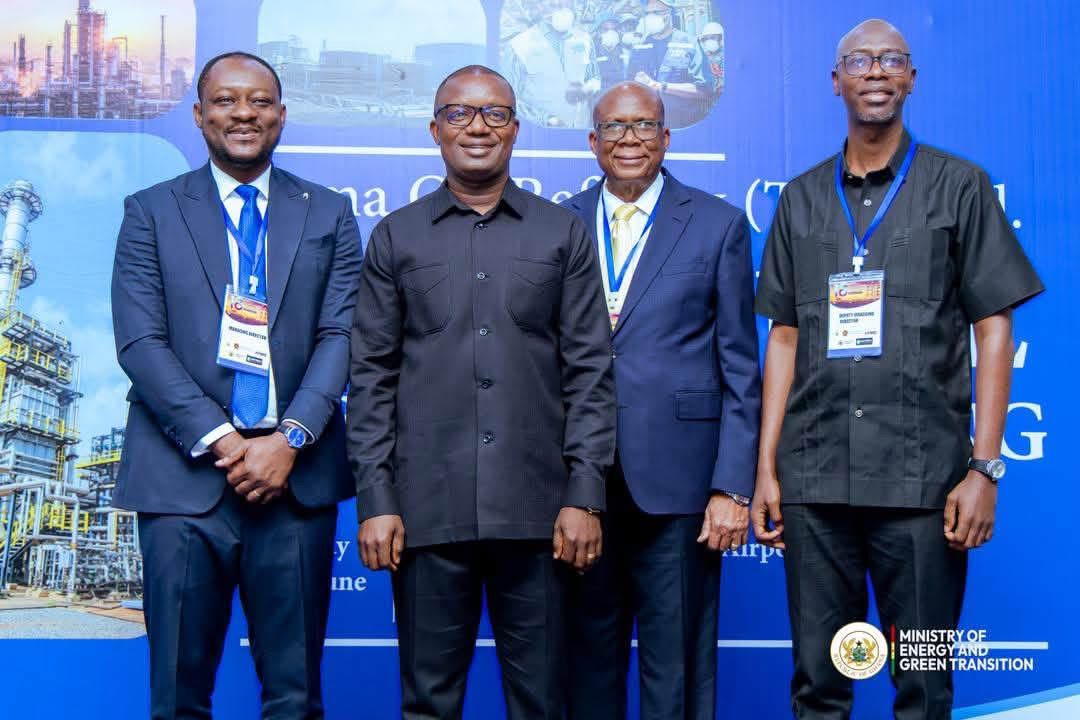
It could also stimulate higher-value industrial activity, create skilled employment opportunities and reinforce confidence in the ability of state-owned enterprises to operate sustainably.
These priorities have taken on greater importance as recent geopolitical tensions and volatility in global oil markets have highlighted the risks associated with heavy reliance on imported refined fuels.
Across Africa, governments are increasingly looking to strengthen domestic refining capacity as part of broader efforts to improve energy security, support industrialisation and build more resilient energy supply chains.
Profit is only one part of the recovery
Despite the positive financial result, industry observers say sustaining the turnaround will ultimately depend on whether TOR can translate improved governance into stronger operational performance.
Questions remain around refinery utilisation rates, future investment requirements, crude supply arrangements, maintenance financing and long-term commercial competitiveness.
The refinery has undergone several attempts at restructuring over the past decade, making consistency in implementation a critical test of the latest reforms.
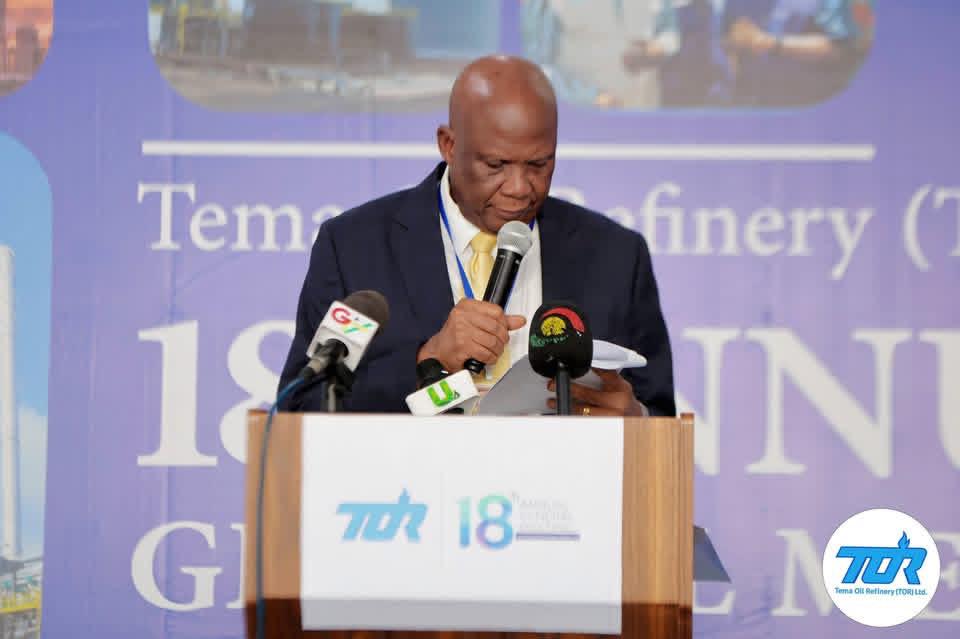
Management acknowledged that the work is far from complete.
While we celebrate this historic turnaround, we remain focused on the work ahead, restoring Tema Oil Refinery to its rightful place as a world-class refinery that delivers energy security, creates value for the people of Ghana, and contributes meaningfully to national economic transformation.
Managing Director and CEO , TOR, Edmond Kombat
A broader signal for state-owned enterprises
Beyond TOR itself, the latest development may also be viewed as an early indicator of the government’s wider efforts to improve governance across strategic state-owned enterprises.

The combination of updated audited accounts and a return to profitability sends a stronger message to investors and public institutions than either achievement would have in isolation.
Whether the refinery can sustain that momentum will likely depend on continued financial discipline, investment in operational efficiency and reforms that allow one of Ghana’s refineries to play a more meaningful role in the country’s long-term energy security strategy.
READ ALSO: Floods, Droughts to Hit African Banks Harder- Fitch Ratings