The Mahama administration has revoked Executive Instrument 144 as amended by Executive Instrument 234, a decision that restores the Achimota Forest to its original status as a protected forest reserve and closes a chapter on one of Ghana’s most contentious environmental disputes in recent years.
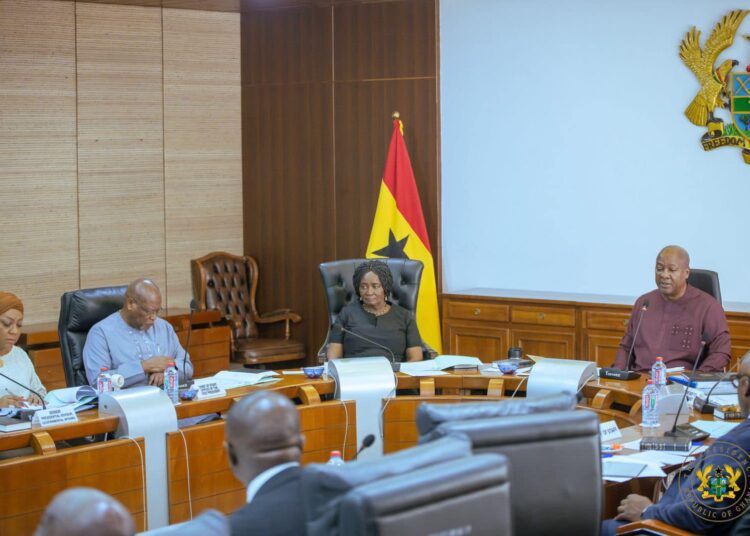
Minister for Lands and Natural Resources, Hon. Emmanuel Armah Kofi Buah, announced the Cabinet decision during the Government Accountability Series at the Presidency, describing it as a historic move to safeguard what remains of Accra’s dwindling urban forest cover.
“I have very important news in the forestry sector as well. I’m happy to announce a historic cabinet decision taken on the 24th of June 2026 to revoke executive instrument EI 144 as amended by EI 234, effectively ensuring that the Achimota forest retains its original status as a forest reserve and providing an ecological safety zone for Accra and its environment.”
Minister for Lands and Natural Resources, Hon. Emmanuel Armah Kofi Buah
Hon. Armah Kofi Buah placed particular emphasis on the ecological significance of the Achimota Forest to Accra, describing it as the only remaining substantial forest cover within the capital.
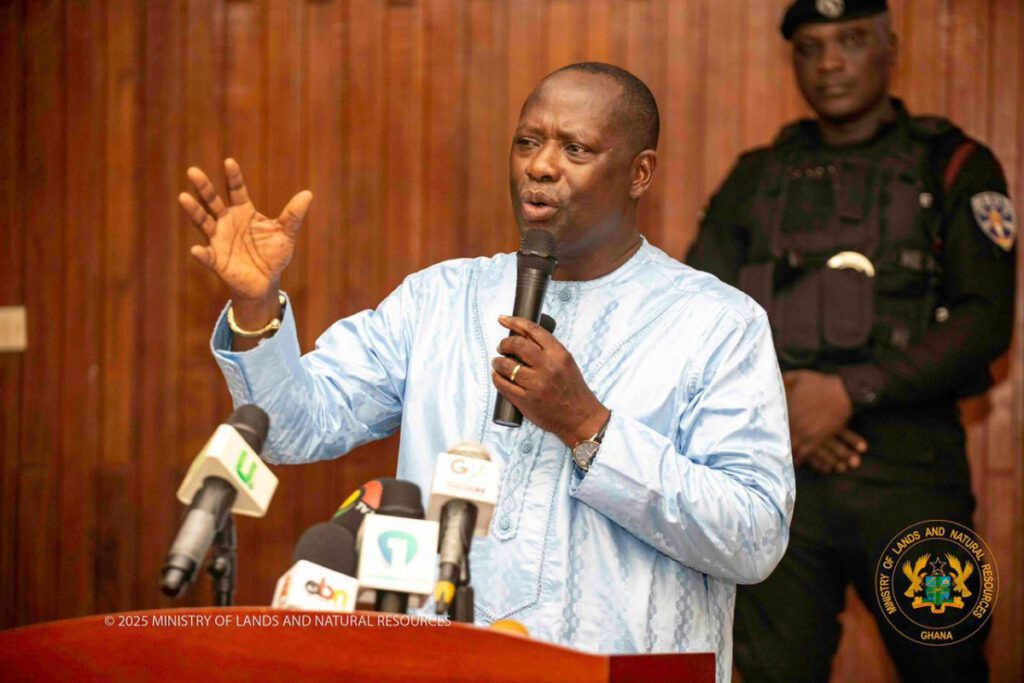
He framed the Cabinet’s decision as a direct reflection of President Mahama’s commitment to preserving the site regardless of competing interests. “If you think about it, this is the only last man standing forest cover in Accra and President Mahama is determined to protect it at all costs,” he said.
The Minister’s remarks underscored growing concern among environmental advocates that Accra’s rapid urban expansion has steadily eroded the city’s natural green spaces, leaving few areas capable of performing the ecological functions that forests provide within densely populated urban centres.
A Controversial Instrument Reversed
The decision to revoke EI 144 unwinds a legal instrument that had stirred significant controversy since its introduction. Officially known as the Forests Cessation of Forest Reserve, Instrument, 2022, EI 144 was gazetted in April 2022 and excised approximately 361.5 acres from the southern periphery of the Achimota Forest Reserve.
The instrument returned this land to the Owoo family, identified as the pre-acquisition custodial owners of the site before it was designated a forest reserve. EI 234 subsequently served as a legal modification to the boundaries or framework established under the original 2022 instrument, further complicating the legal status of portions of the forest.
Together, these instruments opened the door to private and administrative development on land that had previously been protected under Ghana’s forestry laws.
With Cabinet’s revocation now in effect, all lands previously removed under these instruments instantly revert to their original 1927 classification as protected forest land, restoring the legal framework that governed the Achimota Forest for nearly a century before the 2022 cessation.

Addressing Land Claims and Development
While confirming the reversal, Hon Armah Kofi Buah acknowledged that questions remain regarding parties who had already taken possession of or made claims to portions of the excised land. He indicated that such matters fall outside the immediate scope of the Cabinet decision and would need to be resolved separately.
“What it means is that all of those areas are part of it. I won’t go into those who have willed it. I believe that that is a matter they can deal with. But what I know is that President Mahama believes that the people of Ghana deserve an environment that will keep us all alive. And that’s why he’s protecting the Achimota Forest”.
Minister for Lands and Natural Resources, Hon. Emmanuel Armah Kofi Buah
His comments suggest that while the legal status of the land has been restored to its forest reserve classification, the practical process of addressing existing claims or structures on portions of the site may require further administrative or legal engagement in the months ahead.
Ecological Stakes for Accra
Beyond its legal implications, the revocation carries significant ecological weight for a capital city increasingly grappling with the effects of urbanisation and environmental degradation.
The Achimota Forest performs critical functions in carbon sequestration, temperature regulation, and air quality control, services that have become increasingly important as Accra continues to expand and lose green cover to development.
By blocking ongoing private and administrative development on the previously excised land, the Cabinet’s decision secures the forest’s continued role as an environmental safety zone for the city, a function that environmental advocates have long argued cannot be replicated once lost to construction or land conversion.
Years of Advocacy Finally Rewarded
The reversal effectively resolves years of sustained criticism and formal petitions raised by environmental organisations and professional bodies opposed to the original 2022 cessation.

Groups including A Rocha Ghana, the Ghana Institute of Planners, and the Forestry Commission Board had consistently argued that the land cessions created dangerous avenues for environmental degradation within one of Accra’s last remaining natural spaces.
For these organisations, many of whom campaigned publicly against EI 144 since its introduction, the Cabinet’s decision represents a significant vindication of years of advocacy work aimed at protecting the forest from further encroachment.
With the legal reversal now in place, attention turns to how the government will manage the practical aspects of restoring the site to full forest reserve status, including addressing any existing claims or structures on the previously excised land.
Until any further development, the Achimota Forest stands restored to its original protected status, offering renewed hope to environmental advocates and residents who have long viewed the site as an irreplaceable green lung for a rapidly growing capital city.
READ ALSO: Miracles Aboagye Arrested Over GHC55 Million Fraud Case, EOCO