Between 36.8% and 50% of Ghanaian women are estimated to be living with uterine fibroids, with changing lifestyles, delayed childbirth and genetic factors emerging as key contributors to the growing public health concern, according to Medical Superintendent of Worawora Government Hospital, Dr. Isaac Secorm.
Speaking during a discussion on Fibroid, Causes and Symptoms, Dr. Isaac Secorm said current estimates indicate that between 36.8% and 50% of Ghanaian women are living with uterine fibroids, making the condition one of the most common gynaecological disorders affecting women of reproductive age.
According to him, while medical science has yet to determine why a normal uterine cell transforms into a fibroid, there is clear evidence that estrogen remains the hormone responsible for stimulating its growth.
“Fibroids are a common reproductive health condition influenced by hormones, genetics, and lifestyle, not a woman’s fault. Early diagnosis, awareness, and timely treatment are key to improving outcomes.”According to Dr. Secorm, increased consumption of processed foods and fast-food diets has altered hormonal exposure, potentially contributing to the continued growth of fibroids once they develop.
Medical Superintendent of Worawora Government Hospital, Dr. Isaac Secorm.

He noted that although diet alone does not cause fibroids, lifestyle changes have become an important factor influencing the condition’s growing prevalence.
Changing Reproductive Patterns
Beyond nutrition, Dr. Secorm identified delayed childbirth and declining family sizes as another major factor influencing fibroid development.
He explained that more women are pursuing higher education and professional careers before starting families, resulting in fewer pregnancies over their reproductive years.
While describing these social changes as positive developments for women’s empowerment, he noted that they also have unintended biological consequences.
He contrasted today’s reproductive patterns with those of previous generations, where women typically gave birth every two years.
According to him, pregnancy naturally lowers estrogen levels while increasing hormones that help suppress fibroid growth, providing what he described as a protective hormonal effect.
With fewer pregnancies occurring today, women remain exposed to higher levels of estrogen for longer periods, creating conditions that favour fibroid growth.
Dr. Secorm said these biological realities partly explain why fibroids are now diagnosed more frequently than in previous decades.
Genetics Also Plays A Significant Role
The medical expert also pointed to hereditary factors as another major determinant of fibroid development.
He explained that women with close relatives diagnosed with fibroids are significantly more likely to develop the condition themselves.

According to Dr. Secorm, inherited genetic characteristics influence how the body responds to hormonal changes, increasing susceptibility among some women.
However, he emphasised that family history alone does not guarantee that fibroids will occur.
Instead, he described the condition as resulting from an interaction between inherited traits and environmental influences.
He referred to this relationship as the balance between “nature” and “nurture,” explaining that genetics establish the risk while lifestyle choices may influence how the condition develops over time.
Growing Need For Public Education
Dr. Secorm stressed that the high prevalence of fibroids makes public education an essential component of improving women’s reproductive health.
He argued that awareness campaigns can encourage earlier diagnosis, improve understanding of symptoms and reduce the misconceptions that often delay treatment.
According to him, many women continue to live with untreated fibroids because they either dismiss symptoms as normal menstrual experiences or delay seeking medical care due to misinformation.
He therefore encouraged women experiencing persistent pelvic pain, prolonged menstrual bleeding, abdominal swelling or fertility challenges to seek professional medical assessment rather than relying solely on anecdotal advice.
Women Should Not Blame Themselves
He emphasised that the condition develops through biological processes that are often beyond an individual’s control.
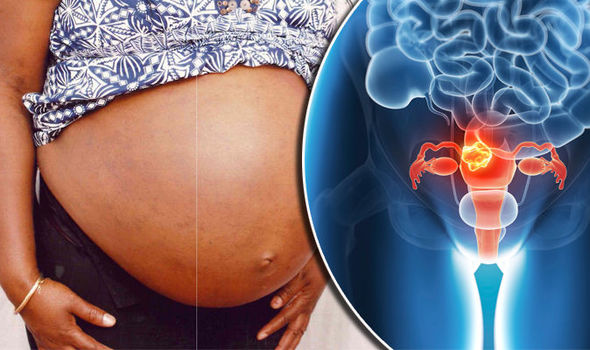
Drawing on his clinical experience, he noted that hospitals continue to receive patients with very large fibroids requiring surgical intervention, underscoring the importance of early diagnosis and timely treatment.
He maintained that replacing blame with accurate medical information would encourage more women to access healthcare early, reducing complications and improving treatment outcomes.
Dr. Secorm concluded that Ghana’s growing burden of fibroids should be viewed primarily as a public health issue requiring sustained awareness, routine screening and evidence-based healthcare rather than fear or self-blame.
He said greater understanding of the combined influence of hormones, genetics and modern lifestyles would help women make informed health decisions while promoting earlier diagnosis and appropriate medical care.
As fibroid cases continue to rise across the country, the medical expert believes strengthening public education and encouraging regular reproductive health assessments will remain critical to reducing complications and improving the quality of life for thousands of Ghanaian women living with the condition.
READ MORE: Education Ministry Presses Police to Arrest Fugitive Bole SHS Teacher