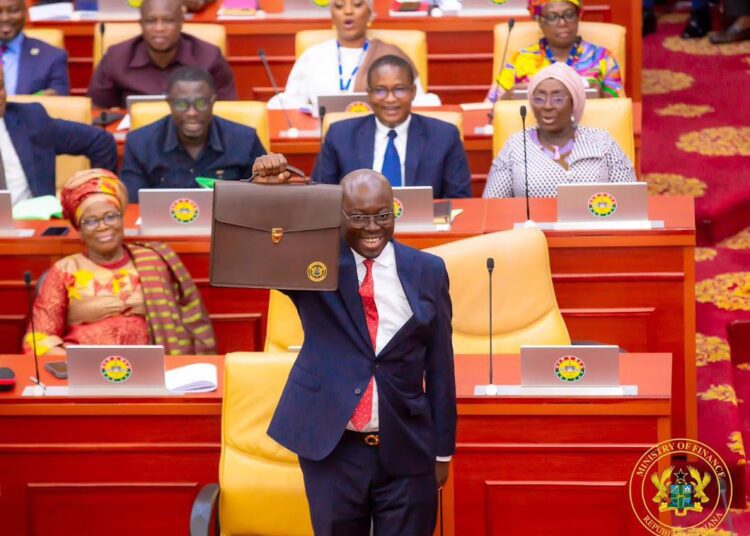
Hon. Ato Forson, Ghana’s Minister for Finance, has presented a pivotal macroeconomic update before Parliament, announcing that government has reached a landmark agreement with large-scale mining companies to surrender 30% of their annual gold production for domestic refining.
Delivering the Mid-Year Budget Review, the Minister emphasized that this policy is far more than a routine mineral sector intervention, describing it as a comprehensive macroeconomic stabilization policy engineered to fortify the local currency, shore up external buffers, and restore confidence across the Ghanaian economy.
By mandating that nearly one-third of gold extracted by major mining entities remain within the country for processing, the state aims to transform Ghana from a traditional exporter of raw dore gold into a high-value refining hub. This strategic move directly addresses structural vulnerabilities in the extractive sector while reinforcing national financial sovereignty through systematic reserve accumulation.
“In a landmark initiative, Mr. Speaker, government has also reached agreement with large-scale mining companies to purchase 30% of their annual gold production for refining by local refineries, strengthening domestic value addition and supporting reserve accumulation. Government further amended the Bank of Ghana Act to make inflation targeted a shared responsibility between the Ministry of Finance and the Bank of Ghana, ensuring stronger coordination between fiscal and monetary authorities. Mr. Speaker, economic reforms must ultimately be judged by their outcomes.”
Hon. Ato Forson, Ghana’s Minister for Finance
The Finance Minister highlighted how the 30% gold purchasing arrangement integrates into the broader Ghana Accelerated National Reserve Accumulation Policy (GANRAP).
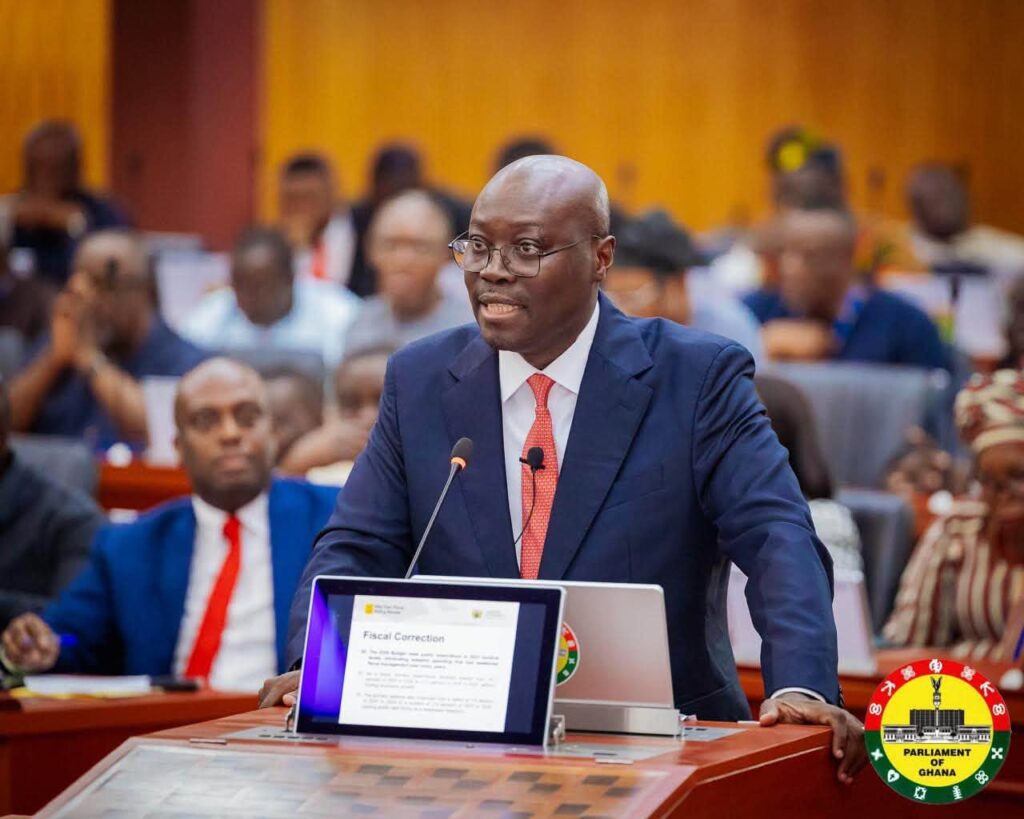
Designed to enhance the nation’s financial resilience, GANRAP sets an ambitious benchmark of building Ghana’s foreign reserves to an equivalent of 15 months of import cover by end of 2028.
Historically, Ghana’s exposure to trade shocks and currency depreciation stemmed from exporting unrefined precious metals without retaining strategic physical gold buffers or capturing downstream value.
Under this expanded framework, the domestic purchase mandate ensures a steady, predictable supply of gold to domestic refineries, directly building up the central bank’s balance sheet and insulating the market against global macroeconomic volatility.
Catalyzing Local Value Addition and Extractive Industrialization
The mandatory 30% gold off-take agreement represents a fundamental paradigm shift away from crude resource extraction toward sustainable industrialization.
For decades, Ghana has held the title of Africa’s top gold producer, yet the national economy derived limited benefits from downstream activities such as smelting, minting, assaying, and jewelry fabrication.
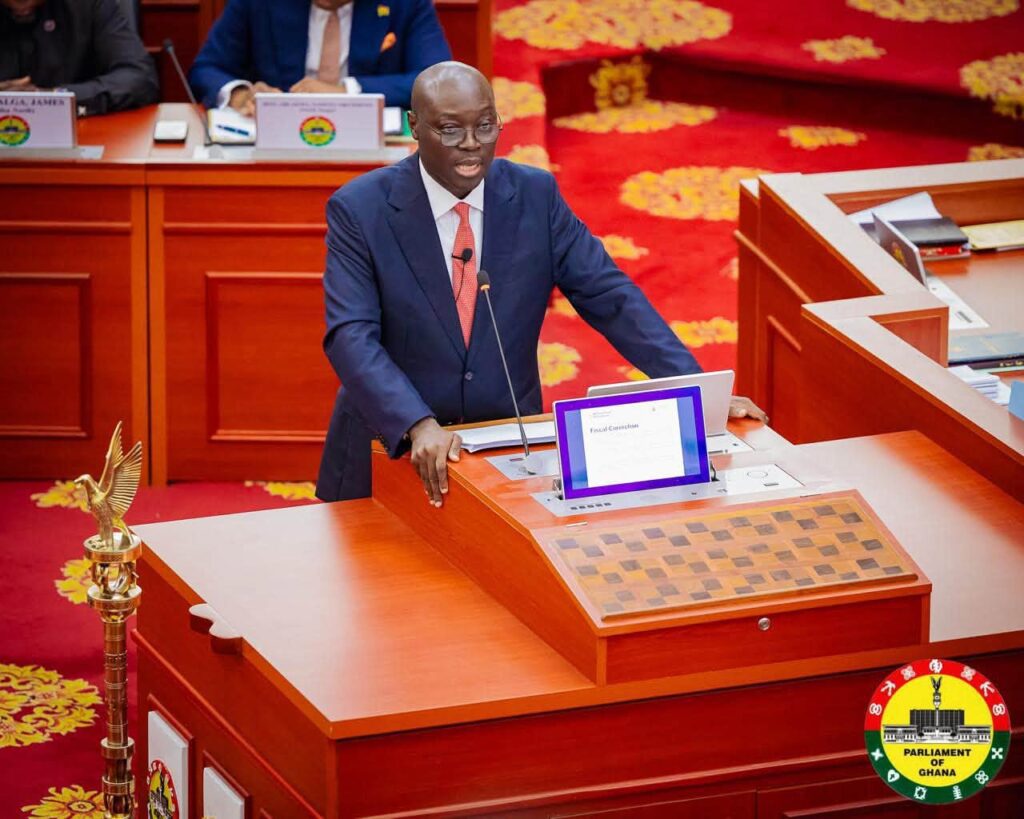
By directing 30% of production into local refineries, the policy guarantees the raw material required to operationalize modern refining facilities at scale.
This feed creates high-skilled technical jobs, encourages domestic assaying standardizations, and fosters technology transfer within Ghana’s metallurgical sector.
Furthermore, local refining retains a higher percentage of the mineral’s economic value within the country, generating tax revenue streams and empowering indigenous engineering services across the gold value chain.
Strengthening Reserve Accumulation and Foreign Exchange Buffers
Beyond industrial gains, the strategic absorption of physical gold into national holdings plays a central role in stabilizing the Cedi and defending Ghana’s balance of payments.
Under GANRAP, converting locally purchased gold into foreign reserve assets offers the Bank of Ghana a reliable hedge against global inflation and currency volatility.
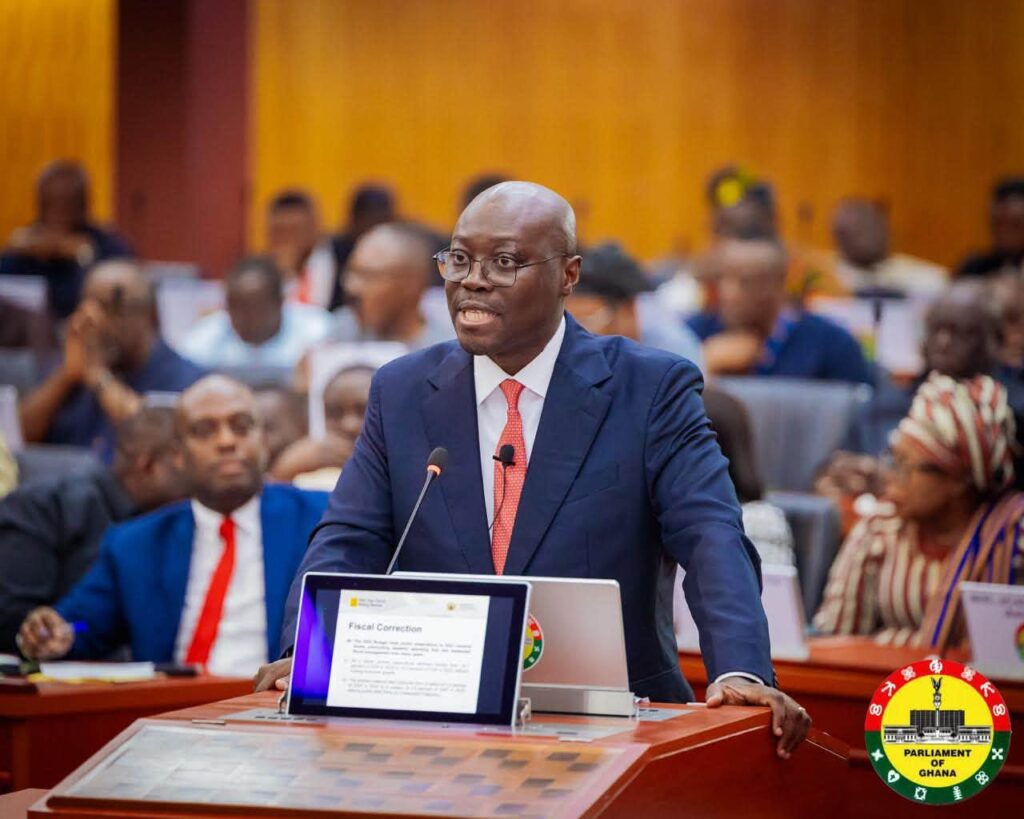
Rather than relying solely on foreign borrowing or liquid fiat reserves that deplete during import surges, holding refined physical gold provides a tangible, highly liquid asset base.
This retention mechanism curbs capital flight associated with foreign mining repatriation, ensuring that a significant fraction of mineral wealth directly backs the monetary system.
As foreign exchange reserves approach the target of 15 months of import cover by end of 2028, the central bank’s capacity to absorb external terms-of-trade shocks will be substantially enhanced.
Institutionalizing Fiscal-Monetary Synergy for Economic Stability
To complement the extractive policy shifts, the structural alignment between fiscal and monetary leadership serves as the operational anchor of these reform measures.
The legislative amendment to the Bank of Ghana Act, transforming inflation targeting into a shared responsibility between the Ministry of Finance and the Bank of Ghana, establishes an unprecedented framework for policy coordination.

Previously, uncoordinated spending or isolated monetary tightening often diluted the economic benefits of extractive sector revenues.
Under this integrated approach, revenue gains and reserve cushions generated through the 30% gold purchase policy directly inform broader macroeconomic management, inflation control targets, and public debt stabilization.
Ultimately, as Hon. Ato Forson noted, these transformative initiatives signify a decisive transition toward tangible economic results, positioning Ghana’s extractive sector as the primary catalyst for long-term fiscal stability.
READ ALSO: Burna Boy Teams with Tiakola and Skread for Global Anthem Hello