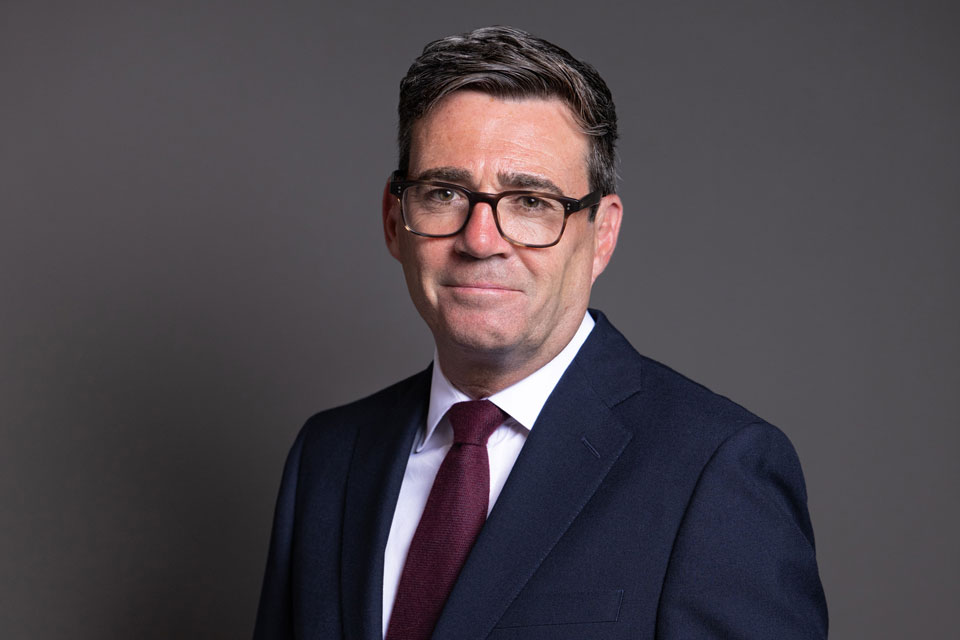
UK Prime Minister, Andy Burnham enters Downing Street as Britain’s fifth Prime Minister in four years, inheriting a nation grappling with persistent economic uncertainty, political polarization and declining public trust in government.
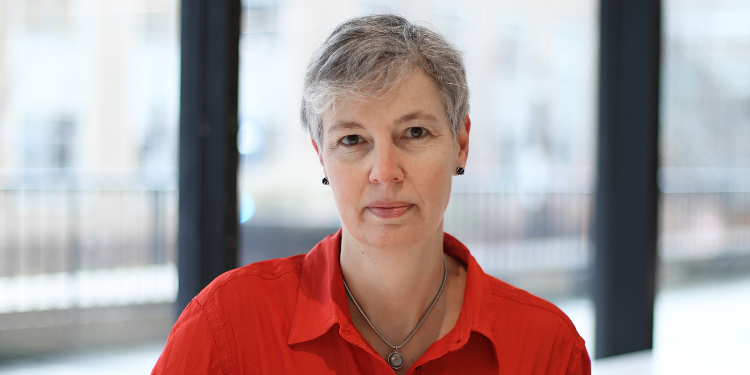
Prof. Catherine Ellis of Toronto Metropolitan University stated in an exclusive interview with The Vaultz News that the quick turnover of leaders shows both the magnitude of the nation’s problems and the volatility at the top of British politics.
With voters growing more irritated by years of economic distress, overburdened public services, and uncertainty about the nation’s future course, the political shift occurs at a crucial juncture for the United Kingdom.
According to Prof. Ellis, Burnham’s entry into Downing Street offers a chance to reshape British politics, but only if he can convince the public that his government is capable of restoring stability.
Andy Burnham is the most recent Prime Minister to bear the fallout from a number of significant upheavals that have altered Britain, including the COVID-19 epidemic, Brexit, and the global financial crisis of 2008.
Prof. Ellis stated, “these are all enormous challenges for any political leader and government,” clarifying that the nation’s broader pressures are inextricably linked to the frequent changes in leadership.
She noted that Burnham inherits many of the same problems that affected previous administrations. However, she highlighted that Burnham enters office with a significant advantage that many of his predecessors lacked: a large parliamentary majority that gives his government greater freedom to implement policies.
“Burnham now needs to act quickly to bring stability and restore voters’ confidence in the Labour government, and in government more generally.”
Prof. Catherine Ellis
She warned that rebuilding trust will be particularly important as support grows for populist alternatives such as Nigel Farage’s Reform UK, which has gained traction among voters dissatisfied with traditional political parties.

According to Prof. Ellis, Burnham’s political background gives him some advantages over recent Prime Ministers. His experience as Mayor of Greater Manchester, combined with his previous years as a Member of Parliament and Cabinet minister, provides him with a deeper understanding of government than many recent leaders had when entering Downing Street.
Moreover, Burnham has positioned himself as a leader who prioritises areas outside of London. By establishing No. 10 in the North, he has fulfilled his promise to transfer power away from Westminster and give communities around United Kingdom more attention.
Ellis warned, nonetheless, that the duties of leading a large city and a nation are essentially different.
“Leading a city is quite different from leading a nation – in fact, four nations: Wales, Scotland, Northern Ireland, and England.”
Prof. Catherine Ellis
She added that political instability has contributed to divisions across the United Kingdom, with Brexit continuing to influence debates over national identity, governance and relations between the four nations.
Britain’s Political Instability Reflects Deeper National Challenges

According to Professor Ellis, the quick succession of Prime Ministers in recent years is not just a leadership issue but rather a sign of more serious issues in British politics.
Since 2022, there have been several changes at the head of the British government, including the resignations of Boris Johnson, Liz Truss, Rishi Sunak and Keir Starmer before to Burnham’s ascent.
She contended that these shifts in leadership have taken place in the context of serious national issues that have put governments of all political persuasions to the test.
“Britain is still adjusting to the consequences of Brexit, politics are polarizing on issues such as immigration, and there are major issues facing the British government such as the cost and the state of the NHS and welfare provisions.”
Prof. Catherine Ellis
She explained that public frustration has grown because successive governments have struggled to deliver solutions to long-standing problems, contributing to declining confidence in political institutions.
Prof. Ellis emphasised the economic ramifications of Brexit, stating that UK economy has had to deal with ongoing uncertainty in addition to the pandemic’s repercussions.
According to her, businesses and financial markets are especially vulnerable to political unpredictability, hence stability is a top concern for Burnham’s administration.
“Burnham claims he will tackle the big issues head-on; however, a lot of the current problems are legacies of the Conservative government’s huge cuts after the 2010 election, plus the consequences of Brexit: not straightforward to resolve.”
Prof. Catherine Ellis
Beyond the economy, Burnham faces difficult choices over national priorities, including defence spending, healthcare investment, housing and social care.
Prof. Ellis stated that debates over defence spending will be especially difficult as Britain attempts to reconcile security concerns with domestic constraints.
She also cited youth unemployment as a significant concern, particularly in northern England, where Andy Burnham has established much of his political identity.
According to Prof. Ellis, the Prime Minister must demonstrate that his government can improve regular people’s lives rather than relying solely on political rhetoric.
“Burnham urgently needs to convince Britons that Labour is in control on issues where the Reform Party has traction, especially immigration, housing shortages, and rises in the cost of living.”
Prof. Catherine Ellis
Burnham Must Turn Popularity Into Results

While Burnham enters office with strong recognition among Labour supporters and voters in northern England, Prof. Ellis warned that popularity alone will not guarantee political success.
She highlighted that the new Prime Minister must quickly transform his political image into practical achievements that address public concerns.
“Rather than focusing on building internal support, it is much more important for him to act quickly and decisively on the issues that matter most to British voters: the cost of living, housing, immigration/border controls, and Britain’s National Health Service.”
Prof. Catherine Ellis
Burnham’s long ambition to become Prime Minister gives him political experience and determination, she noted, having previously contested Labour leadership contests in 2010 and 2015.
His smooth transition into leadership was also helped by broad support within the Labour Party, with potential challengers stepping aside after his return to Parliament.
However, Prof. Ellis emphasised that Burnham must avoid becoming consumed by internal party management and instead focus on delivering visible improvements.
As stated by Prof. Ellis, Andy Burnham’s greatest challenge will be proving that his government represents a genuine break from recent political instability.
READ ALSO: Gyakie Announces Highly Anticipated Live Concert in Kumasi