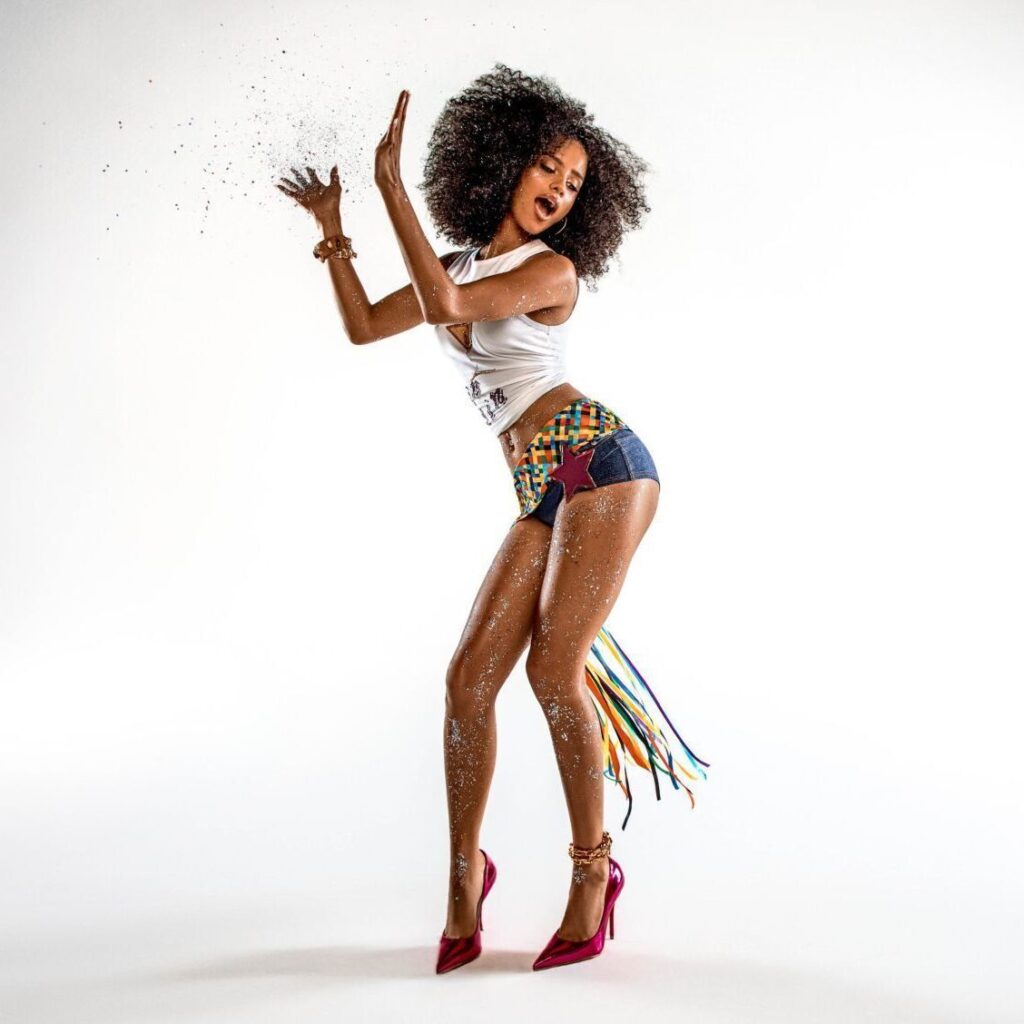
South African Grammy-winning singer Tyla has removed her scheduled Lagos performance from the public dates of her A*POP World Tour, sparking widespread reactions across Nigeria and beyond.
The December 22, 2026, show, which was announced just days earlier as part of her first major headline global tour, no longer appears on her official schedule, though her Cape Town and Johannesburg dates remain visible.
The move comes amid intense backlash and boycott calls from many Nigerians, fueled by ongoing tensions over the treatment of Nigerian nationals in South Africa. While no official statement has been issued by Tyla or her team confirming a full cancellation or detailing the reasons, multiple reports and screenshots confirm the Lagos date was de-listed from public view following the controversy.
Tyla, born Tyla Laura Seethal, announced her A*POP World Tour on July 27, 2026, supporting her sophomore album of the same name. The 34-date tour was set to kick off in Paris on October 12, sweep through Europe and North America, and include African stops in Lagos on December 22, followed by Cape Town on January 4, 2027, and Johannesburg on January 9.
Tickets for the Lagos show had not yet gone on general sale, but the announcement initially generated excitement among fans eager to see the artist known for hits like “Water,” which earned her the inaugural Grammy for Best African Music Performance.
The backlash erupted almost immediately. Many Nigerians linked the concert to recent incidents of alleged xenophobic violence and police actions against Nigerians in South Africa. A pivotal trigger was the death of Nigerian national Chika Ibe (also known as Ibeh Chika Simon) in Cape Town on July 23 during a police operation. Videos circulated showing him being restrained before collapsing, with reports of bruises noted in early postmortem findings.
Nigeria’s consulate demanded a transparent investigation, and the case has been taken up by South Africa’s Independent Police Investigative Directorate. This incident was reportedly the third involving a Nigerian in recent weeks.
Compounding the anger was the reported denial of visas to Nigerian artist Ayra Starr for a South African performance, which many saw as further evidence of strained relations. Influential voices, including social commentator VeryDarkMan (VDM), publicly declared that the Tyla show “will not happen,” warning promoters of potential disruption and arguing that Nigerian artists like Ayra Starr suffice for local audiences.
Other figures, such as Solomon Buchi and content creator Isa Bako, echoed calls for a boycott, urging fans not to support South African artists while Nigerians face threats abroad.
The controversy highlights deep-seated frustrations over xenophobia in South Africa, which has affected Nigerian migrants for years, including the traumatic 2019 attacks that displaced many. Protesters argue that hosting South African talent sends the wrong message amid unresolved safety concerns, with some calling on Nigerian immigration authorities to deny entry to Tyla’s team.
However, opinions in Nigeria remain sharply divided. Not everyone supports the boycott. A Nigerian law firm, Damilare Adenola and Co. Law practice, issued a statement defending Tyla’s right to perform, emphasizing that artists should not be punished for government failures or societal issues. They urged directing backlash toward authorities on both sides rather than cultural exchange.
Supporters of the concert argue that music fosters unity and that boycotting individual performers harms the broader entertainment industry and fans who simply want to enjoy live performances.
Tyla herself has not publicly addressed the xenophobia debates or the Lagos situation. Her team has remained silent as of now, leaving fans and critics speculating on whether safety concerns, threats, promoter decisions, or strategic adjustments prompted the removal.
Some fan accounts reported the change after circulating screenshots showing the date disappearing from the official tour page, while backend listings reportedly still reference Lagos internally but as non-public.
This episode underscores the complex interplay between entertainment, diplomacy, and public sentiment in Africa. Nigeria and South Africa share strong cultural and economic ties, with Afrobeats and Amapiano sounds crossing borders frequently.
Yet periodic flare-ups over migration, trade, and violence strain relations, often pulling artists into the spotlight.
For Tyla, the incident arrives at a career peak. Following her global breakthrough and Grammy success, the A*POP tour represents a major step, with extensive North American and European legs already generating buzz.
Removing one date may have minimal long-term impact on her momentum, but it highlights how quickly regional politics can intersect with an artist’s plans.
Public Reaction
Nigerian fans of Tyla express disappointment, with some suggesting travel to South Africa for her home shows instead. Others view the outcome as a successful demonstration of collective action on social media. As one commentator noted, “When Nigerians anticipate together, everyone regulates,” repurposing the energy toward broader issues like governance.
Promoters and Live Nation, involved in the tour, have not commented publicly. Ticket presales for other dates proceeded, but the Lagos uncertainty leaves a gap in what was billed as a pan-African celebration.
The story continues to evolve rapidly on social platforms, with Nigerians using the moment to debate patriotism, cultural boycotts, and pan-African solidarity. Whether the removal constitutes a permanent cancellation or a postponement remains unclear without an official word.

In the broader context, this reflects challenges facing African artists navigating continental audiences amid political sensitivities. Tyla’s music, blending amapiano, pop, and R&B, has been celebrated for bridging cultures.
The current situation tests whether art can transcend such divides or inevitably becomes entangled in them.
As December approaches, attention will turn to whether other adjustments occur or if Tyla addresses her Nigerian fans directly. For now, the Lagos concert stands as a notable absence on an otherwise ambitious world tour schedule, symbolizing deeper unresolved tensions between two powerhouse African nations.
READ ALSO:Mahama Government Backs Five-Year Presidential Term Reform