United Kingdom’s National Health Service (NHS) has been warned to prepare for recurring summer emergencies as extreme heat driven by climate change increasingly places the same level of strain on hospitals that winter flu seasons traditionally have, prompting fresh calls for investment in climate-resilient healthcare infrastructure.
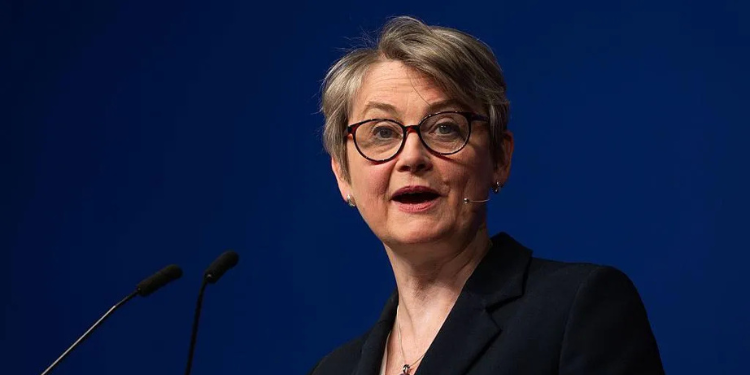
According to Health Secretary Yvette Cooper, the NHS must fundamentally rethink how it prepares for seasonal pressures, warning that soaring temperatures are creating unprecedented challenges for hospitals, ambulance services and emergency departments across England.
The remarks come after two intense heatwaves in May and June contributed to an estimated 2,877 heat-related deaths, putting England on course to record its deadliest summer for extreme heat.
Speaking about the growing crisis, Yvette Cooper stated that NHS staff are now experiencing levels of demand during summer that were previously associated almost exclusively with winter respiratory illnesses.
“This is a new thing for the NHS to have to deal with. There is a remarkable determination of the NHS to respond, but we need much greater resilience. It would be normal during the winter weeks and months, but not in the summer, to have the very high attendances that they have had.””
Yvette Cooper
Doctors and healthcare professionals have repeatedly warned that repeated heatwaves are placing hospitals under severe operational strain. Medical equipment, including MRI scanners and radiotherapy machines, has malfunctioned during periods of extreme heat, while hospital wards have become dangerously hot for patients and staff alike. Cooling systems serving healthcare facilities have also broken down, creating additional risks for vulnerable patients requiring specialist treatment.
The Royal College of General Practitioners has even advised GP practices to consider cancelling surgeries during periods of extreme heat to protect both patients and medical staff, highlighting the growing disruption caused by rising temperatures.
Beyond the immediate impact on hospitals, the latest heatwaves have exposed wider public health concerns. Older adults, young children, people with chronic illnesses and other vulnerable groups face significantly higher health risks during prolonged periods of high temperatures.
According to Health Secretary, Yvette Cooper the government was working with England’s Chief Medical Officer, Sir Chris Whitty, on strengthening public awareness campaigns encouraging people to regularly check on elderly relatives, neighbours and families with young babies during heatwaves.
“There is a need for all of us to look out for our elderly neighbours and family members in the heat of summer, exactly as you would if it was freezing cold weather and you would be checking on elderly family members or relatives. We need to do the same thing now, in the summer, in the heatwaves and also for the very young.”
Yvette Coopdf
The government believes adapting the NHS to cope with hotter summers will require significant long-term investment. Cooper confirmed that improving cooling systems in hospitals and healthcare facilities is becoming an important component of the government’s capital investment programme.
“That is a new thing we are now having to address and to plan for. That obviously takes time as well to address that. But it is one of the things that’s being looked at now as part of the capital programme.”
Yvette Cooper
Climate Crisis Spurs Broader Push for Cross-Sector Adaptation

The challenges facing the NHS are unfolding alongside mounting concerns about the broader consequences of climate change across United Kingdom.
This summer has already brought two record-breaking heatwaves, prolonged drought conditions and widespread wildfires. July became the driest month ever recorded in southern England, while approximately 23 million people across England and Wales are now living under hosepipe restrictions as reservoirs and rivers continue to experience declining water levels.
The National Farmers’ Union has warned that the persistent drought could lead to shortages of certain food products after crops suffered from both severe winter flooding and exceptionally dry summer conditions. The combination has raised fresh questions about Britain’s long-term food security as climate extremes become more frequent.
Enhancing national resilience is now a top priority. Prime Minister Andy Burnham’s spokesperson stated that the government is aware of how climate change is already impacting communities through drought, intense heat, and mounting strain on agriculture.
“We recognise that climate change is already affecting communities across the country, through extreme heat, drought and pressure on food production. That’s why we’re focused on practical resilience alongside cutting emissions.”
Government’s Spokesperson
The spokesperson added that the government plans to increase investment in water infrastructure, including the construction of new reservoirs, while supporting farmers in improving water security and strengthening the resilience of domestic food production.
Meanwhile, Climate campaigners, however, argue that the government’s response has yet to match the scale of the challenge. Green Party leader Zack Polanski criticised the government for failing to treat the growing number of heat-related deaths with sufficient urgency.
“I think we need to sit with that reality: 3,000 people have died because of extreme heat. The scenes we have seen play out on our television screens are frankly apocalyptic. And yet the response from our government is to pretend none of this is happening. It’s an astonishing dereliction of duty from those whose first responsibility is to keep us safe.”
Zack Polanski
READ ALSO: It Was a Good Game, Medeama Coach Says After Friendly Win in Yammoussoukro