KATH has called on the government to expedite the completion of the Sewua and Afari hospitals as part of efforts to expand healthcare infrastructure and strengthen maternal health services in the Ashanti Region. The call was made during a visit by the Deputy Minister for Health, Hon. Dr Grace Ayensu-Danquah, to the Komfo Anokye Teaching Hospital (KATH) and Kumasi South Hospital at Asokwa.
The visits form part of a broader regional assessment tour aimed at gathering first-hand insight into the challenges confronting maternal health service delivery, with the Deputy Minister engaging directly with hospital management, frontline health professionals, and patients during her time at both facilities.
At both facilities, Dr Ayensu-Danquah engaged hospital management and frontline health professionals to gain first-hand information on the challenges affecting maternal healthcare delivery within the region.
Discussions during the engagement centered on emergency obstetric care, referral systems, infrastructure limitations, staffing shortages, and other factors known to influence maternal and newborn health outcomes.
The direct engagement with frontline workers offered the Deputy Minister a grounded perspective on the day-to-day realities facing health professionals as they work to manage complex maternal cases, often under significant resource and infrastructure pressures.
Call For Faster Completion Of Sewua And Afari Hospitals
During the discussions, health professionals at KATH specifically called on government to expedite the completion of the Sewua and Afari Hospitals, arguing that both facilities would play a critical role in decongesting KATH and strengthening overall access to quality healthcare services within the Ashanti Region.

“The facilities would help decongest KATH and strengthen access to quality healthcare services within the region.”
KATH
The appeal reflects growing concern among health professionals that the current concentration of complex and referral cases at KATH is placing significant strain on the hospital’s capacity, potentially affecting the timeliness and quality of care available to mothers and newborns requiring urgent attention.
Deputy Minister Assures Continued Government Commitment
Responding to the concerns raised, Hon. Ayensu-Danquah assured hospital authorities and health professionals of government’s commitment to addressing the challenges affecting maternal healthcare delivery, while also pledging continued efforts to improve the capacity of health facilities to provide timely and quality care to mothers and newborns across the region.
“Government remains committed to addressing the challenges affecting maternal healthcare delivery and improving the capacity of health facilities to provide timely and quality care to mothers and newborns.”
KATH
Her assurance appeared aimed at reinforcing confidence among frontline health workers that the concerns raised during the engagement would feed directly into broader government planning around infrastructure investment and health system strengthening in the region.
Tour Of Key Hospital Units and Patient Interactions
As part of the visit, the Deputy Minister toured the labour wards, outpatient departments, and other key units within both hospitals, gaining a closer, on-the-ground view of the facilities’ current operational conditions.
She also took time to interact directly with patients on the wards, using the opportunity to hear firsthand about their experiences and the quality of care they were receiving during their treatment.
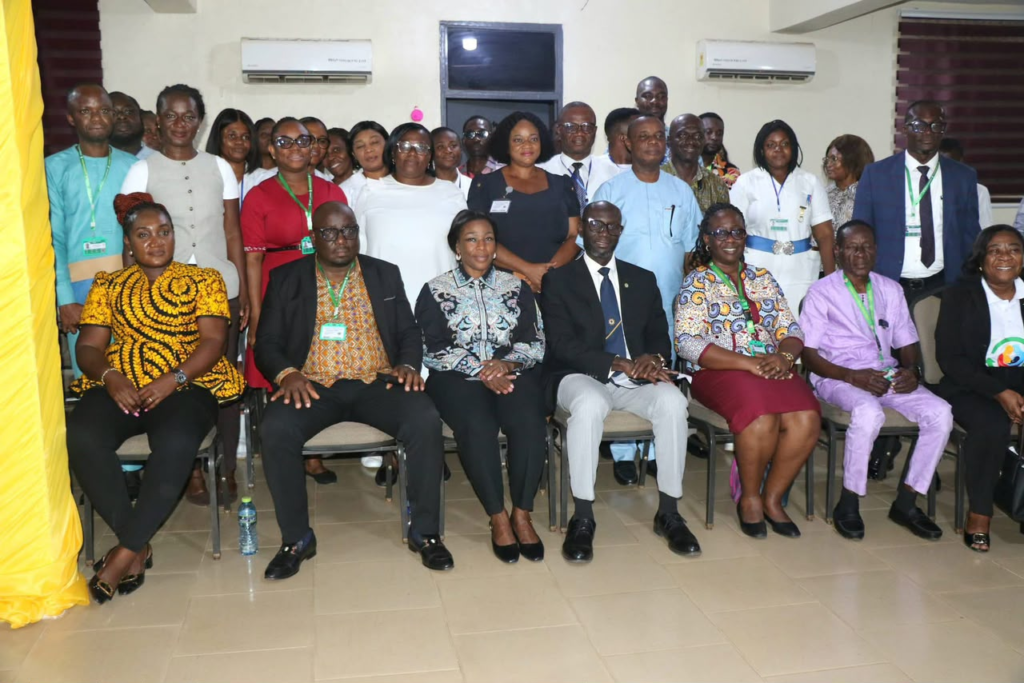
These patient interactions provided an additional, more personal dimension to the assessment exercise, allowing the Deputy Minister to weigh institutional and infrastructural concerns raised by health professionals against the lived experiences of mothers currently receiving care within the system.
The engagements at KATH, according to the Ministry, provided valuable insights into both the challenges and opportunities available for improving maternal healthcare delivery within the Ashanti Region.
The information gathered is expected to feed into the broader Regional Ecosystem Assessment currently being conducted under the Maternal Mortality Action and Response Program (MMARP), which is working toward the development of a National Roadmap for Reducing Maternal Mortality covering 2026 to 2030.
Part Of a Wider Regional Health System Review
The visits to KATH and Kumasi South Hospital add to a series of engagements the Deputy Minister has undertaken across the Ashanti Region as part of her two-day official visit, which has already included meetings with the Regional Health Directorate, the Ashanti Regional Minister, and a broad range of stakeholders at the Ashanti Regional Coordinating Council.
Taken together, these engagements reflect a deliberate, multi-layered approach by the Ministry of Health to understand maternal mortality not only through statistical data, but through direct engagement with the health professionals and patients navigating the system on a daily basis.

With the Ashanti Region recording the highest number of maternal deaths nationally, the concerns raised by health professionals at KATH, particularly around the pace of infrastructure development at Sewua and Afari, are likely to feature prominently in discussions around how government prioritises investment in the region’s health infrastructure going forward.
As the Ministry continues to compile findings from its regional assessment visits, the calls for expedited hospital completion, alongside broader concerns about staffing, referral systems, and emergency obstetric care readiness, are expected to shape the recommendations that ultimately inform Ghana’s national strategy for reducing maternal mortality in the years ahead.
READ MORE: NHIA Releases GH¢35.1 Million to Support Free Primary Healthcare Programme