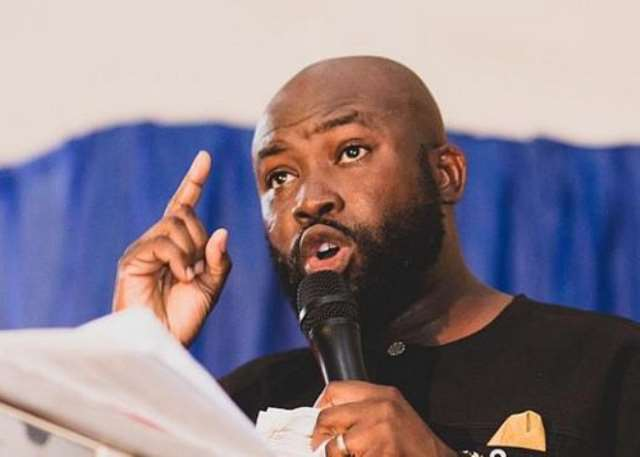
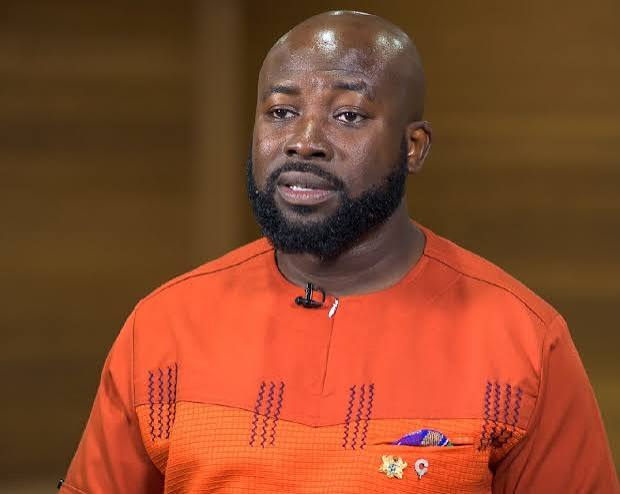
Convener of the OneGhana Movement and Trustee of the Ghana Coalition Against Galamsey, Senyo Hosi, has described drug trafficking in Ghana as an institutional problem, urging authorities to strengthen enforcement systems, improve accountability and adequately resource the Narcotics Control Commission (NACOC).
Speaking in an interview, Mr Hosi argued that the country’s response must move beyond political debate and confront weaknesses within the institutions responsible for border security and law enforcement. He maintained that NACOC requires greater investment to tackle trafficking effectively, while warning that synthetic drugs pose a serious threat to young people.
“Ghana’s drug trafficking challenge goes beyond political disagreements and reflects deeper institutional weaknesses that require stronger enforcement, accountability and coordinated action.”
Convener of the OneGhana Movement and Trustee of the Ghana Coalition Against Galamsey, Senyo Hosi
Mr Hosi acknowledged improvements in NACOC’s operations, particularly the expansion of its presence from approximately eight districts to 81. However, he maintained that the expansion had not resolved the Commission’s resource constraints, which he considers a major obstacle to effective enforcement.
He commended efforts to strengthen the institution through training and the provision of equipment but insisted that these measures must be matched with adequate funding and operational support. In his view, a wider institutional presence can only translate into stronger enforcement when officers have the resources required to carry out their responsibilities.
Synthetic drugs pose serious threat to youth
The call for greater investment also comes against the backdrop of concerns about the range of substances reaching communities.
Mr Hosi cautioned against treating cocaine as the defining feature of Ghana’s drug problem, arguing that the growing use of synthetic substances among young people demanded urgent attention.
“The drug problem should not be made a cocaine problem at all. The bigger problem we have is with the synthetics. Serious problem. That’s what our youth are getting into,”
Convener of the OneGhana Movement and Trustee of the Ghana Coalition Against Galamsey, Senyo Hosi
His comments draw attention to the need for a broader national response that recognises the risks associated with synthetic drugs, rather than concentrating public discussion and enforcement efforts on cocaine alone. He warned that young people were increasingly exposed to these substances, making the issue a significant concern for the country.
Port scanners and Customs operations questioned
Beyond the capacity of NACOC, Mr Hosi raised questions about the effectiveness of cargo scanning systems at Ghana’s ports. He questioned how consignments of cocaine could pass through the country’s ports without detection, calling for closer scrutiny of the systems intended to identify illicit cargo.
He urged authorities to investigate the performance of port scanners, their maintenance arrangements and the responsibilities of Customs officers involved in container inspections. Such inquiries, he argued, are necessary to establish whether existing procedures and equipment are working as intended.
Mr Hosi also referred to reports that some scanners frequently broke down, but made clear that he could not independently verify the information. He nevertheless maintained that the reports warranted investigation, given the importance of scanning systems in detecting prohibited goods moving through the ports.
Drug enforcement requires accountability
Mr Hosi insisted that Ghana’s drug challenge should no longer be reduced to political disagreements. Describing it as an institutional problem, he called for stronger enforcement arrangements and accountability from agencies tasked with preventing trafficking.
He also expressed disappointment that the drug menace had not received sufficient attention in the government’s budget. He urged authorities to make funding for NACOC a priority, drawing a comparison with the prominence given to the fight against illegal small-scale mining, popularly known as galamsey.
He argued that budgetary priorities should reflect the scale of the threat and the responsibilities assigned to enforcement agencies. Adequate resources, he maintained, would help NACOC strengthen its operations, while effective oversight would ensure that equipment, personnel and border controls serve their intended purpose.
“Strengthening NACOC Must Go Beyond Expanding Its Presence to Providing the Funding, Equipment and Operational Support Needed for Effective Enforcement”
Convener of the OneGhana Movement and Trustee of the Ghana Coalition Against Galamsey, Senyo Hosi
He urged authorities to examine the full enforcement chain, from port inspections to the work of agencies tasked with disrupting trafficking networks.
He maintained that stronger enforcement institutions, improved border surveillance and accountability for those involved in trafficking networks were essential to addressing the problem.
These measures, in his view, must work together: resourcing NACOC without addressing weaknesses at the ports would leave important gaps, while improved scanning systems would have limited value without effective institutional oversight.
Mr Hosi’s remarks place renewed focus on the resources available to NACOC, the reliability of port security systems and the need to protect young people from harmful substances. He urged authorities to treat the issue as a national priority and address the institutional weaknesses that, in his assessment, continue to undermine the fight against drugs across Ghana.
READ MORE: Theo Acheampong Credits Spending Controls for Ghana’s Economic Recovery