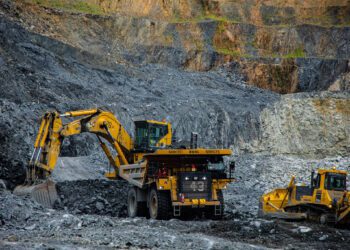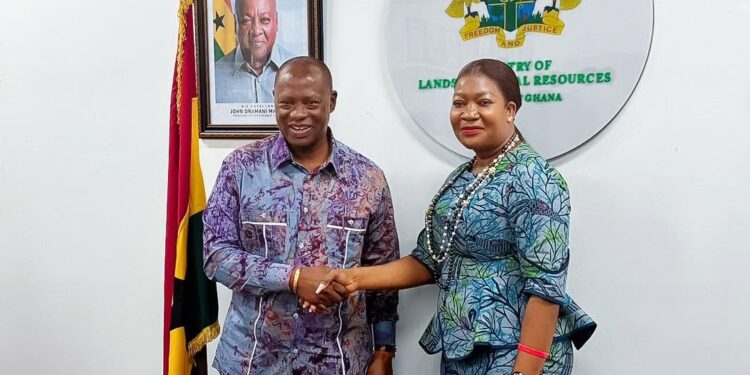
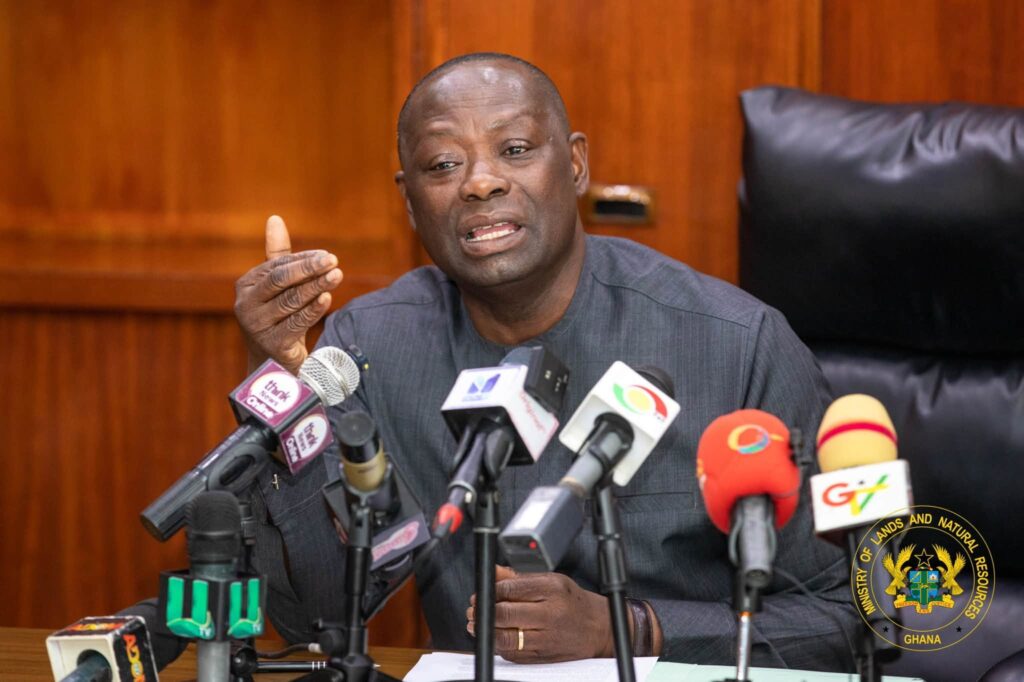
Mr. Kwabena Barning, Chief Technical and Operations Officer of the Minerals Income Investment Fund (MIIF), has underscored the critical need for Ghana to transition toward a modernized mining sector that prioritises value creation, responsible mining, local participation, and sustainable investment.
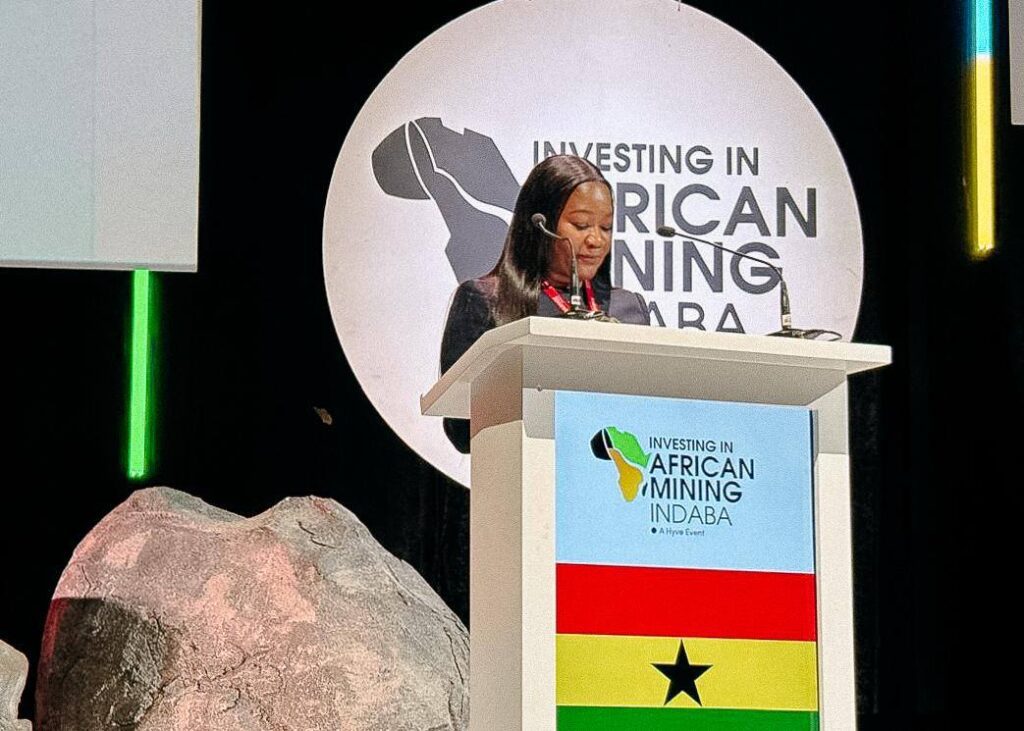
Speaking during a recent panel discussion, the Chief Technical and Operations Officer highlighted the MIIF’s strategic positioning as the financial and investment arm of government. In this capacity, the fund actively supports expansive commercial opportunities across the entire mining value chain, driving deliberate efforts into mining support services, downstream mineral processing, and the long-term enterprise growth of viable Ghanaian mining businesses.
“At the end of the discussions, the message was clear: Ghana’s minerals must do more than be extracted. They must create lasting value, jobs, businesses and opportunities for generations to come.”
Minerals Income Investment Fund (MIIF)
Strategic Imperative of Value Addition
For decades, African resource-rich nations have remained trapped in a historic economic paradox: exporting raw earth materials at low prices while importing highly processed final goods at substantial premiums. Moving beyond crude extraction is no longer an ambition but an imperative for national economic sovereignty and long-term fiscal stability.
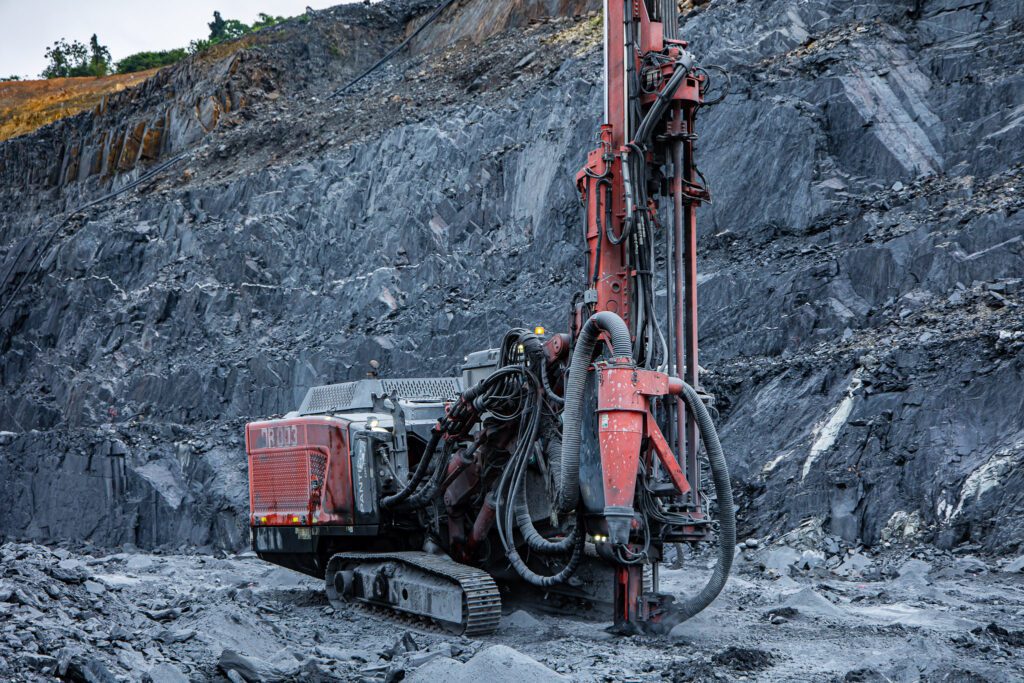
Raw resource exportation leaves domestic markets vulnerable to external commodity price shocks, limits capital retention, and offshore high-paying industrial jobs. By contrast, processing gold, bauxite, manganese, and lithium domestically creates robust local supply chains, generates higher revenue streams, and establishes an industrialized economy capable of supporting downstream manufacturing.
Mobilizing the Artisanal Sector
A central pillar of this transformational agenda involves restructuring the small-scale gold sector, which contributes significantly to Ghana’s national bullion output. Expanding the sector’s contribution requires systematically addressing structural gaps through formalisation, formal technology adoption, and structured financing mechanisms.
Integrating small-scale miners into formal banking frameworks reduces informal capital dependency and enforces environmental compliance. Implementing rigid supply chain traceability platforms reassures international investors while shielding local markets from illicit trade.
Through these targeted interventions, small-scale operations transition into legitimate commercial enterprises, creating safer working conditions and driving localized economic prosperity.
Building Sustainable Wealth Generations
Long-term socio-economic transformation hinges on cultivating enduring local ownership and deep-rooted participation within the extractive domain. To achieve true sustainability, sovereign investment vehicles must co-fund home-grown service companies, supply chains, and specialized engineering firms capable of servicing mega-mining operations regionally.
Prioritising institutional support for Ghanaian enterprise allows mineral wealth to remain within domestic financial circuits. This capital accumulation directly strengthens local infrastructure, funds local education, and catalyzes sustainable venture capital investments across secondary markets.
Mining must ultimately serve as a catalyst for overall economic development, ensuring resource extraction leaves behind thriving industries, resilient communities, and generational wealth for all Ghanaians.
READ ALSO: Ghana Set to Insure Mobile Money Deposits Under New Framework