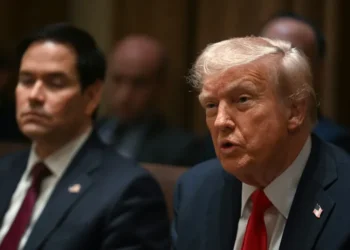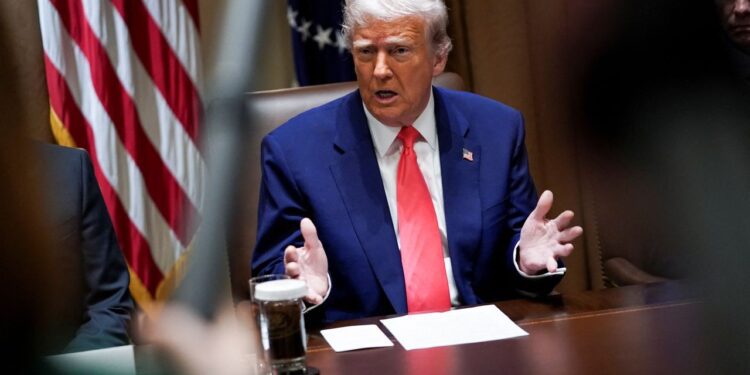
U.S. President, Donald Trump has announced plans to allow additional beef imports into the United States without triggering higher tariffs, as his administration faces continued pressure to address rising food costs and affordability concerns ahead of November’s midterm elections.
Trump said the measure would allow more foreign beef to enter the U.S. market temporarily while being sold at prices below current market rates, with the aim of reducing costs for American consumers. According to a White House official, the administration has reached an arrangement with foreign beef exporters to sell the imported product at a 25% discount, with the savings expected to be passed on to consumers.
The official, who spoke on condition of anonymity because the plan has not yet been finalised, said the imports would consist primarily of lean beef trimmings used in the production of ground beef. Trump is expected to formalise the policy through an executive order within the next two weeks.
Under the proposed arrangement, up to 300,000 metric tonnes of ground beef could be imported into the United States over a 90-day period without triggering an “out-of-quota” tariff. Trump said that the move would increase the supply of beef available to American consumers and help bring prices down at grocery stores.
Beef prices have remained a persistent concern for the administration, with the cost of meat affected by a combination of drought, a tight cattle supply and continued strong consumer demand. The U.S. cattle herd has fallen to its smallest level in decades, limiting domestic supply and contributing to higher prices.
The Trump administration has also imposed a 50% tariff on Brazil, one of the world’s major beef exporters, further complicating the country’s efforts to increase foreign supply.
Concerns Raised Over Trump’s New Measure
The announcement drew immediate criticism from some conservative lawmakers representing rural and agricultural states. Senator Tim Sheehy, a Republican from Montana and a reliable Trump ally, said in a social media post that he had advised the President against expanding beef imports.
“I’ve advised President Trump against this course of action for a year because American ranchers have been struggling against the packer monopoly for decades, and this will further harm them.”
Senator Tim Sheehy
While acknowledging that Trump was attempting to address affordability concerns, Sheehy warned that increasing foreign imports could make it harder for American ranchers to rebuild the country’s cattle herd. He argued that the policy could ultimately harm ranching families while doing little to address the underlying causes of high beef prices.
The proposal is also expected to face resistance from ranchers and agricultural groups, many of which have traditionally supported Trump politically but have opposed previous efforts to increase foreign beef imports. Last year, the administration’s push to purchase more beef from Argentina raised concerns among organisations including the National Cattlemen’s Beef Association, which warned about the potential impact on domestic producers and feedlot operators.
Ranchers argue that increased imports can create uncertainty about future cattle prices, potentially discouraging producers from investing in expanding their herds. Bill Bullard, Chief Executive of R-CALF USA, which represents independent cattle producers, said that greater reliance on foreign beef could worsen the decline in the U.S. cattle inventory. “Imports have been a major contributor to the decline in the U.S. cattle inventory,” Bullard said. He argued that increasing imports now could further discourage herd expansion and weaken domestic cattle production.
The move comes as Trump faces growing pressure to demonstrate progress on the cost of living, particularly food prices.The administration has struggled to bring down the price of beef, despite Trump’s previous efforts to target companies involved in the meat industry.
Last year, Trump directed the Justice Department to investigate foreign-owned meat packers, accusing them of contributing to higher beef prices. However, he did not provide evidence to support those claims, and an industry trade group rejected the allegation. Trump now argues that temporarily increasing beef imports will provide immediate relief to consumers while also supporting the longer-term goal of rebuilding the U.S. cattle supply
With the proposed executive order expected within weeks, the administration will face pressure to provide more details about which countries will supply the beef, how the 25% discount will be enforced and how the policy will affect American ranchers.
For now, Trump’s plan represents another effort by the administration to address affordability concerns through trade policy, but the backlash from ranchers and some Republican allies suggests the proposal could become a contentious issue in the months ahead.
READ ALSO: Xabi Alonso Downplays Fernandez’s Exit Speculations, Says He’s a Chelsea Player